Basilica of Saint Anthony : info and guided tour
Introduction to the Basilica of Saint Anthony
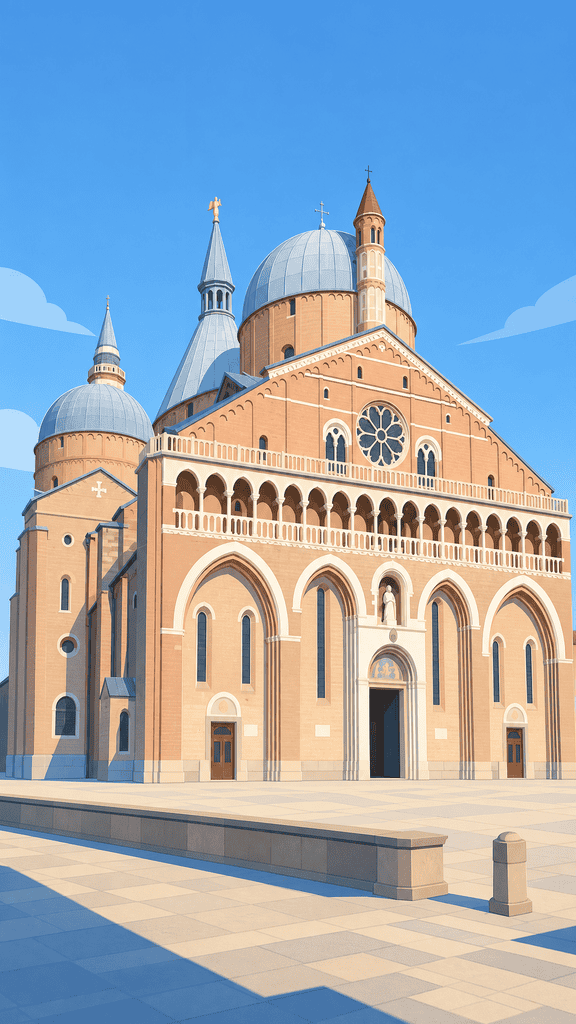
The Basilica of Saint Anthony in Padua is one of Italy’s great shrines and a major Catholic pilgrimage site. Located in Piazza del Santo, it is dedicated to Saint Anthony of Padua, whose tomb still attracts many visitors today. The building impresses with its scale and with the blend of styles that marks its long history.
Begun in the 13th century, the basilica was enlarged and transformed over time, which explains its distinctive appearance. Its silhouette evokes both Gothic architecture and Byzantine influences, with domes visible from the areas around the shrine. The whole forms a monument that is both monumental and deeply tied to local devotion.
Inside, visitors discover richly decorated chapels, works of art, and spaces dedicated to prayer. The site is particularly famous for the tomb of Saint Anthony and for the Chapel of the Relics, which are among its most emblematic features. The basilica also houses remarkable frescoes and sculptures, representative of Padua’s religious art.
The Basilica of Saint Anthony plays an essential role in Padua’s identity, where it is simply called “Il Santo.” Its religious, artistic, and cultural importance makes it much more than a monument: it is a living place, deeply rooted in the city, bringing together the faithful, art lovers, and travelers curious about its history.
Discover Padua with a private guide
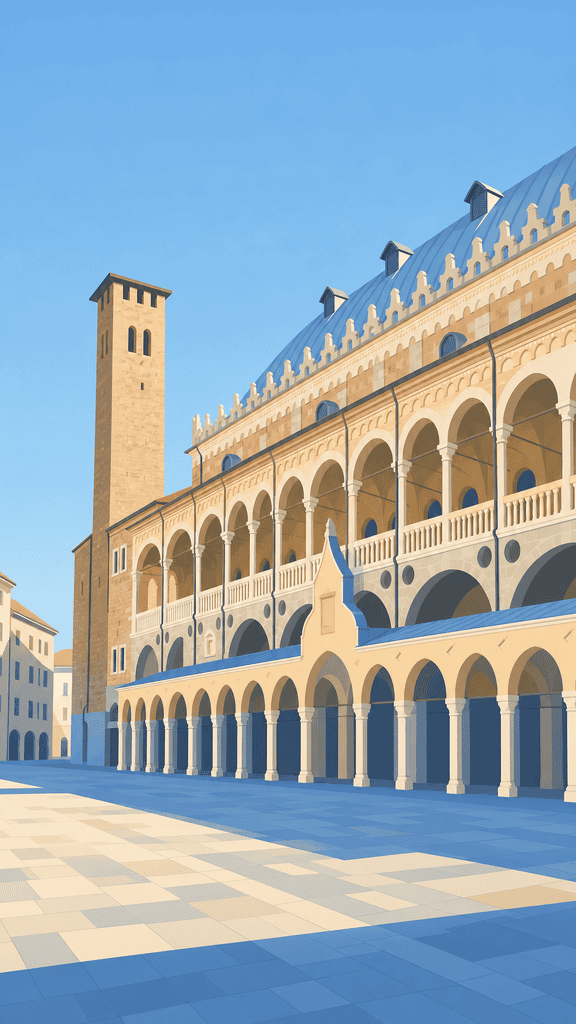
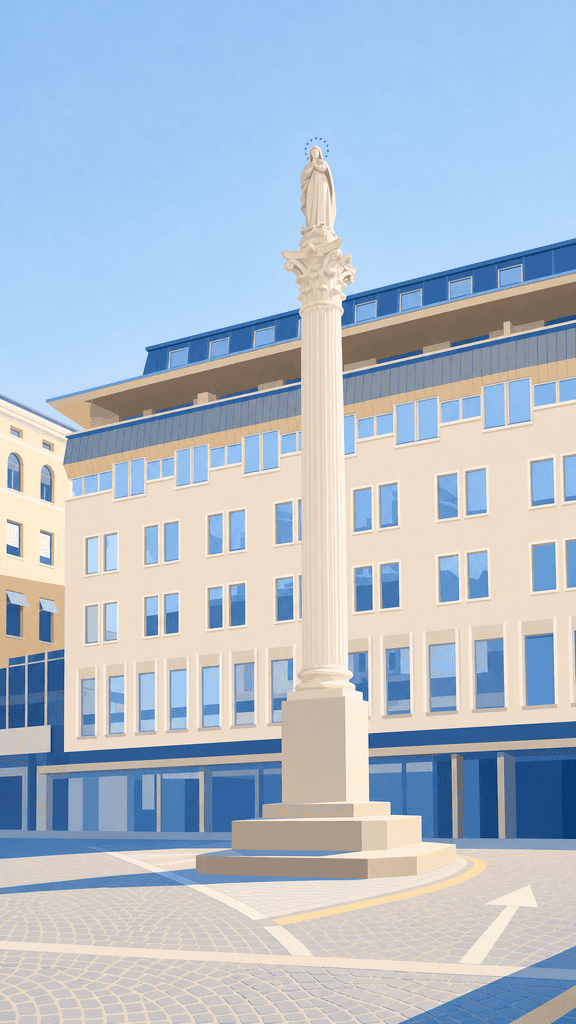
A private guide can help you better understand the basilica by putting its history, its worship spaces, and the works that made it famous into context. In Padua, this approach also makes it possible to connect the shrine to its neighborhood, its religious function, and the place it holds in the city.