Booth Museum of Natural History : info and guided tour
Introduction to Booth Museum of Natural History
The Booth Museum of Natural History is a natural history museum located in Brighton, on Dyke Road. Housed in a Victorian building, it is best known for its collections of taxidermied birds, insects, fossils, and specimens linked to British biodiversity. Together, they offer a vivid insight into the scientific curiosity of the 19th century.
The museum is associated with Edward Thomas Booth, a passionate collector and ornithologist who assembled a remarkable series of birds in naturalistic displays. This origin explains the museum’s very distinctive atmosphere, somewhere between a natural history cabinet and a research museum. Visitors can discover a dense presentation that stays true to the spirit of major natural history collections.
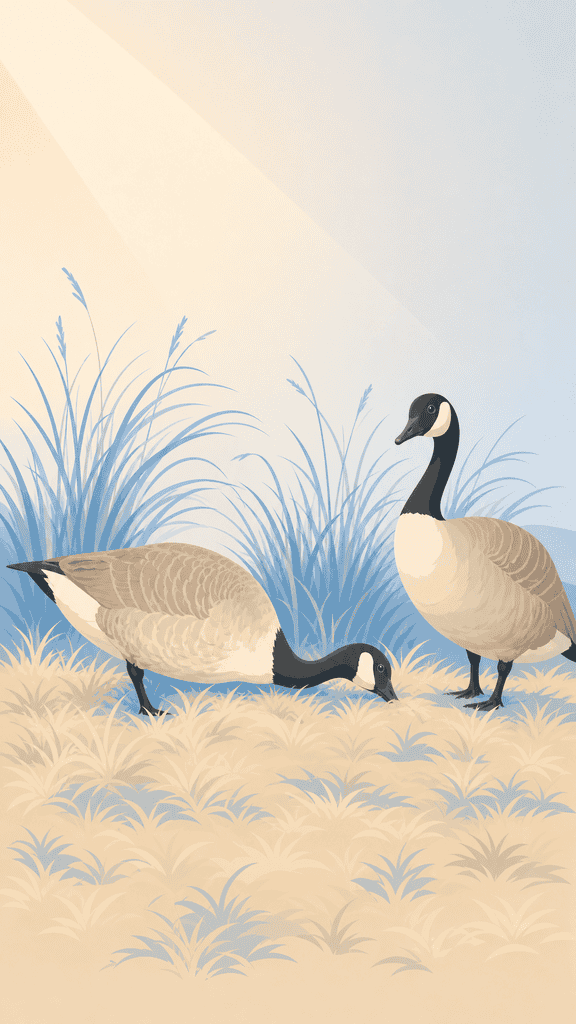
Among the museum’s most iconic features, the bird cases play a central role, with specimens displayed in evocative poses and settings. The museum also preserves natural science objects that shed light on local wildlife and historic collecting practices. This blend of scientific heritage and historical display is what made the museum famous.
Beyond its collections, Booth Museum of Natural History stands out for its singular character in Brighton, a city more often associated with the seafront and the arts. Its appeal lies as much in the richness of the exhibits as in the personality of the place, which still bears the mark of a great lover of nature and classification.
Discover Brighton with a private guide
A private guide can help you better understand the collections of the Booth Museum of Natural History by connecting the exhibits to the site’s scientific history and its place in Brighton. Guided commentary offers a more accurate perspective on the display cases, the museum’s origins, and the details that are easy to miss on a self-guided visit.