Imperial City of Hue : info and guided tour
Overview of the Imperial City of Hue
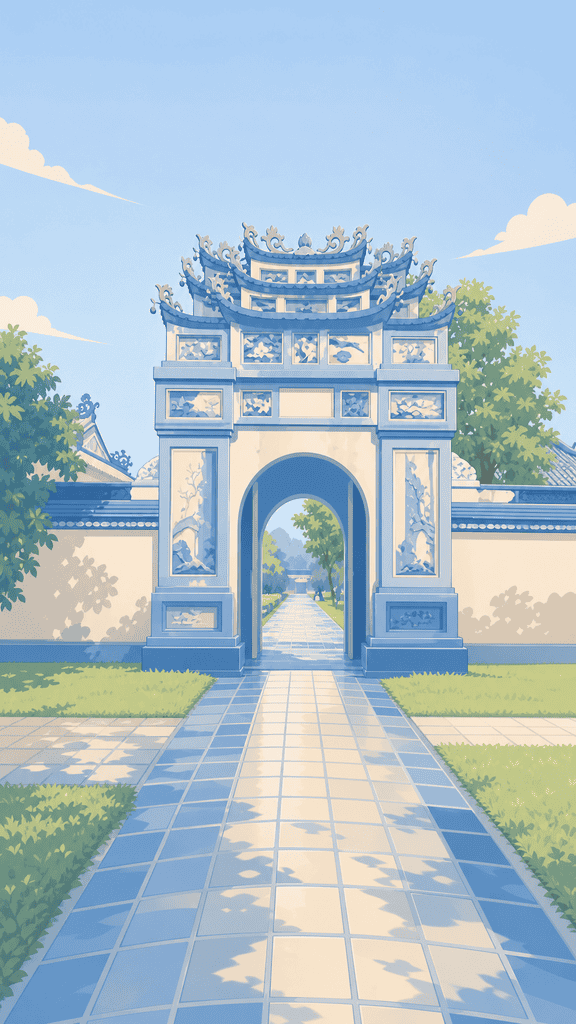
The Imperial City of Hue is the historic heart of the former Vietnamese capital, in the center of Hue. It is part of the Monumental Complex of Hue, a UNESCO World Heritage site. Behind its ramparts and monumental gates, it brings together palaces, courtyards, sanctuaries and ceremonial spaces connected to the Vietnamese imperial court.
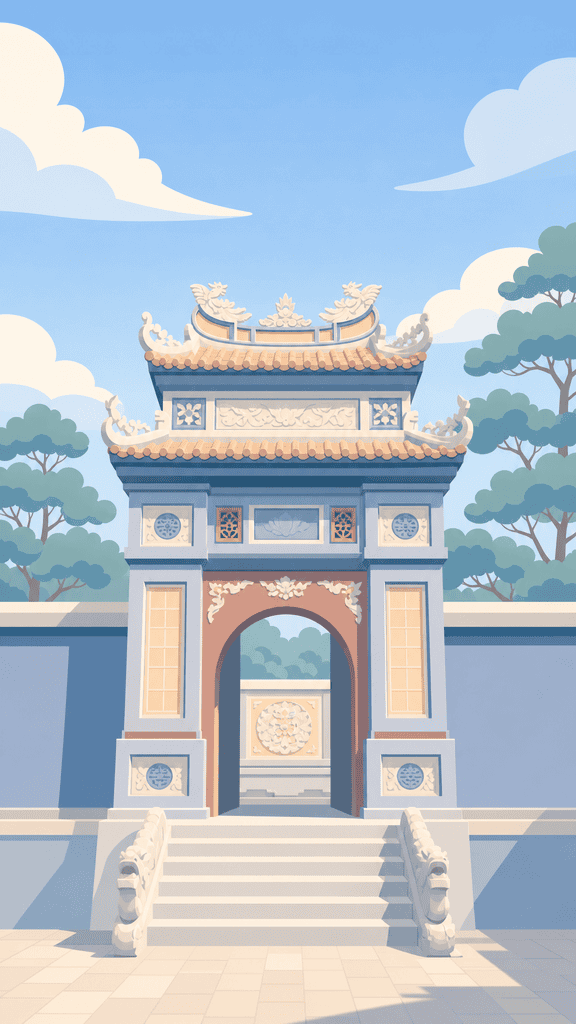
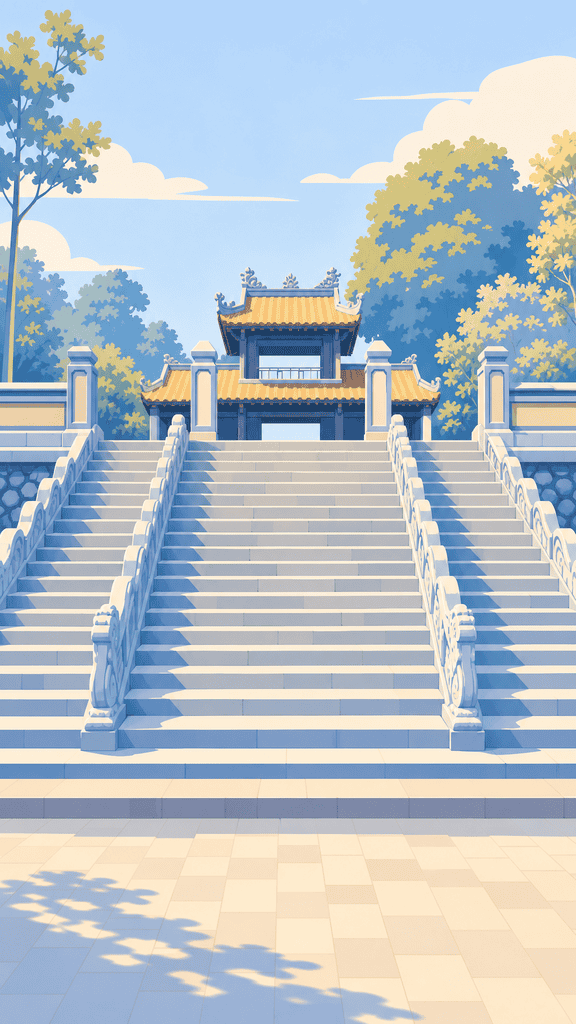
Organized according to a plan inspired by the imperial cities of East Asia, the fortress combines broad enclosures, moats and carefully arranged compositional axes. The buildings blend wooden frameworks, glazed tiled roofs and painted decoration, with strong attention to symmetry and the hierarchy of spaces. This architecture reflects royal power and court customs.
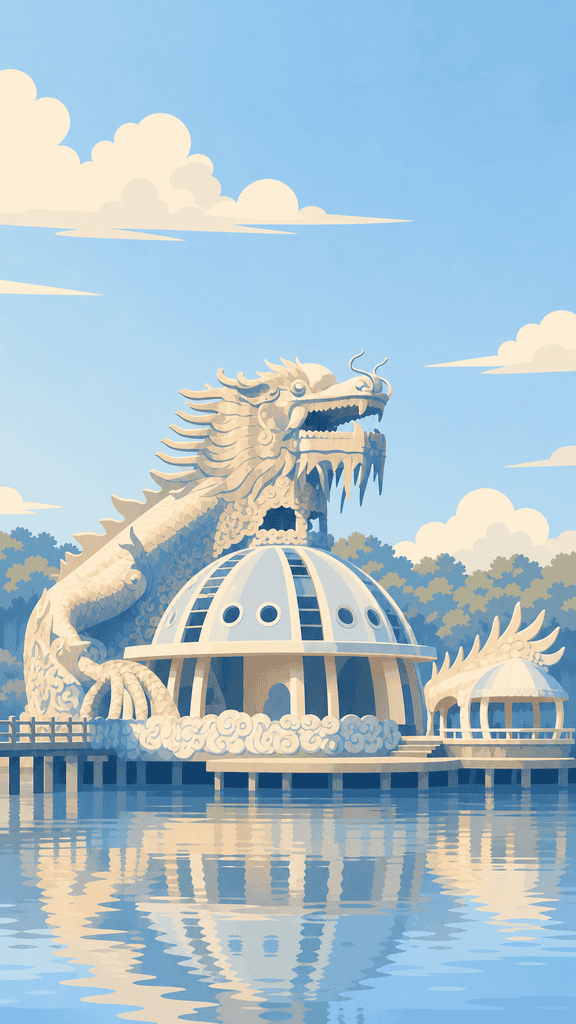
The site is best known for the Ngo Mon Gate, its massive walls, and the remains of several palaces and pavilions. Despite the damage caused by 20th-century history, visitors can still discover solemn courtyards, gardens and restored buildings that convey the scale of the former capital. The whole complex remains one of the major symbols of imperial Vietnam.
The visit also takes on an artistic dimension thanks to the decorative motifs, colorful roofs and carved details visible on many buildings. The religious, administrative and residential areas reveal court life and the central role of Hue in the country’s history. It is a place where architecture, power and memory meet in a very clear way.
Discover Huế with a private guide
A private guide can help you better understand the layout of the Imperial City of Hue, the function of its gates, palaces and ceremonial spaces. Their insight also helps place the site in the history of the former capital and makes it easier to identify the architectural and symbolic features visible during the visit.