Khajuraho Western Group of Temples : info and guided tour
Introduction to the Khajuraho Western Group of Temples
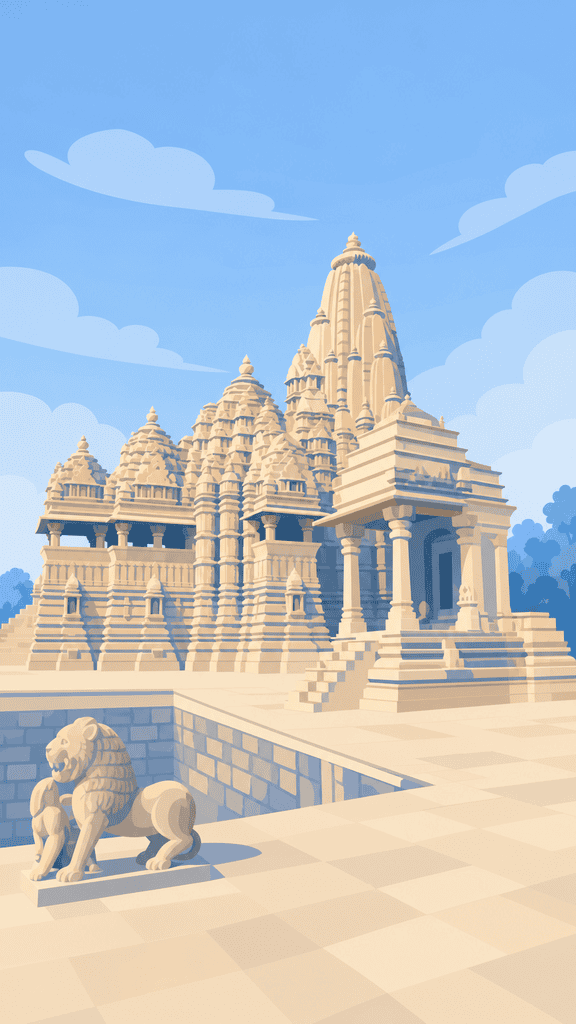
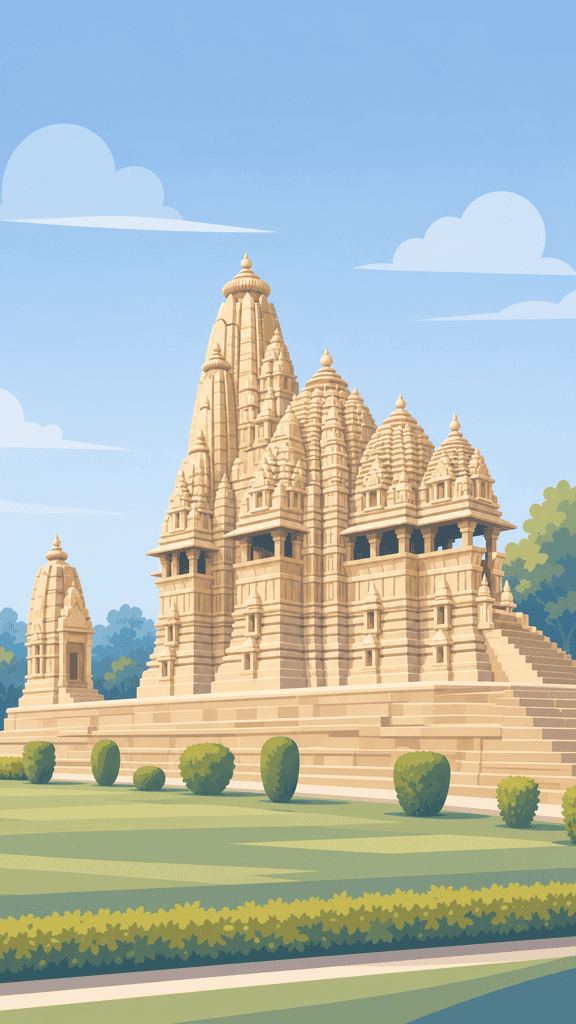
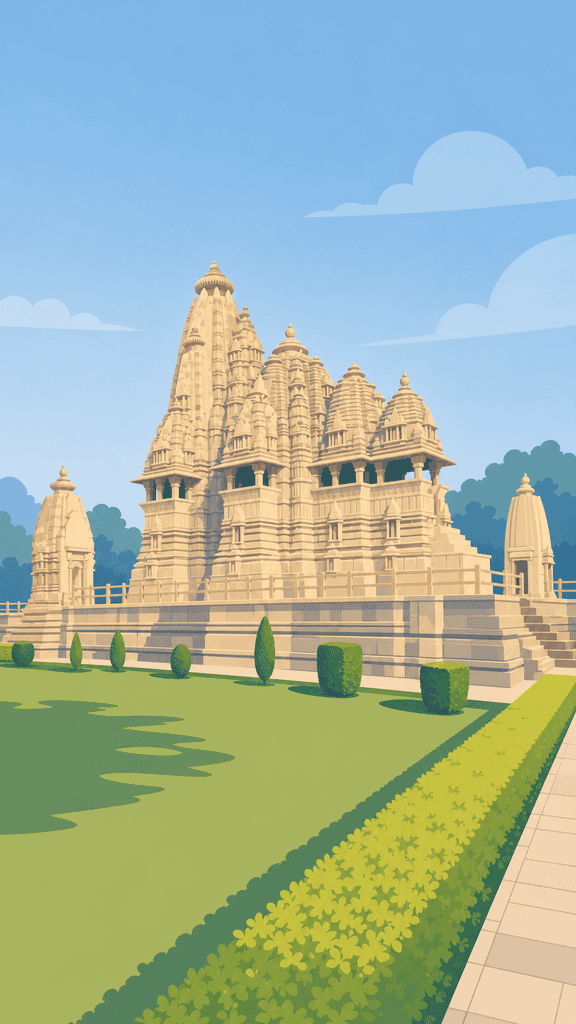
The Khajuraho Western Group of Temples refers to the main collection of Hindu and Jain temples at the site of Khajuraho, in the state of Madhya Pradesh. Located in Sevagram, it brings together the most visited monuments of the vast complex listed as a UNESCO World Heritage Site. The group is renowned for the density and finesse of its sculpted decoration.
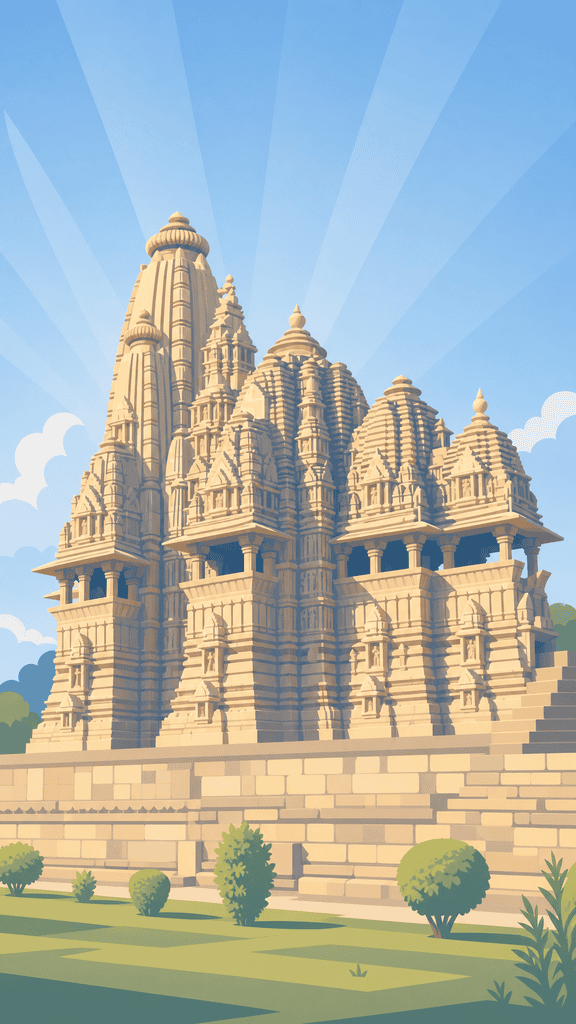
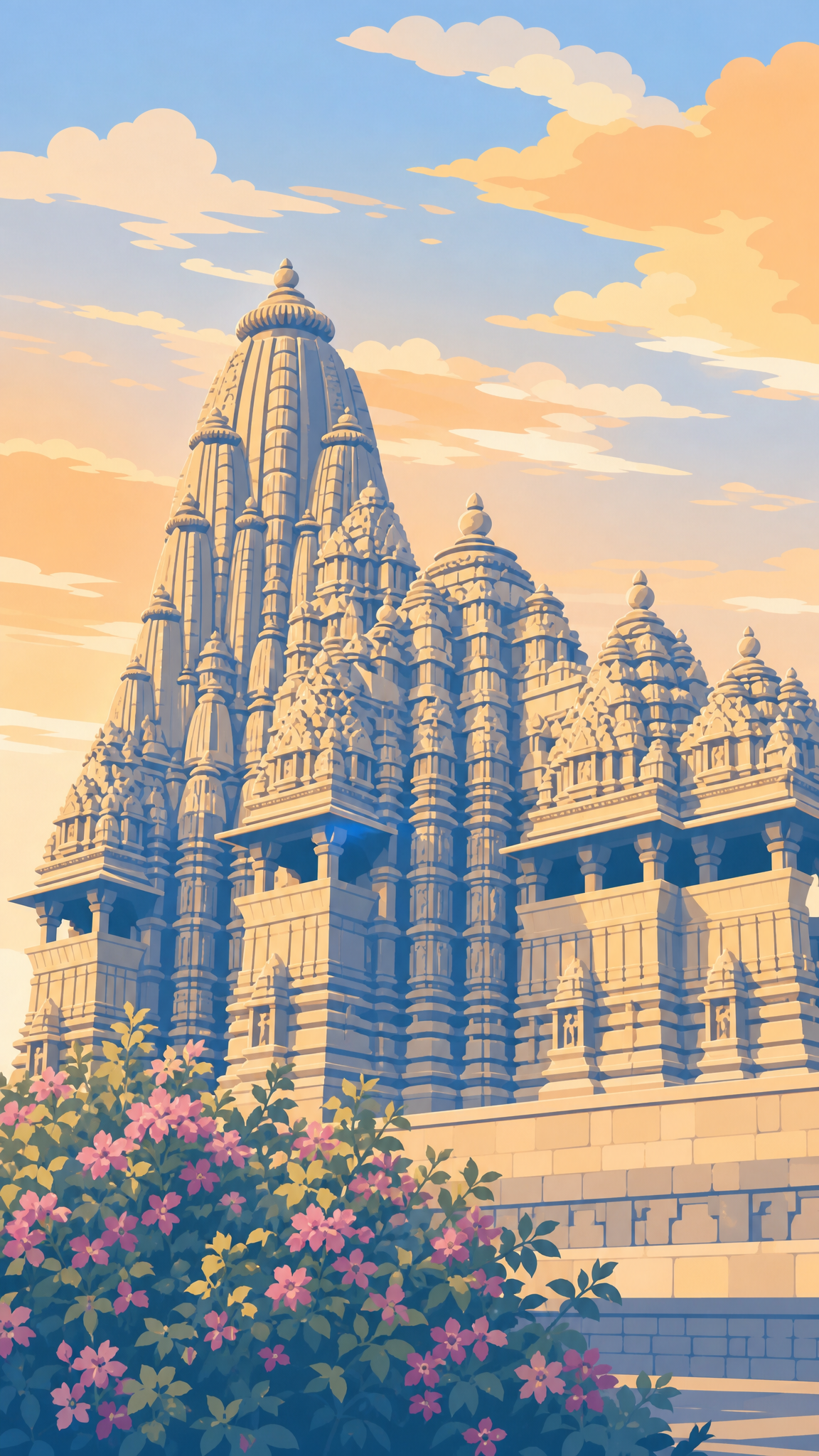
These temples were built between the 10th and 12th centuries under the Chandela dynasties, in a city that was then an important religious and artistic center. Today, the Western Group includes several emblematic shrines, among them Kandariya Mahadeva, Lakshmana, and Devi Jagadambi, each illustrating the nagara temple architecture of northern India.
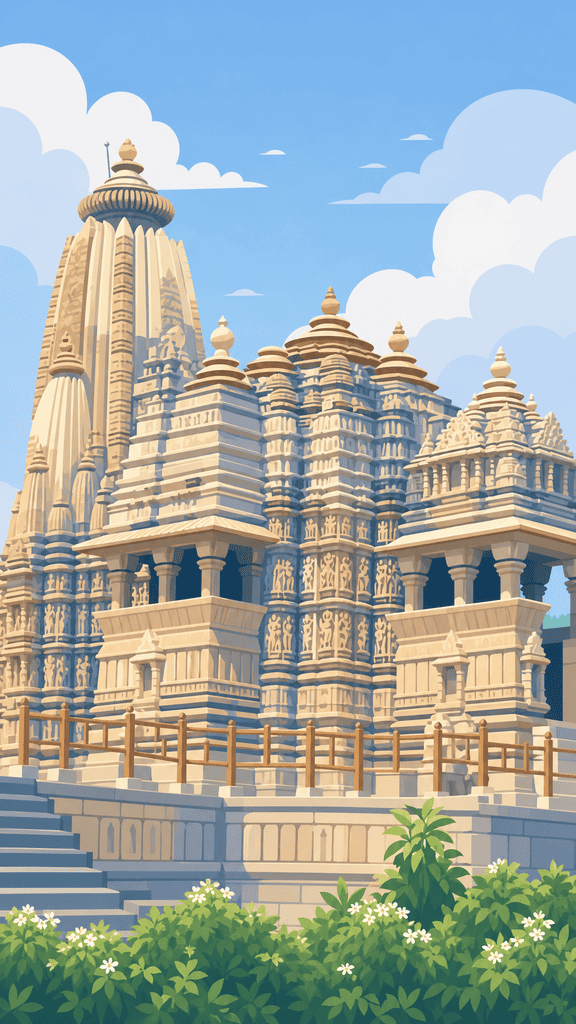
The site is famous for its soaring spires, richly articulated plans, and thousands of sandstone sculptures depicting deities, dancers, musicians, and scenes of court life. The reliefs, remarkable for their precision, are part of the reasons why Khajuraho is considered one of the most outstanding monumental ensembles in India.
The visit also makes it possible to appreciate the harmony between the shrines, mandapas, and sculpted plinths, as well as the exceptional quality of the artisans’ work. The Western Group forms the historical and artistic heart of Khajuraho and offers a direct insight into the spirituality, power, and aesthetic refinement of this era.
Discover Khajuraho with a private guide
A private guide can help you read the temples more clearly by explaining the layout of the site, the meaning of certain motifs, and the place of each shrine in the history of Khajuraho. This approach also makes it possible to place the monuments in their religious and artistic context without losing important details.