Natural History Museum of the University of Pisa : info and guided tour
Introduction to the Natural History Museum of the University of Pisa
The Natural History Museum of the University of Pisa is located in Calci, near Pisa, in the former complex of the Charterhouse of Calci. This university museum brings together collections of zoology, mineralogy, paleontology, and osteology, offering a broad overview of natural history through scientific and heritage specimens.
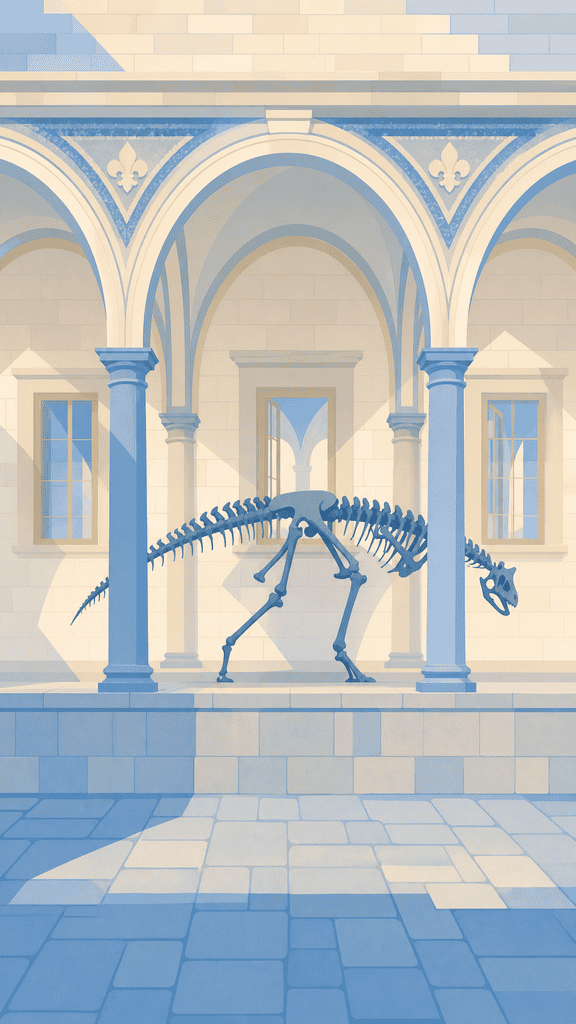
Its setting in a former Carthusian monastery gives it a distinctive architectural backdrop, combining cloistered spaces and exhibition rooms. The site retains the monumental character of the original building, while the collections occupy galleries adapted to the display of skeletons, fossils, shells, taxidermy animals, and scientific study objects.
The museum is best known for the scale of its collections and for certain spectacular displays, notably the great cetacean skeletons, which are very popular with visitors. It also helps explain the role of the University of Pisa in the study of the natural world and in the preservation of an ancient scientific heritage.
The visit highlights the meeting of science and the history of the site, in a place that combines religious architecture, university museography, and specialized collections. In Calci, this museum offers a precise and immersive discovery, both cultural and natural, just a few kilometers from the center of Pisa.
Discover Pisa with a private guide
A private guide can help you read the collections more closely, explaining the origins of the most remarkable pieces and the connection between the museum, the University of Pisa, and the Charterhouse of Calci. This support provides useful context for better understanding the layout of the site and the richness of its scientific collections.