
10 Best Things to Do and See in Grenoble
Exploring Grenoble on foot is one of the best ways to feel the city’s atmosphere, connect its landmark places and discover its neighbourhoods at a more natural pace.
In this guide, you will find the attractions not to miss when planning a walking route in Grenoble, with simple reference points.
To go further, you can also enjoy a private guided tour in Grenoble. It is a smoother way to connect places, understand details you might miss on your own and enjoy a more human, personal discovery adapted to your trip.

1. Fort de La Bastille
Overlooking Grenoble from its promontory, Fort de La Bastille offers sweeping views over the city and the surrounding mountain ranges. This fortified site is best known for its spectacular panoramas, its ramparts and its different visitor areas, which combine military heritage with an elevated walk. It is easily reached by footpaths or by cable car, making it a very popular outing. The site lets you enjoy a remarkable natural setting while getting a close look at one of Grenoble’s most iconic historic landmarks.

2. Paul Mistral Park
Paul-Mistral Park is Grenoble’s great green lung, loved for its wide lawns, shaded paths, and relaxing spaces in the heart of the city. It offers a pleasant setting for a stroll, a jog, or a picnic, with playgrounds and sports facilities that make it a lively, family-friendly place. The park also offers lovely views of the urban landscape and the surrounding mountains, along with a peaceful atmosphere that is perfect for spending time outdoors.
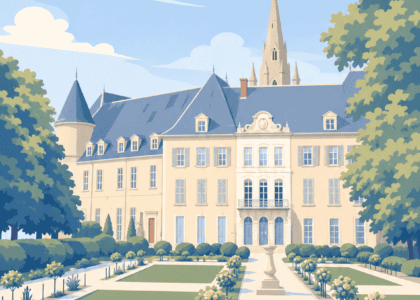
3. City Garden
Le Jardin de Ville, in the heart of Grenoble, is a pleasant green space for strolling and relaxing, appreciated for its shaded setting and central location. Visitors will find wide paths, lawns, flower beds, and trees that offer a true moment of peace in the city. It is also a lively place where people come to walk, sit, or enjoy a quiet break close to the shops and monuments of the city center. Easy to reach, it is a pleasant stop for discovering Grenoble in a different way.

4. Musée de Grenoble
The Museum of Grenoble is one of France’s major art museums, valued for the richness and diversity of its collections. Visitors can explore a wide journey from Antiquity to modern and contemporary art, with paintings, sculptures and graphic works displayed in bright spaces. The museum highlights major names in art history while also giving an important place to modern artists. A visit offers a wonderful cultural immersion in the heart of Grenoble, with masterpieces, new discoveries and a dialogue between different eras.
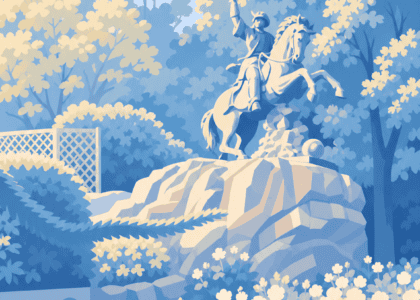
5. Dolphins Garden
The Jardin des Dauphins is a lush green space in Grenoble, where visitors can enjoy a pleasant terraced layout, shaded paths, and lovely views over the city and the surrounding mountains. This garden invites you to take a stroll in a peaceful setting, with carefully maintained greenery, places to rest, and a relaxing atmosphere. Set on the hills above the city, it offers a beautiful glimpse of the Grenoble landscape and is a popular stop for enjoying a quiet moment in nature while staying close to the city center.
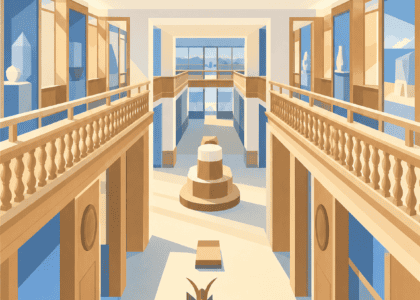
6. Grenoble Museum of Natural History
The Museum of Grenoble is a natural history museum where visitors can discover the richness of the living world and Earth sciences. Its collections feature specimens of fauna, flora, minerals, and fossils, offering an accessible insight into biodiversity and the evolution of species. The museum also explores natural environments and their balance through exhibition spaces designed to spark curiosity in both children and adults. An interesting visit to understand nature from a different perspective, in the heart of Grenoble.

7. Grenoble-Bastille Cable Car
The Grenoble-Bastille cable car, often nicknamed Grenoble’s “bubbles,” connects the city center to the Bastille hill and offers remarkable panoramic views over the city and the surrounding mountain ranges. As you ride in its glass cabins, the urban landscape gradually unfolds, with the rooftops of Grenoble, the Isère River, and the mountains surrounding the valley. At the top, the Bastille offers scenic viewpoints, walking trails, and relaxing areas in an iconic setting much loved by visitors.
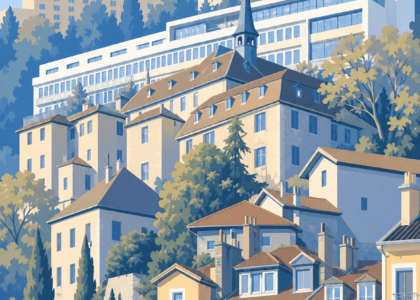
8. Dauphinois Museum
Perched on the heights of Grenoble, the Musée dauphinois offers a lively introduction to the history and cultures of the Alps. Set in a former convent, it features a range of exhibitions on local traditions, ways of life, crafts, migrations and mountain landscapes. Visitors can explore ethnographic collections, everyday objects and thematic trails that shed light on life in Dauphiné and across the Alpine arc. The site is also appealing for its peaceful setting and views over the city.
9. Saint-Laurent Archaeological Museum
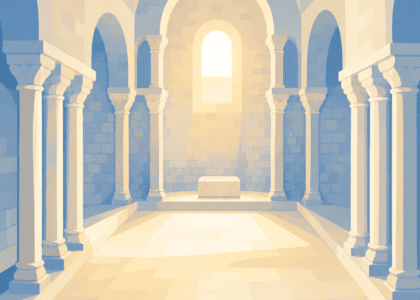
Located in Grenoble’s historic district, the Saint-Laurent Archaeological Museum invites visitors to discover an exceptional site where you can explore the remains of successive periods preserved beneath Saint-Laurent Church. The route highlights a variety of archaeological traces, from ancient structures to burials and everyday objects, bearing witness to the site’s evolution over the centuries. Both educational and immersive, the visit offers a better understanding of Grenoble’s religious and urban history in a remarkable setting.
10. France Gate
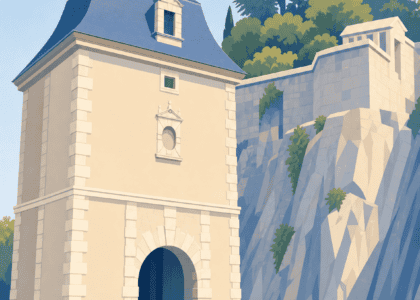
The Porte de France is an iconic historic landmark in Grenoble, located at the western entrance to the city, near the Isère River. This city gate recalls the former system of defense and access control in Grenoble, while now standing within a lively urban setting. When visiting it, you discover a heritage landmark tied to the city’s history, blending architecture, the memory of the old ramparts, and an opening toward nearby neighborhoods. It is an interesting place to better understand how Grenoble has evolved over time.

Antony M
During my travels, I looked for guides who spoke my language. This search turned out to be long and tedious. That is why I created MYTOGU (My Tourist Guide): a matching site between tourists and professional tourist guides.
