
11 Best Things to Do and See in Larissa
Exploring Larissa on foot is one of the best ways to feel the city’s atmosphere, connect its landmark places and discover its neighbourhoods at a more natural pace.
In this guide, you will find the attractions not to miss when planning a walking route in Larissa, with simple reference points.
To go further, you can also enjoy a private guided tour in Larissa. It is a smoother way to connect places, understand details you might miss on your own and enjoy a more human, personal discovery adapted to your trip.

1. Alcazar Park
Alcazar Park is a pleasant city park in Larissa, ideal for taking a break in the heart of the city. Visitors can enjoy wide shaded paths, lawns perfect for relaxing, walking areas, and a peaceful atmosphere loved by locals and travelers alike. It is a simple, green place, perfect for strolling, sitting for a while, or enjoying a natural setting right in the city center. The park also offers a great glimpse of local daily life, with leisure, calm, and a friendly atmosphere.

2. Municipal Art Gallery of Larissa G.I. Katsigras Museum
The Municipal Art Gallery of Larissa G.I. Katsigras Museum is a must-see art museum for discovering Larissa’s artistic scene in Greece. Its varied collections of paintings, drawings, and other visual works highlight modern and contemporary Greek art, as well as creations by artists linked to the region. The museum offers a calm, cultural visit, ideal for understanding the city’s artistic identity. Its exhibition rooms present a carefully curated collection, appreciated by art lovers and curious visitors alike.

3. Park of Wishes
Park of Wishes in Larissa, Greece, is a theme park designed for walks, leisure and family time. Visitors can enjoy landscaped areas, pleasant paths, play zones and facilities that create a friendly, playful atmosphere. Depending on the season, the site may also host entertainment and activities for all ages. It is a popular stop for enjoying an open, accessible and entertaining setting in the heart of the city.
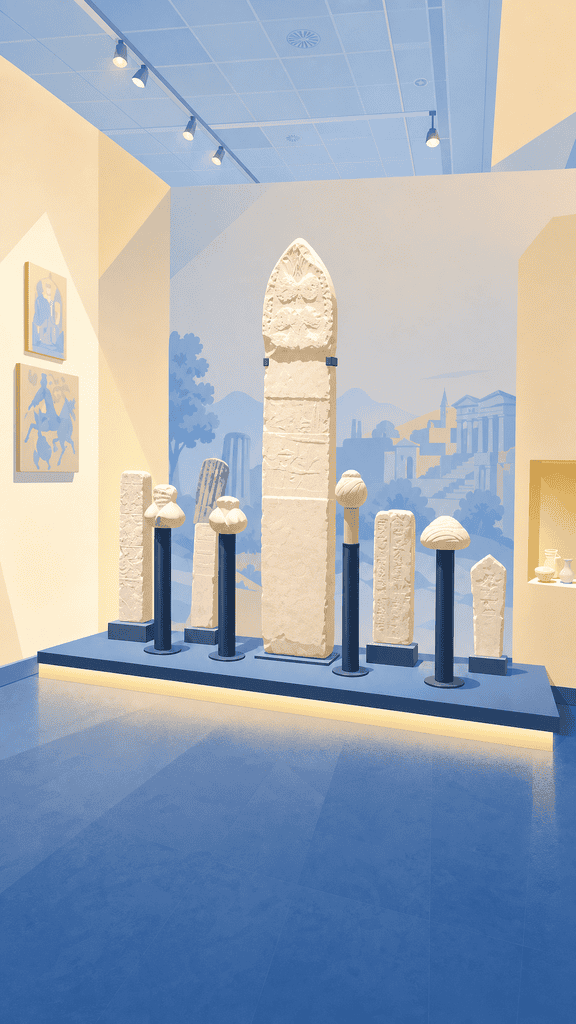
4. Diachronic Museum of Larissa
The Diachronic Museum of Larissa is a modern archaeological museum that traces the region’s history through collections spanning multiple periods, from prehistory to the Byzantine era. Visitors can discover everyday objects, ceramics, sculptures, jewelry, and artifacts unearthed in Thessaly, offering a clear insight into the life, beliefs, and skills of ancient societies. Its carefully designed display makes the evolution of Larissa and its territory accessible and engaging.
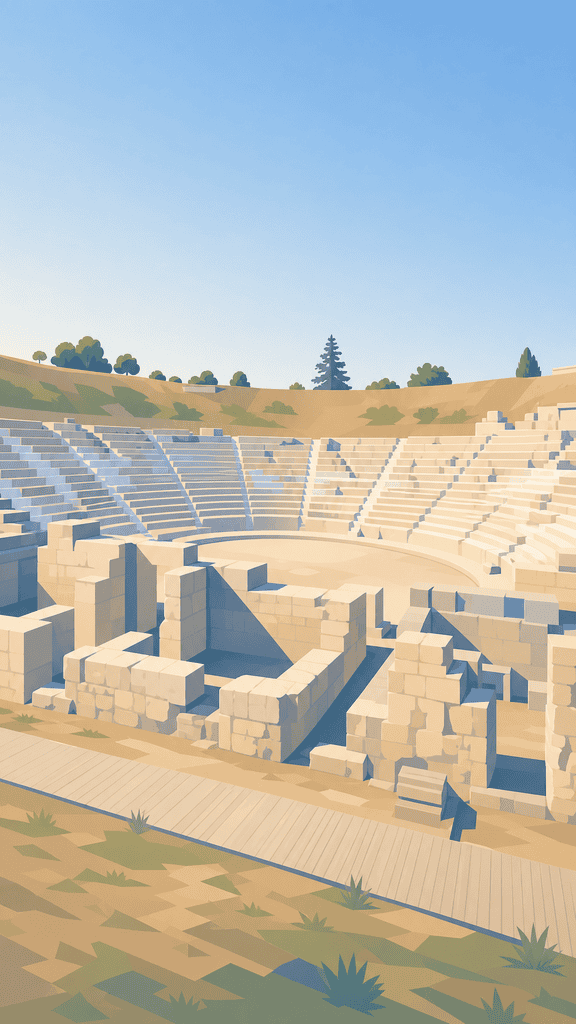
5. Ancient Theatre of Larissa
The Ancient Theatre of Larissa, in the heart of the Greek city of Larissa, is a remarkable archaeological site that bears witness to the region’s ancient past. A visit reveals the remains of a large stone theatre, with partially preserved seating and the typical layout of performance spaces from the Greek era. The site offers a glimpse into the public and cultural life of the ancient city, while providing valuable insight into ancient architecture. It is a must-see stop for history and heritage lovers.
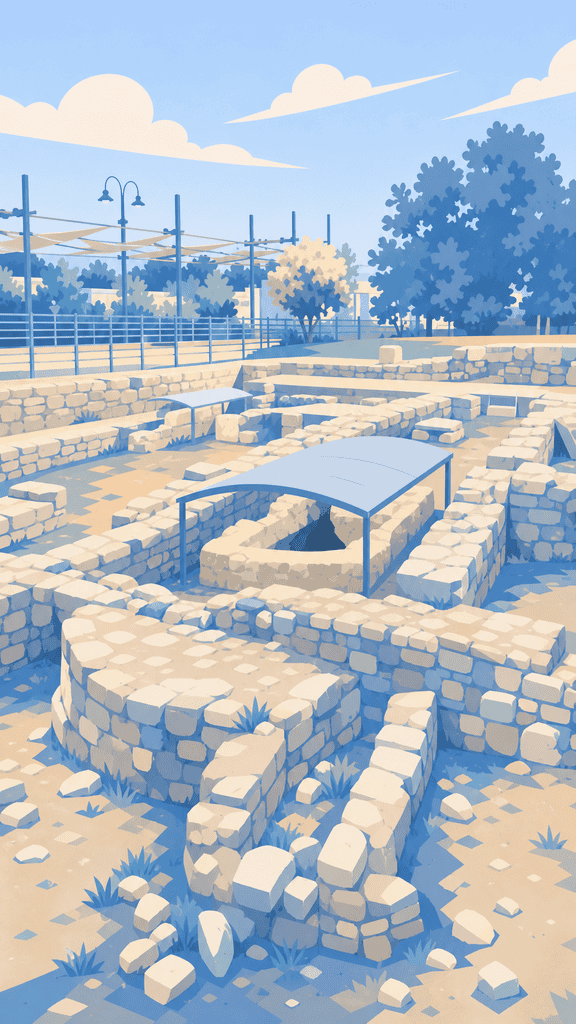
6. Larissa Ancient Ruins
The ancient ruins of Larissa offer a vivid glimpse into the past of this Greek city, with remains of its former occupation and centuries of urban development. As you explore the site, you’ll discover archaeological traces that reveal the layout of an ancient settlement, set within a landscape where history blends with the modern city of Larisa. This place will especially appeal to visitors interested in heritage, archaeology, and historic atmosphere, as it evokes daily life and the city’s former importance in the region.

7. Folklore Museum of Larissa
The Folklore Museum of Larissa showcases the region's popular heritage through everyday objects, traditional costumes, craft tools, and items linked to old local customs. This museum offers a vivid look at rural and urban life in the past, highlighting craftsmanship, domestic traditions, and practices passed down from generation to generation. It is an engaging visit for anyone who wants to better understand the cultural identity of Larissa and its region in a simple, authentic, and insightful setting.

8. National Resistance Museum
In Larissa, the National Resistance Museum invites visitors to explore the memory of Greek resistance through its collections and the historical context around it. This history museum usually displays documents, photographs, objects and testimonies that help explain everyday life, acts of commitment and the challenges faced during this period. The visit offers a sober and informative look at an important part of local and national history, in a setting that encourages reflection and remembrance.

9. Antiquities Ephorate of Larissa
The Antiquities Ephorate of Larissa is a public archaeological service responsible for protecting, studying and preserving the ancient heritage of the Larissa region in Thessaly. It offers a behind-the-scenes look at the work of archaeologists and restorers who safeguard remains, discovered objects and local collections. Rather than a classic museum, this place helps visitors understand how traces of the past are preserved and how research is organized around the city’s archaeological sites and nearby areas.

10. Hippocrates Monument
The Hippocrates Monument in Larissa is a quiet memorial that appeals to visitors interested in history and Greek culture. Set in a public space in the city, it honors a figure linked to the medical heritage of ancient Greece. A visit offers a simple spot for a short break and a few photos, while also giving a glimpse of Larissa's local heritage. It is a popular point of interest for its symbolic meaning and for the connection it creates between the city and Greek intellectual history.
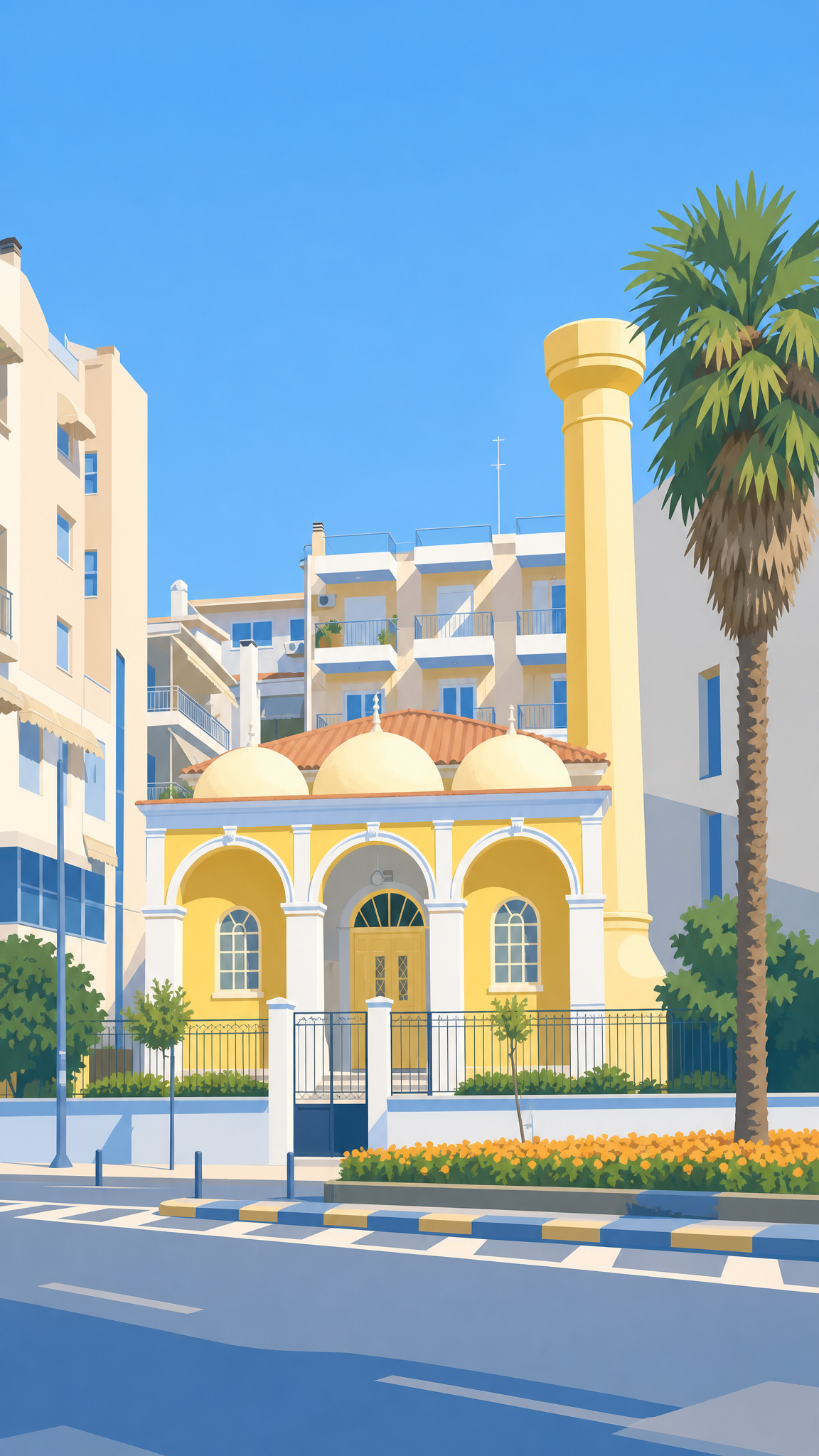
11. Yeni Mosque Larissa
The Yeni Mosque in Larissa offers a direct look at a historic legacy still visible in the Greek city. Visiting this site reveals an old Muslim place of worship set within the modern urban landscape, with simple architecture and strong heritage value. The visit helps explain the many influences that shaped Larissa, especially during the Ottoman period, and highlights the monument’s place in the memory of the city center. It is a discreet but essential landmark for anyone interested in local history and traces of the past in public space.

Antony M
During my travels, I looked for guides who spoke my language. This search turned out to be long and tedious. That is why I created MYTOGU (My Tourist Guide): a matching site between tourists and professional tourist guides.
