
15 Best Things to Do and See in Lübeck
Exploring Lübeck on foot is one of the best ways to feel the city’s atmosphere, connect its landmark places and discover its neighbourhoods at a more natural pace.
In this guide, you will find the attractions not to miss when planning a walking route in Lübeck, with simple reference points.
To go further, you can also enjoy a private guided tour in Lübeck. It is a smoother way to connect places, understand details you might miss on your own and enjoy a more human, personal discovery adapted to your trip.
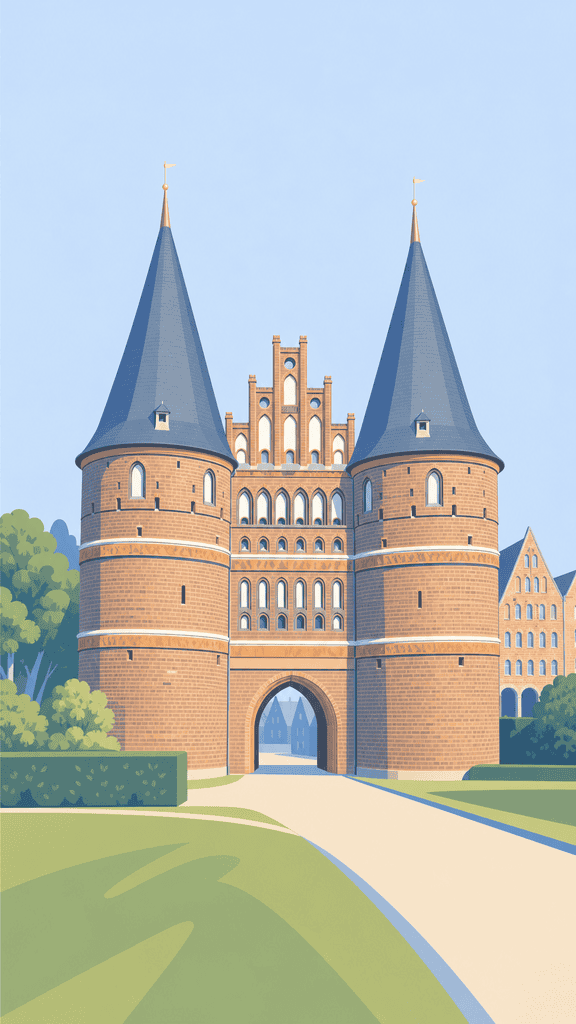
1. Holstentor
The Holstentor in Lübeck, Germany, is one of the city’s most iconic landmarks and a must-see for discovering its medieval heritage. This red brick fortified gate stands out for its two round towers and imposing architecture, typical of the Hanseatic old town. Inside, visitors can learn more about Lübeck’s urban history and the defensive role of the site, which also serves as a museum today. From the surrounding area, you can enjoy a beautiful view of the old walls and the historic center.

2. Holstentor Square
Holstentor Square, in Lübeck, offers a beautiful glimpse of the old town’s heritage, with the famous Holstentor Gate, the city’s symbol, as its landmark. Here you will find an open space blending historic architecture, urban views, and pleasant walking areas, where you can admire the ramparts, traditional façades, and the lively atmosphere of the historic center. It is an ideal place to start a visit, take photos, and experience Lübeck’s medieval atmosphere in a setting that is both cultural and green.

3. European Hanseatic Museum
The European Hansemuseum in Lübeck is a museum dedicated to the history of the Hanseatic League and the major role this merchant league played in trade across northern Europe. Through modern, immersive exhibition spaces, visitors can discover trade routes, the life of Hanseatic cities, exchanges between merchants, and the influence of this alliance on urban and maritime development. The exhibition highlights artifacts, documents, and reconstructions to help visitors better understand the economic and cultural world of the Middle Ages and the early modern period.
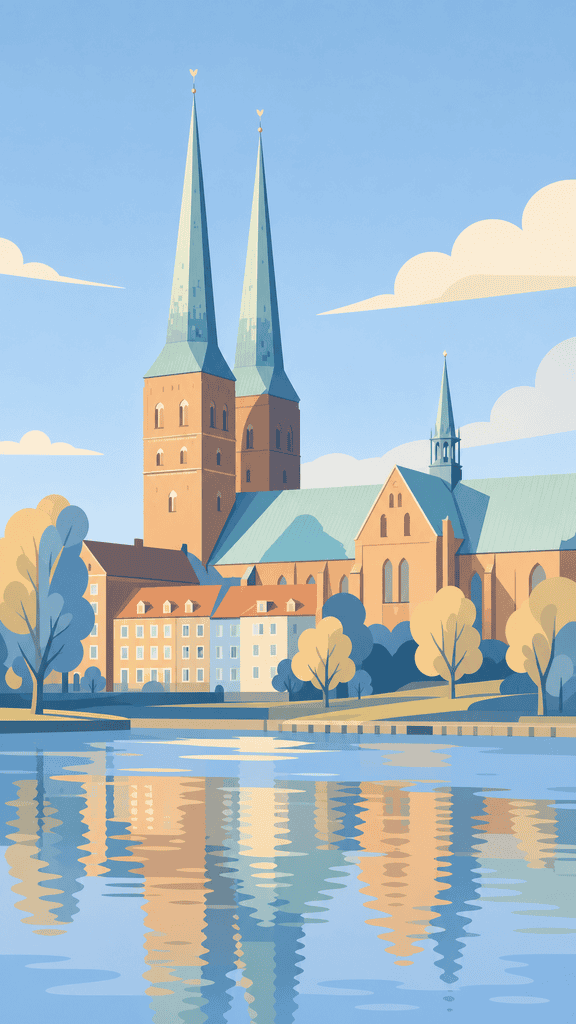
4. Lübeck Cathedral
Lübeck Cathedral is one of the main landmarks in the historic center of Lübeck, Germany. This vast Evangelical church impresses with its brick Gothic architecture, soaring naves and peaceful atmosphere. A visit reveals a bright interior, precious decorative details and a place of worship that reflects Lübeck’s religious past. It is also a popular cultural site, ideal for admiring the city’s architectural heritage and taking a break in the heart of the old medieval quarter.

5. Hospice of the Holy Spirit
The Hospice of the Holy Spirit in Lübeck is one of the city’s most evocative historic sites. This vast medieval complex lets visitors discover a former charitable institution, with its sober halls, communal living spaces and typical northern German brick architecture. As you explore it, you step into the atmosphere of a place once devoted to hospitality and care, now valued for its insight into Lübeck’s social and religious past. It is a calm and rewarding visit in the heart of the old town.

6. Old Port Gothmund
Old Port Gothmund in Lübeck is a small marina with a peaceful charm, known for its maritime atmosphere and waterside views. Visitors can enjoy piers, moored boats and a quiet setting that invites leisurely walks and relaxation. Located in a calm environment, it offers a pleasant glimpse of the local coastline and makes for a picturesque stop for travelers seeking an authentic place away from the busy city center. It is ideal for walks, photos and admiring the harbor scenery.
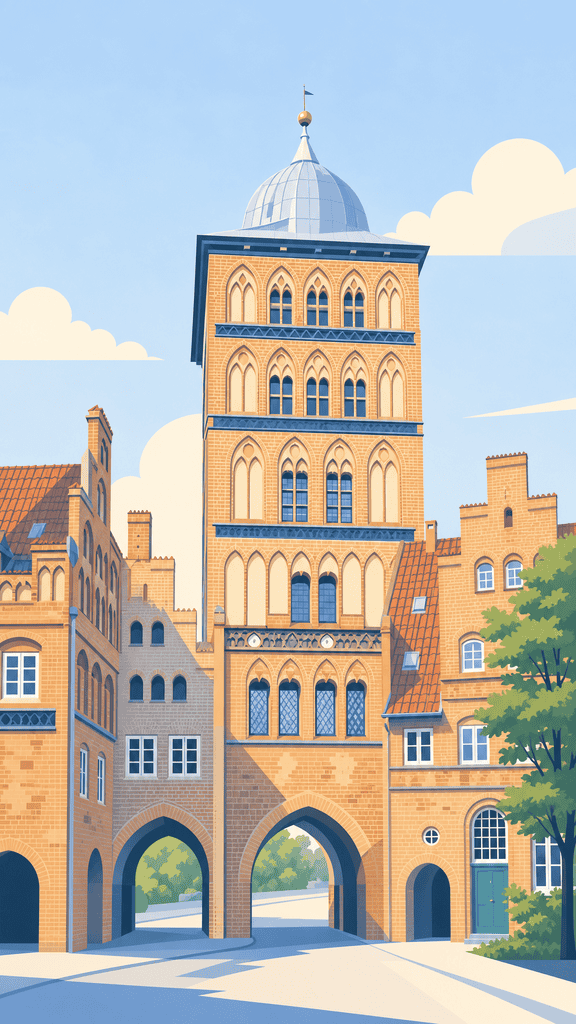
7. Burgtor in Lübeck
The Burgtor of Lübeck is an iconic historic gate marking the northern entrance to the old town. As you discover it, you can admire a brick monument typical of the region’s medieval architecture, set within Lübeck’s UNESCO-listed urban landscape. It recalls the city’s defensive and commercial past as an old Hanseatic town, while also offering an easy-to-recognize landmark during a walk. Located close to the historic center, it lets visitors appreciate the link between the former fortifications and the city today, in an atmosphere that is both heritage-rich and lively.

8. Willy Brandt House
Willy Brandt House in Lübeck is a museum dedicated to the life and work of the former German Chancellor and Nobel Peace Prize laureate. This memorial museum features exhibits on his personal journey, political commitment and the history of 20th-century Germany. Visitors can explore documents, objects and multimedia displays that help explain his role in modern history. The visit also offers a glimpse of Lübeck’s historic center in an accessible and informative cultural setting.

9. Buddenbrookhaus
In Lübeck, Buddenbrookhaus is a literary museum dedicated to the world of the Mann family and the novel Buddenbrooks, which made the city famous. Set in a historic house in the city center, it offers insight into the work, life and cultural context of one of the great names in German literature. The route features documents, objects, exhibitions and reading spaces that highlight Lübeck’s rich literary heritage. It is a visit appreciated by literature lovers and anyone interested in urban history.
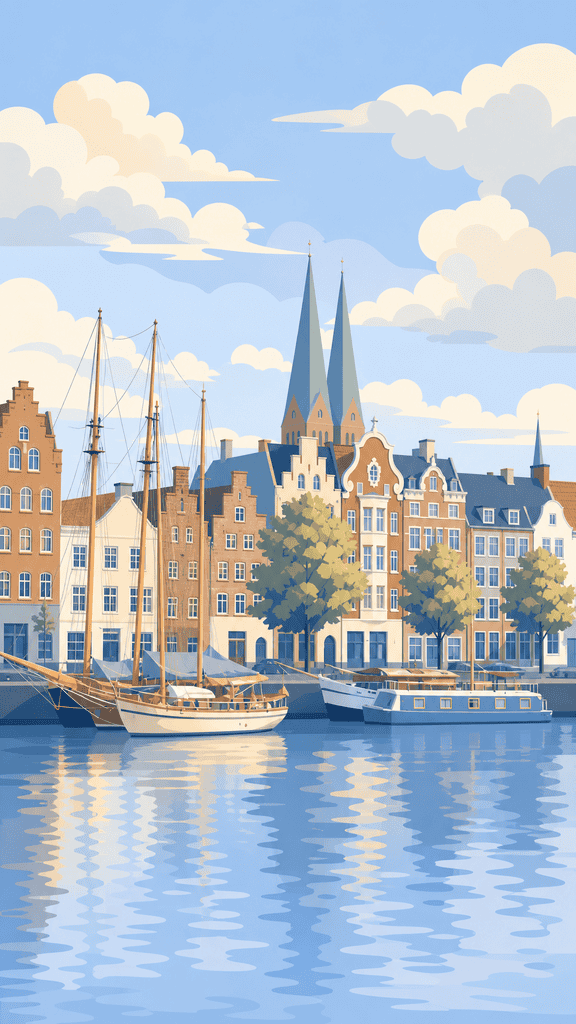
10. Lubeck Harbour Museum
The Lubeck Harbour Museum offers an immersive look into the city’s maritime heritage, in the heart of an open-air historic site. Explore installations linked to river and port trade, and discover how Lubeck played a key role in Baltic Sea exchanges. Visitors can view equipment, boats and technical objects that tell the story of the harbour and the people who worked there. It is a rewarding stop for understanding Lubeck’s economic and maritime history in an authentic setting.
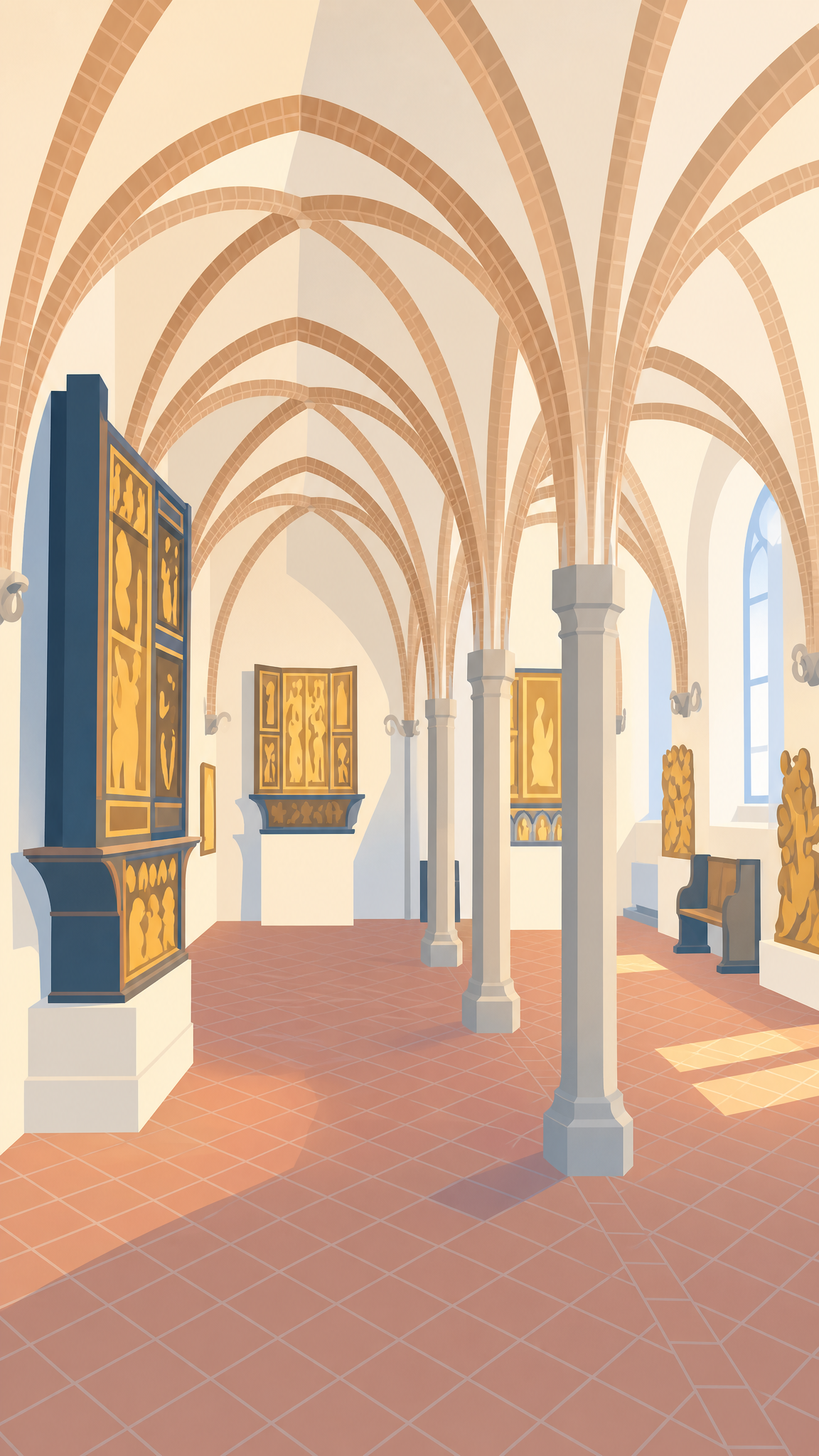
11. Kunsthalle St. Annen
Kunsthalle St. Annen lets visitors discover a museum in the heart of Lübeck, in a setting tied to the city’s artistic and urban history. Here, you’ll find a space dedicated to art, designed to showcase collections and their context. Its appeal lies as much in what is displayed as in its location in an old district, where Lübeck’s heritage is still very much present. The museum offers a cultural reading of the city, between memory, architecture and creativity.
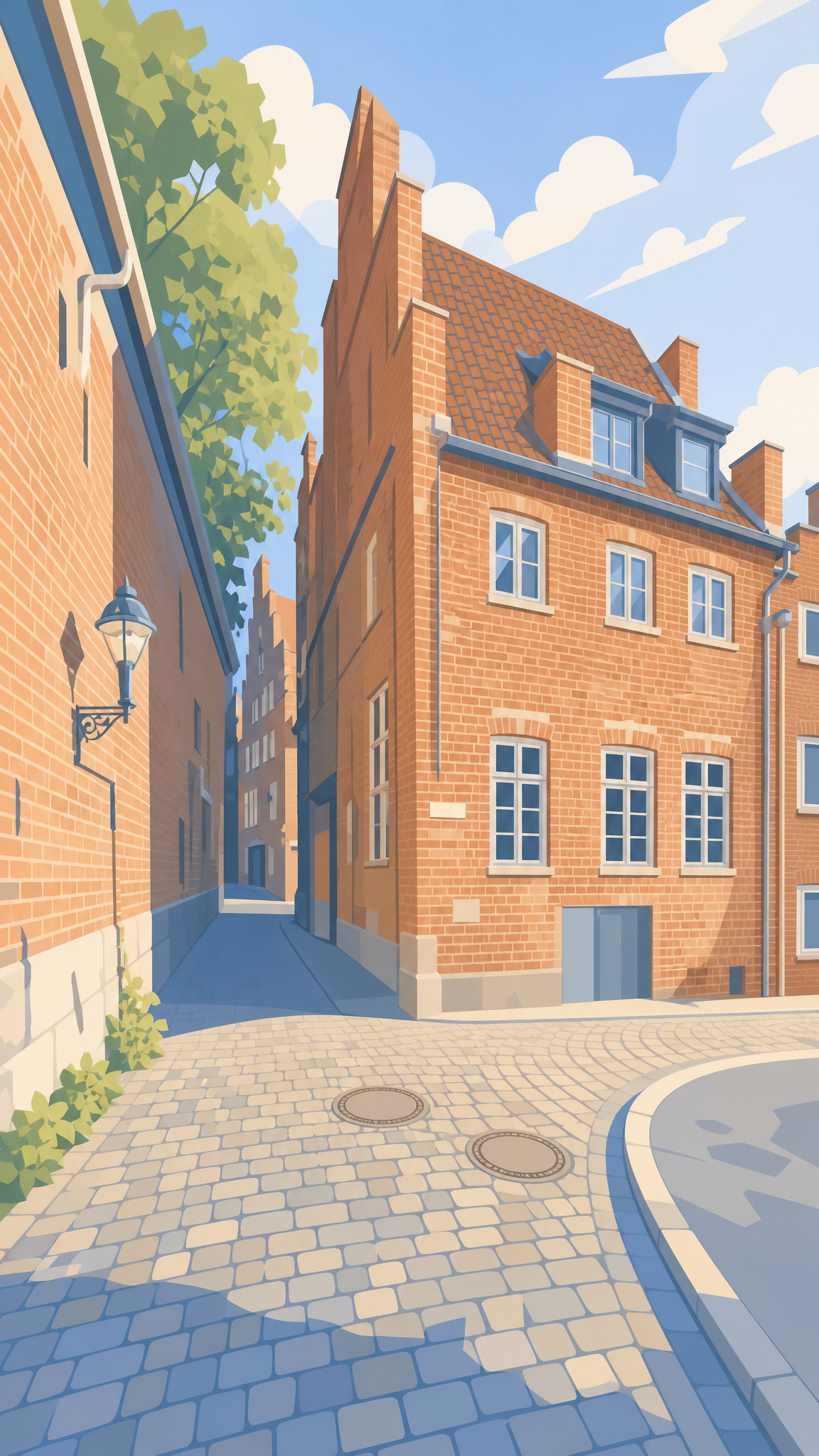
12. Theater Figuren Museum Lübeck
Theaterfigurenmuseum Lübeck offers a journey into puppet theatre and, more broadly, stage figures as both art and performance. Its galleries feature puppets, characters, and stage elements that reveal the care behind their creation and movement. Combining exhibition and stage, the museum provides a concrete look at this creative world. Located in Lübeck's old town, it adds a heritage dimension to this immersion in figurative theatre.
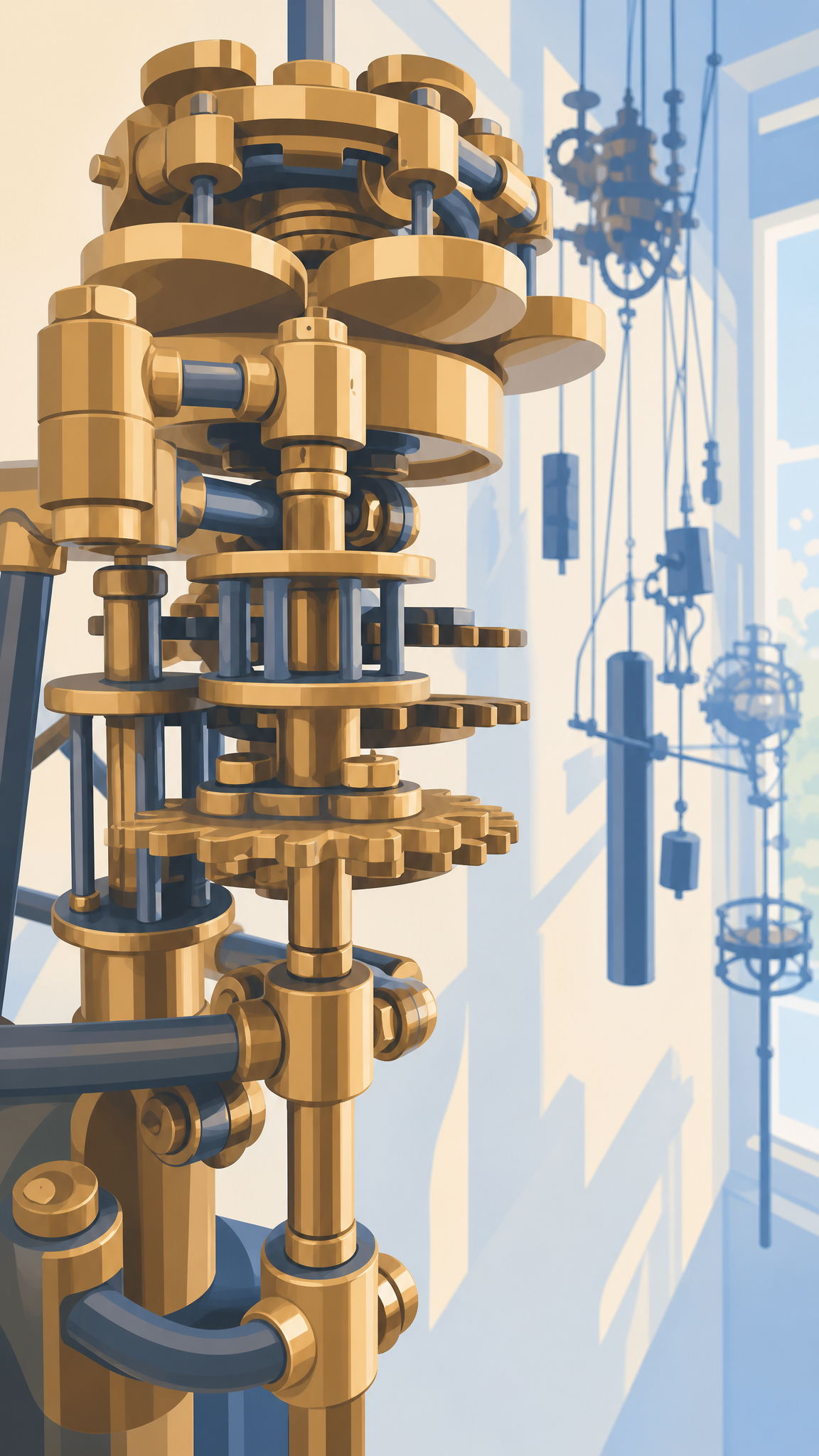
13. Ganghaus Museum for Magical Mechanics
The Ganghaus-Museum für magische Mechanik offers a visit at the crossroads of modern art and mechanical imagination. In this Lübeck museum, attention is drawn as much to the atmosphere of the place as to the forms, assemblages, and devices that suggest movement or technical ingenuity. Set on Rosen-Gang, it blends into an old urban setting, creating an appealing contrast between historic Lübeck and contemporary artistic expression. The result is a discreet but memorable place, defined by its name and aesthetic vision.

14. Buddenbrooks am Markt – Information Center and Museum Shop
Buddenbrooks am Markt – Information Center and Museum Shop is a cultural discovery spot dedicated to the world of the Buddenbrooks in the center of Lübeck. Located on the market square, it combines visitor information with a themed shop around a subject closely linked to the city. The site highlights the connection between literature and local heritage in a space that serves as an entry point to this emblematic reference. Visitors mainly gain insight into the Lübeck roots of the subject and its place in the cultural identity of the Hanseatic city.

15. Bundespolizeimuseum
The Bundespolizeimuseum in Lübeck offers an immersive look at the German Federal Police. Discover uniforms, equipment, documents, and exhibits tracing its missions of control, protection, and surveillance. The museum explores both the institution’s evolution and its practical role in border, transport, and public security. In Lübeck, it provides a clear, well-documented view of an essential German state service in a concise, informative museum setting.

Antony M
During my travels, I looked for guides who spoke my language. This search turned out to be long and tedious. That is why I created MYTOGU (My Tourist Guide): a matching site between tourists and professional tourist guides.
