
18 Best Things to Do and See in Nuremberg
Exploring Nuremberg on foot is one of the best ways to feel the city’s atmosphere, connect its landmark places and discover its neighbourhoods at a more natural pace.
In this guide, you will find the attractions not to miss when planning a walking route in Nuremberg, with simple reference points.
To go further, you can also enjoy a private guided tour in Nuremberg. It is a smoother way to connect places, understand details you might miss on your own and enjoy a more human, personal discovery adapted to your trip.
1. Imperial Castle of Nuremberg
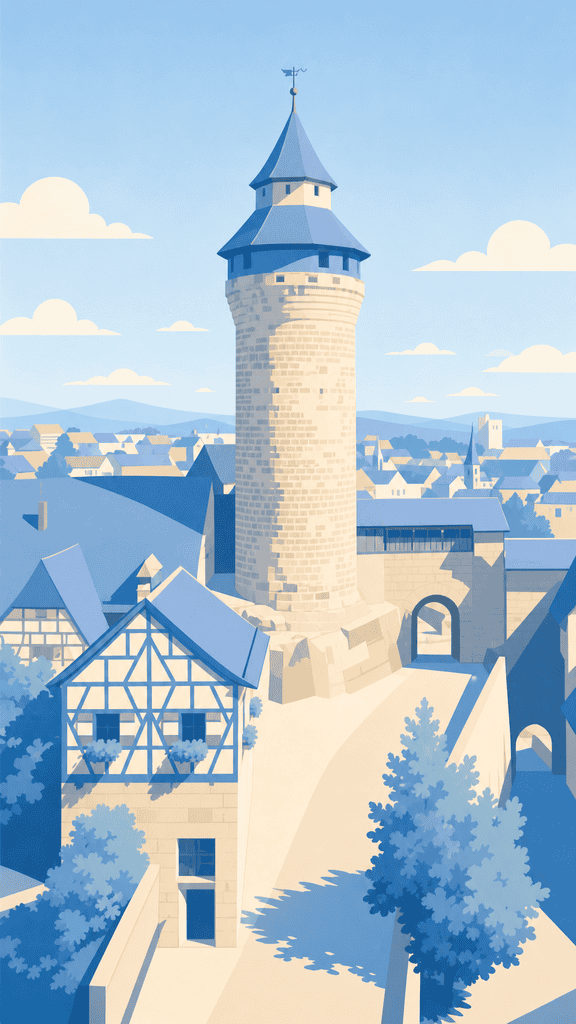
Overlooking the Old Town, the Imperial Castle of Nuremberg is one of Germany’s most iconic fortified complexes. A visit reveals ramparts, courtyards, towers, and historic buildings that tell the story of the fortress’s strategic role through the centuries. The site also includes museum spaces with objects, models, and exhibits related to the history of the city and the castle. From the hilltop, it offers beautiful views over Nuremberg and its old rooftops.

2. Documentation Center Nazi Party Rally Grounds
The Documentation Center Nazi Party Rally Grounds in Nuremberg is a museum dedicated to the history and critical understanding of this vast propaganda complex. Set in the former rally grounds, it offers well-documented exhibitions on the site’s architecture, its political use, and the mechanisms of Nazi propaganda. Visitors can explore photos, archives, and educational displays that help place the site in its historical context. It is a powerful visit for anyone wanting to better understand the site’s memory and its role in German history.
3. Beautiful Fountain
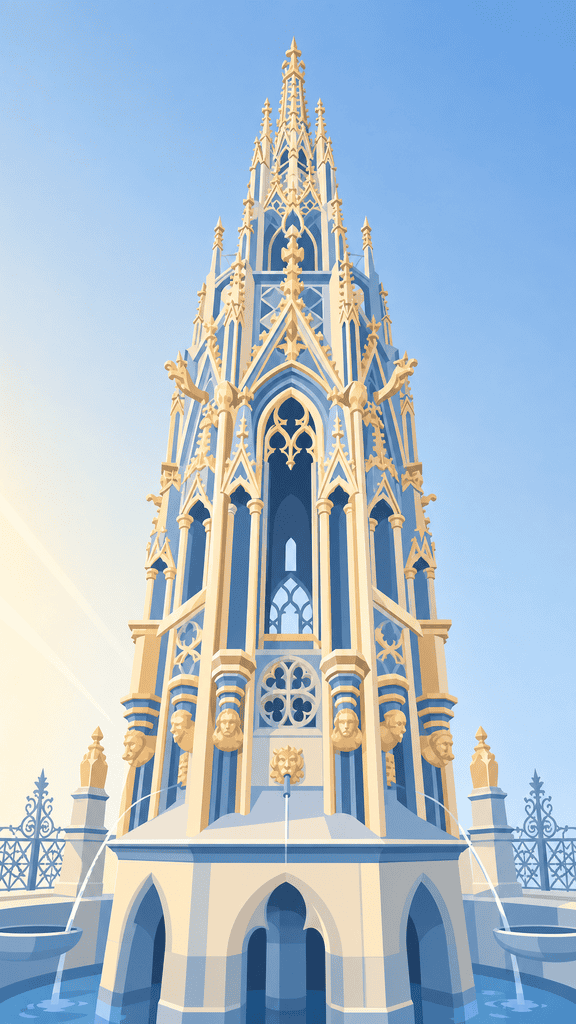
In the heart of Nuremberg’s main market square, the Schöner Brunnen catches the eye with its tall, richly decorated Gothic fountain. This historic monument, recognizable by its slender shape and numerous sculptures, features figures and motifs that evoke the city’s medieval imagination. It is one of Nuremberg’s iconic heritage landmarks, both decorative and symbolic, and is highly appreciated by visitors for its elegance and central place in the old urban fabric.
4. Nuremberg Transport Museum
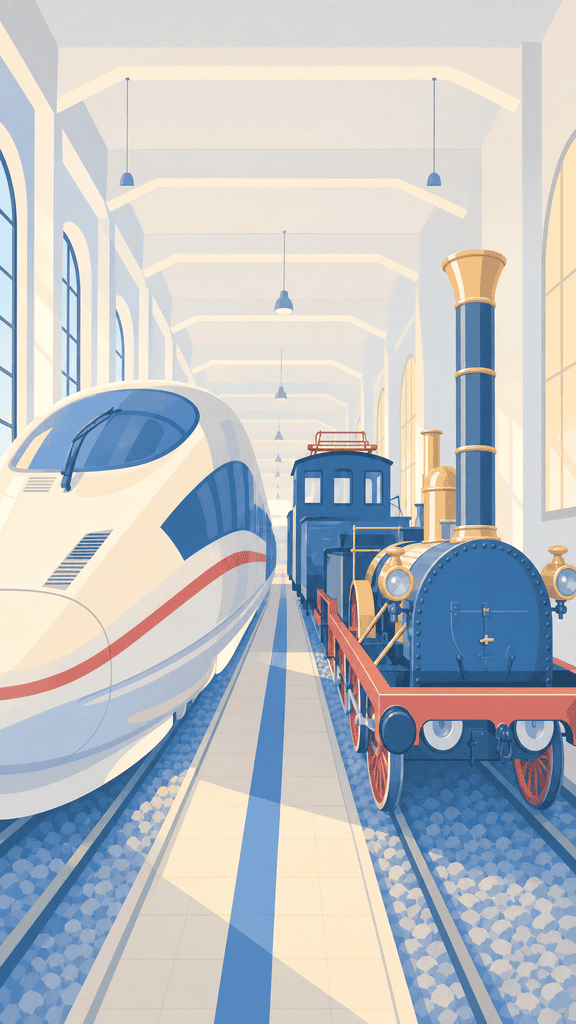
The Nuremberg Transport Museum presents the history and evolution of mobility, with a broad overview of railways, road vehicles, and urban transport. Visitors can discover locomotives, railcars, scale models, technical objects, and exhibitions that explain how the different modes of transport work. The museum appeals both to technology enthusiasts and curious visitors, thanks to its clear, educational presentation. Located in Nuremberg, it offers a rewarding visit for understanding how transport has shaped everyday life and exchanges.
5. Handwerkerhof Nuremberg
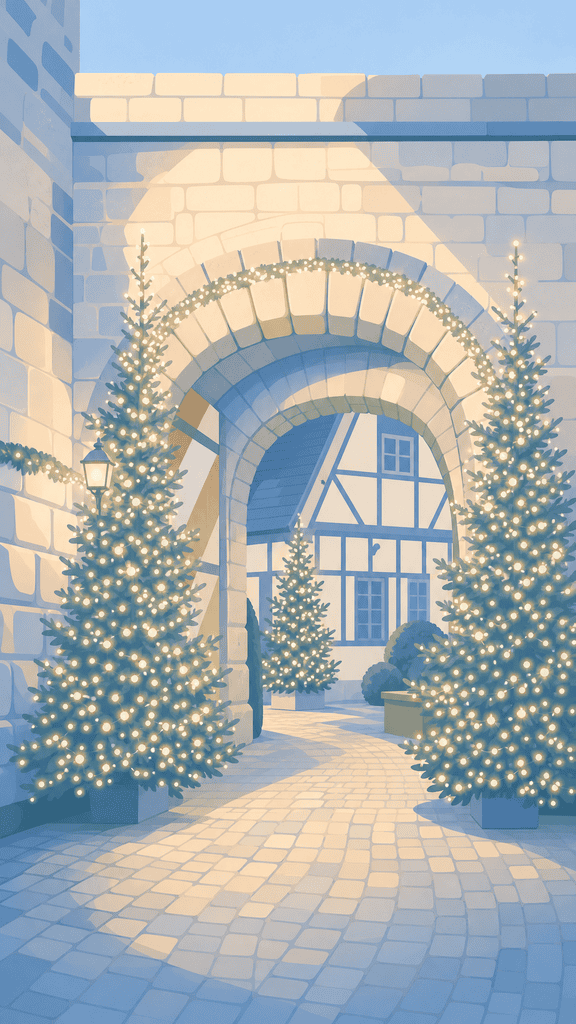
The Handwerkerhof Nuremberg is a small craft village near Nuremberg Central Station, where visitors can discover traditional workshops, souvenir shops and an atmosphere inspired by Franconian craftsmanship. This picturesque spot brings together specialist stores selling handmade products such as ceramics, leather goods, glassware and wooden toys, plus cafés and restaurants for a pleasant break. It is a popular stop for strolling, watching local know-how and finding authentic items in a charming, lively setting.
6. Reichsparteitagsgelände
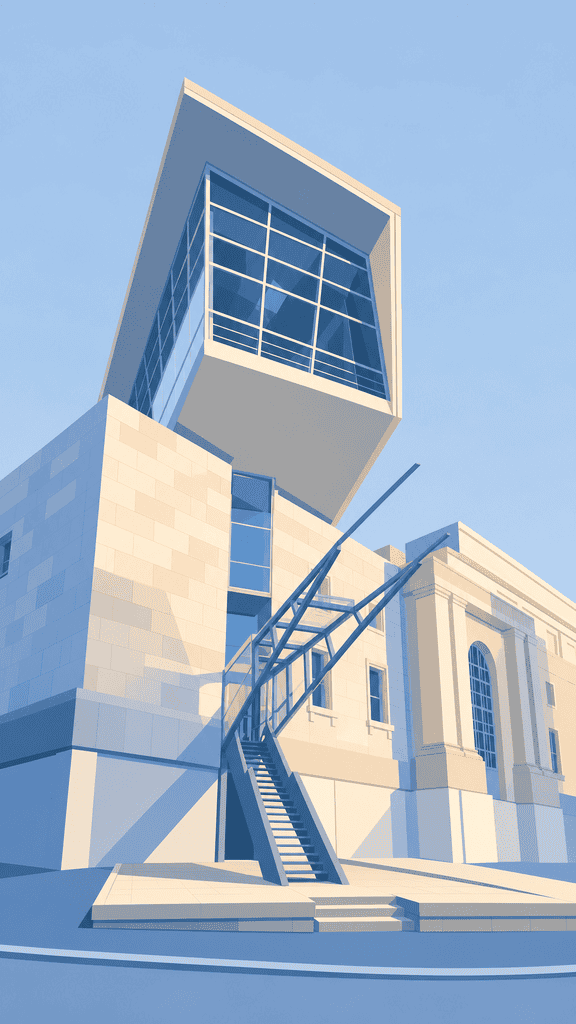
The Reichsparteitagsgelände in Nuremberg is a vast historic complex that invites visitors to discover the traces of a former political rally site that has become a place of remembrance. Explore its wide open spaces, unfinished monumental structures and architectural remains that reflect its past. The site is also known for its walking routes and viewpoints, which help explain its scale. With heritage, historical reflection and a scenic walk, it offers a memorable experience for travelers interested in German history and places of remembrance.
7. Germanisches Nationalmuseum
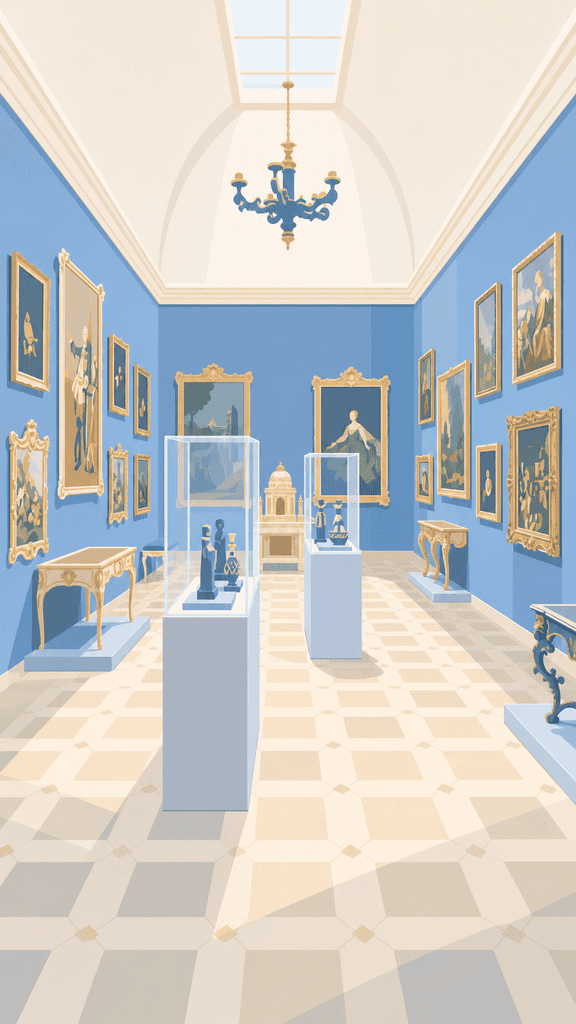
The Germanisches Nationalmuseum in Nuremberg is one of Germany’s major cultural history museums. It features a vast collection of objects tracing life, art and traditions across the German-speaking regions, from the Middle Ages to the modern era. The route brings together artworks, instruments, furniture, weapons, everyday objects and varied collectibles, offering a rich and accessible overview of heritage. It is an ideal visit for a deeper understanding of the cultural and historical evolution of the Germanic world.

8. Nuremberg Trials Memorial
The Nuremberg Trials Memorial is a historic site dedicated to the major post-World War II trials. Located at Nuremberg’s Palace of Justice, it lets visitors discover the courtrooms and understand how this landmark international justice process worked. The visit places the events, legal issues, and commemorative significance of the site into context. Through clear presentations and preserved spaces, visitors explore a major chapter in the history of law and memory in Germany.
9. Toy Museum
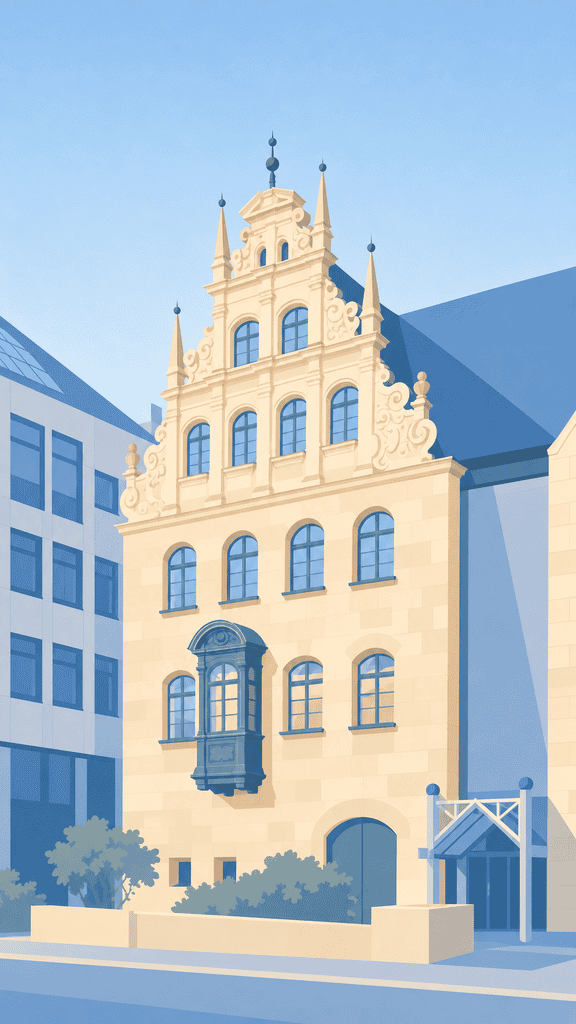
The Toy Museum in Nuremberg is dedicated to the world of toys, with a rich collection ranging from antique toys to more recent creations. Visitors can trace the evolution of materials, shapes, and uses through dolls, model trains, figures, building sets, and other iconic pieces. The experience appeals to both children and adults, offering a playful yet cultural look at the history of play and childhood in a city especially tied to this tradition in Germany.
10. Zeppelinfeld
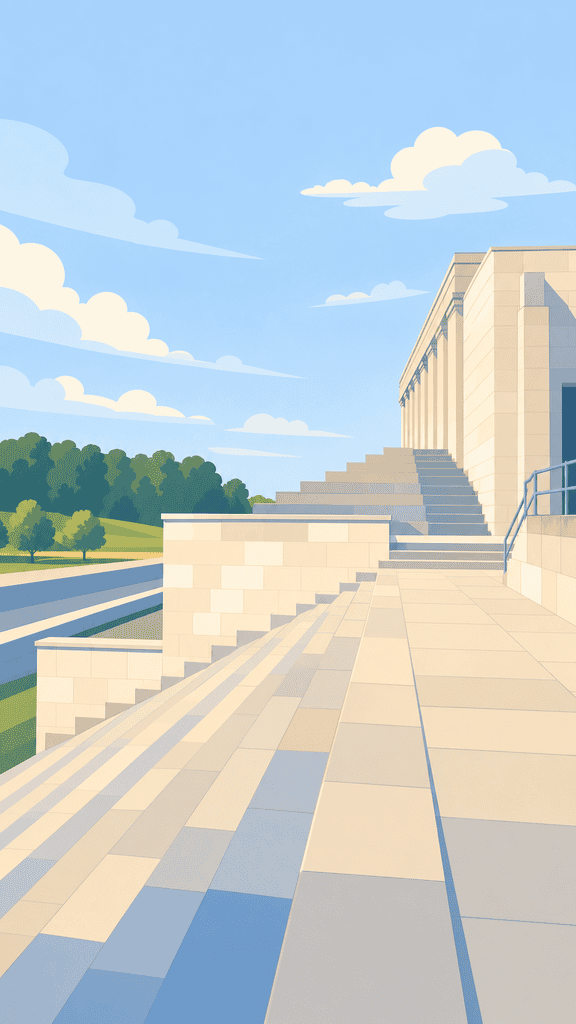
Zeppelinfeld in Nuremberg is a vast open-air historic site that draws visitors for both its scale and its memorial significance. Explore a large gathering esplanade lined with terraces, a remnant of a former rally ground now linked to reflection on the past. The site impresses with its monumental architecture and open perspectives, which hint at its original purpose. Located in the southeast of the city, it is a striking visit for understanding an important part of German history and Nuremberg’s urban landscape.

11. Children’s Museum Nuremberg in the Kachelbau
Kindermuseum Nürnberg im Kachelbau is a Nuremberg museum designed to spark children’s curiosity through an interactive, accessible approach. Located at Michael-Ende-Straße 17 in the Kachelbau, it is part of the city’s cultural network with a strong focus on visitor experience. The museum offers a hands-on space where learning happens through manipulation, observation, and participation, in a setting made for children and engaging for adults alike. It highlights active discovery and simple, clear understanding of the topics on display.
12. White Tower
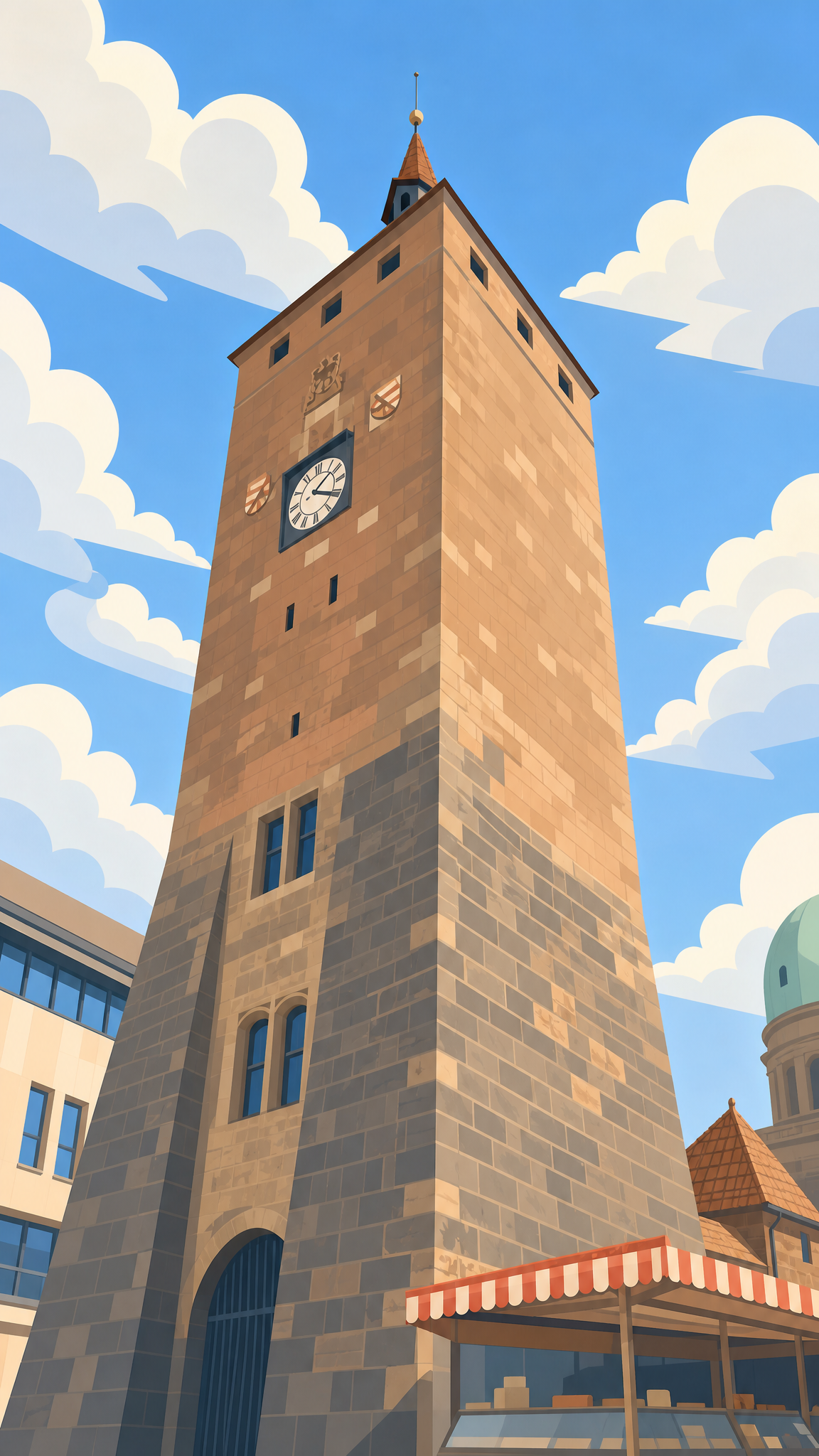
The White Tower is one of Nuremberg’s historic landmarks, standing beside Ludwigsplatz. This white tower stands out for its simple, solid presence in an urban setting where the city’s defensive past is still visible. It offers a glimpse of Nuremberg’s former fortifications, now set within a lively central district. The site shows how a medieval monument remains readable in a modern city, among traffic, contemporary architecture and urban memory.
13. Medieval Prison Cells
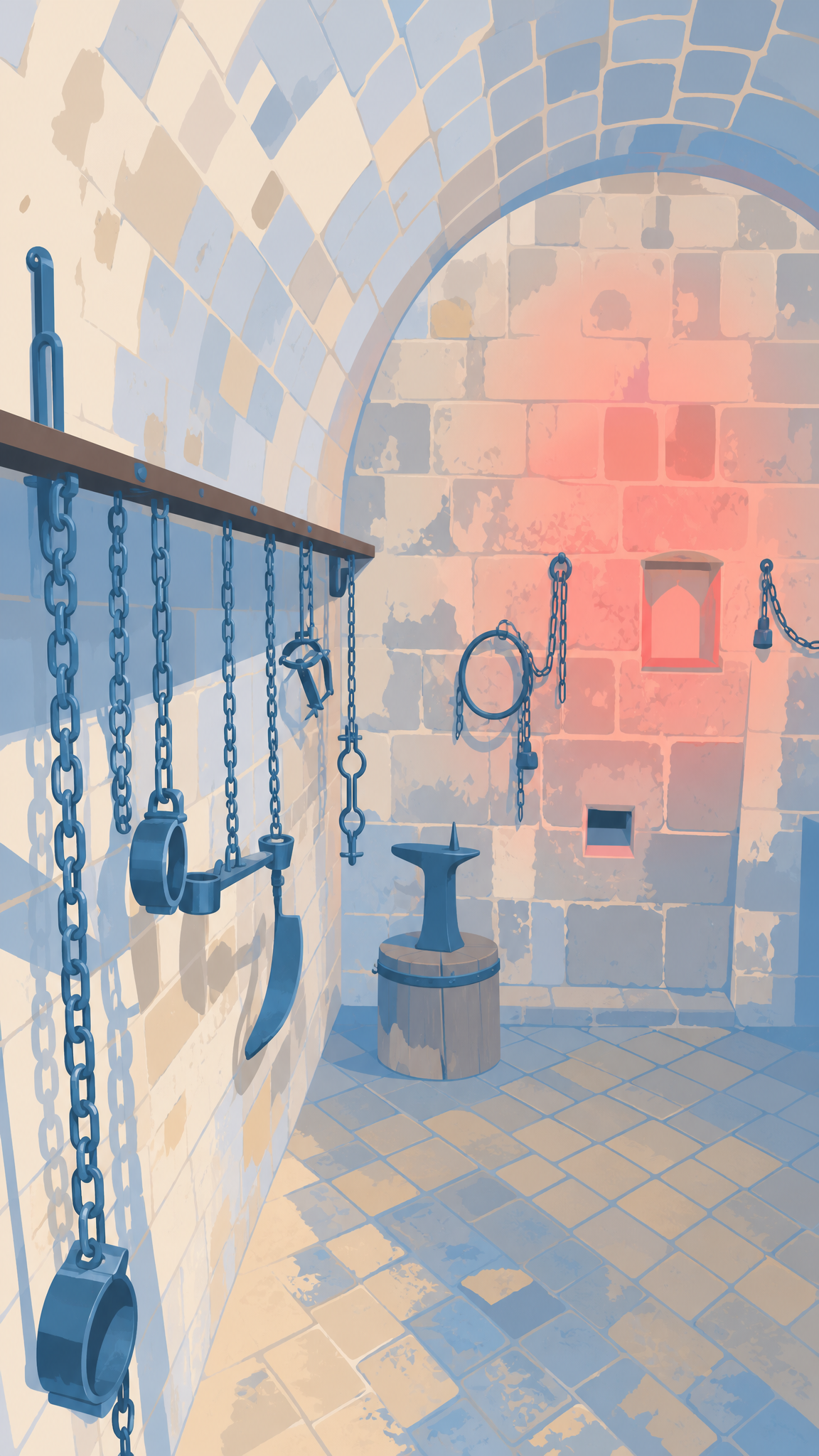
Beneath Nuremberg City Hall, the Medieval Prison Cells reveal a quiet but striking side of the city’s past. This site museum lets visitors discover old medieval detention cells integrated into an underground space linked to municipal justice. The narrow rooms, darkness, and austere setting evoke confinement and urban control in the Middle Ages. A visit sheds light on a tangible part of medieval history, between local power, punishment, and surveillance.
14. Turmdersinne
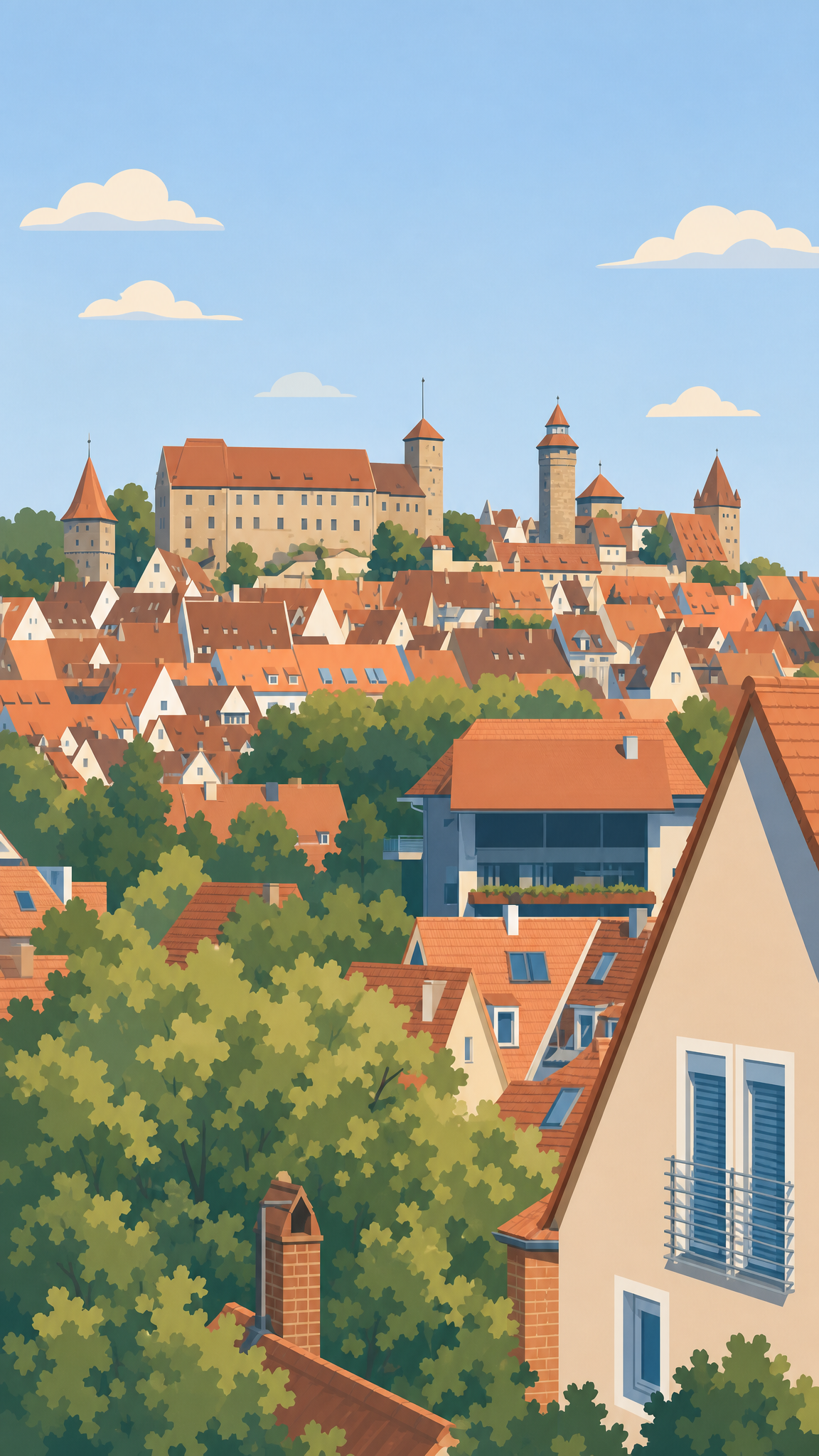
Turmdersinne is a museum in Nuremberg whose appeal lies in both its location and its cultural identity. Set on Spittlertormauer in an area linked to the old fortifications, it is part of the city’s historic landscape. The site stands out for its quiet presence in a historic quarter, where the memory of the ramparts remains visible. It is above all a heritage site rooted in Nuremberg’s topography, at the crossroads of urban space, defensive history and cultural value.
15. Art Bunker Museum
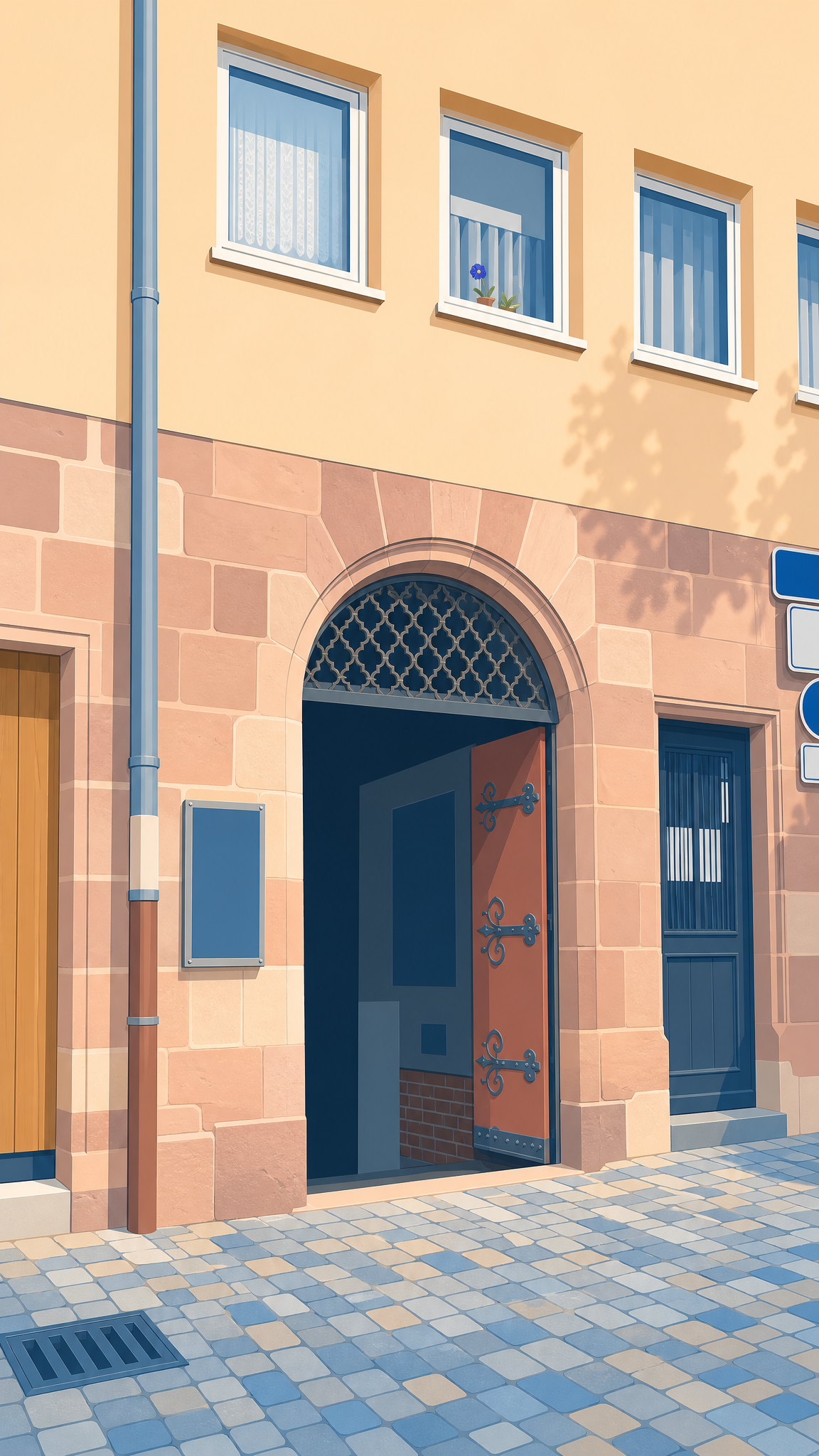
The Art Bunker Museum in Nuremberg offers a unique experience, halfway between a historic site and an exhibition space. In this underground Old Town venue, visitors discover defensive architecture turned into a place for conservation and art display. Stone walls, corridors, and protected spaces create a very distinctive atmosphere, far from a traditional museum. The visit reveals both the identity of the building and the cultural role it plays today, in an environment deeply connected to Nuremberg’s heritage.
16. Augustinerhof
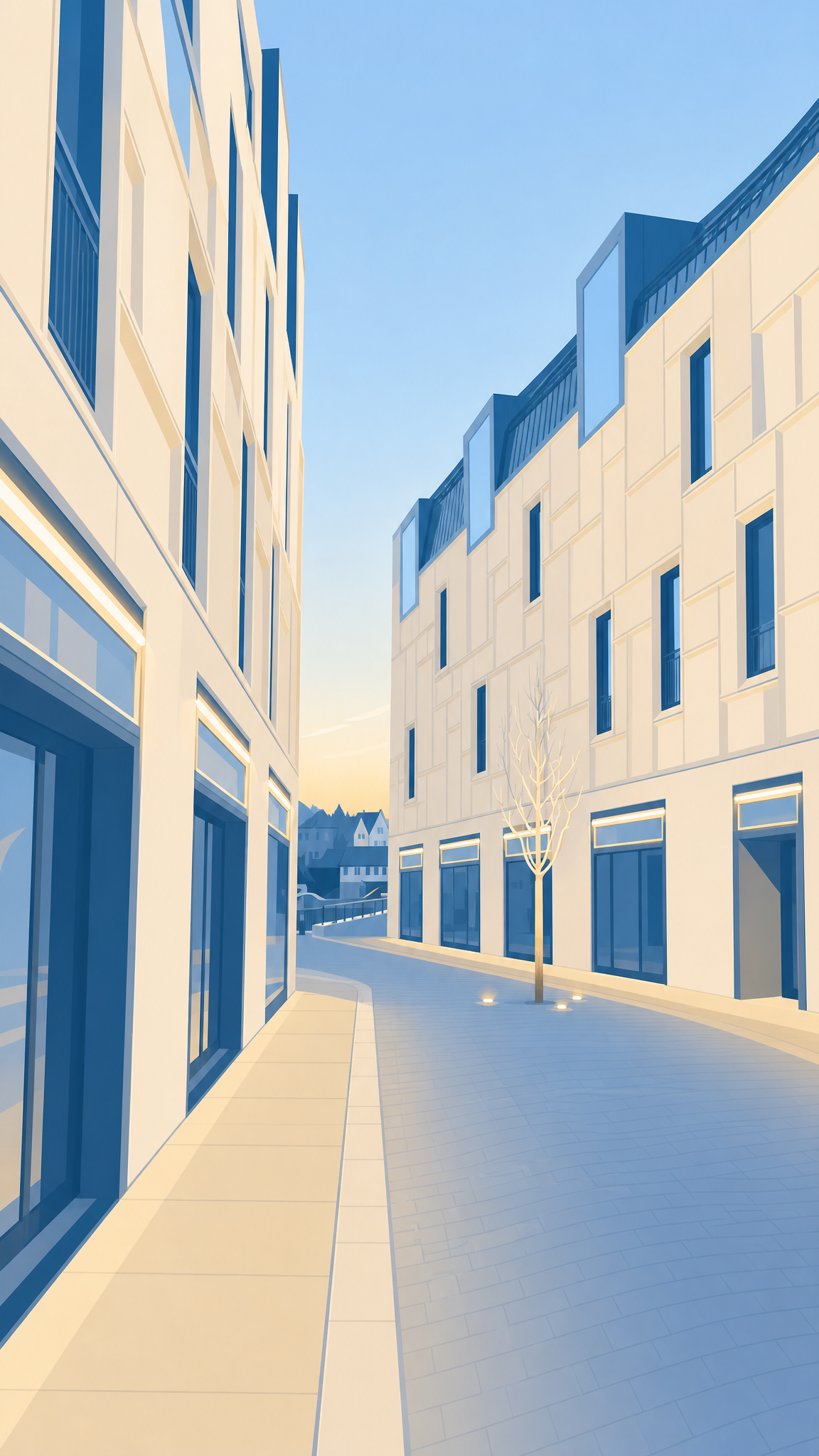
Augustinerhof is a hybrid destination in Nuremberg where culture and commerce meet. Set in the Old Town on Winklerstraße, it sits in a lively urban area close to historic streets and pedestrian routes in the city center. Visitors discover a complex that combines exhibition spaces with retail functions, reflecting a very contemporary idea of central urban space. Its location in the heart of Nuremberg makes it an interesting stop for understanding how the historic center has evolved into a more mixed and modern district.

17. Bionicum at Tiergarten Nuremberg
Bionicum at Tiergarten Nuremberg offers a unique look at living organisms, focusing on the links between nature and technology. Located inside Nuremberg Zoo, it shows how forms, structures, and behaviors observed in nature can inspire technical solutions. The space combines scientific explanations, interactive displays, and a naturalist perspective. It adds a more analytical angle to a visit to Tiergarten, highlighting biodiversity and the inventive adaptation mechanisms that shape it.
18. Nuremberg Bratwurst Museum
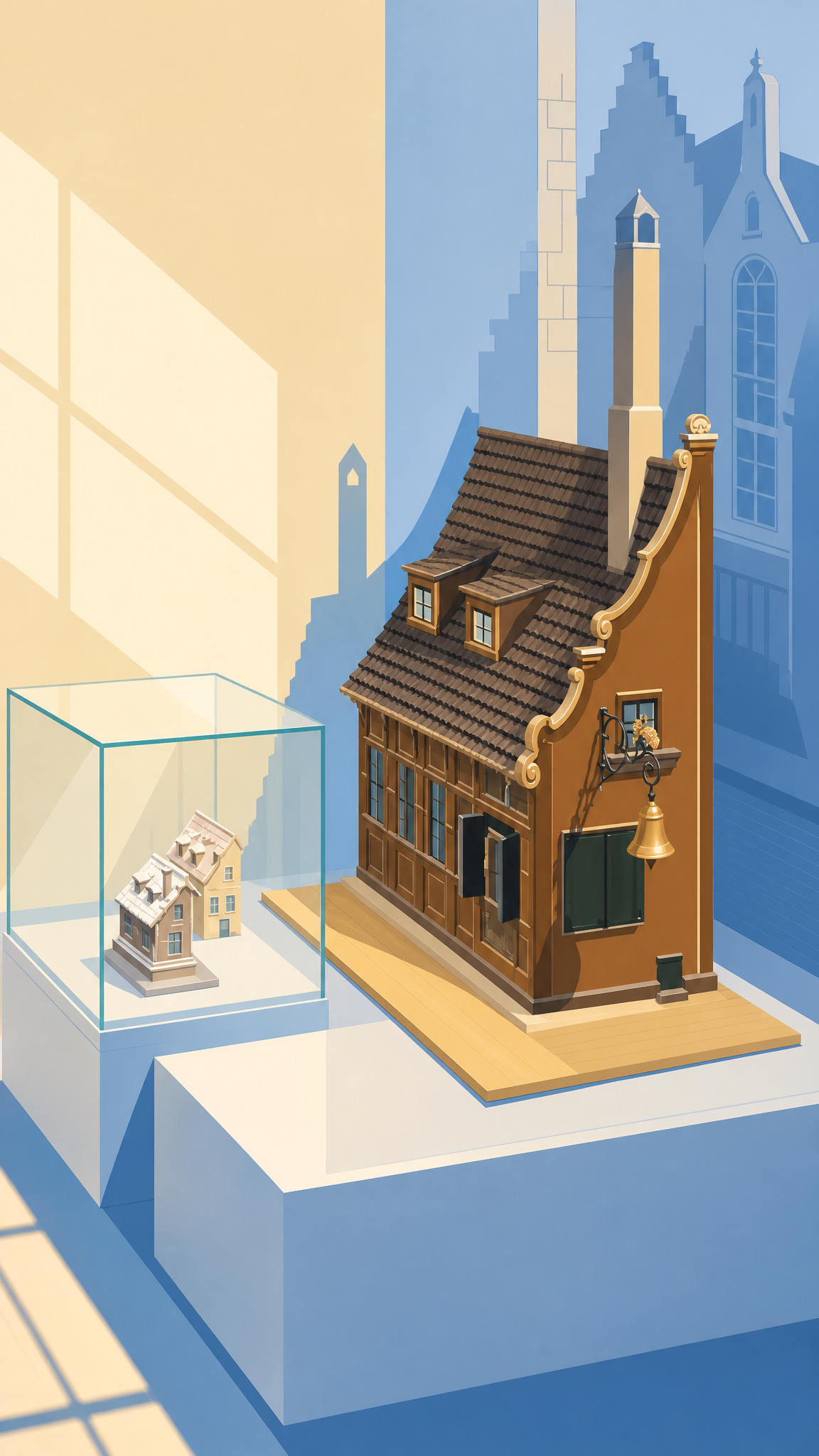
The Nürnberger Bratwurstmuseum is a museum dedicated to one of Nuremberg’s best-known specialties, the local bratwurst. Located on Bratwurstgasse, it sits in the city’s historic center and showcases a key symbol of its culinary identity. Visitors discover a heritage-focused space built around local food tradition, linking gastronomy, culture, and regional fame. The museum is as interesting for its theme as for its place in Nuremberg’s urban landscape.

Antony M
During my travels, I looked for guides who spoke my language. This search turned out to be long and tedious. That is why I created MYTOGU (My Tourist Guide): a matching site between tourists and professional tourist guides.
