
15 Best Things to Do and See in Porto Alegre
Exploring Porto Alegre on foot is one of the best ways to feel the city’s atmosphere, connect its landmark places and discover its neighbourhoods at a more natural pace.
In this guide, you will find the attractions not to miss when planning a walking route in Porto Alegre, with simple reference points.
To go further, you can also enjoy a private guided tour in Porto Alegre. It is a smoother way to connect places, understand details you might miss on your own and enjoy a more human, personal discovery adapted to your trip.
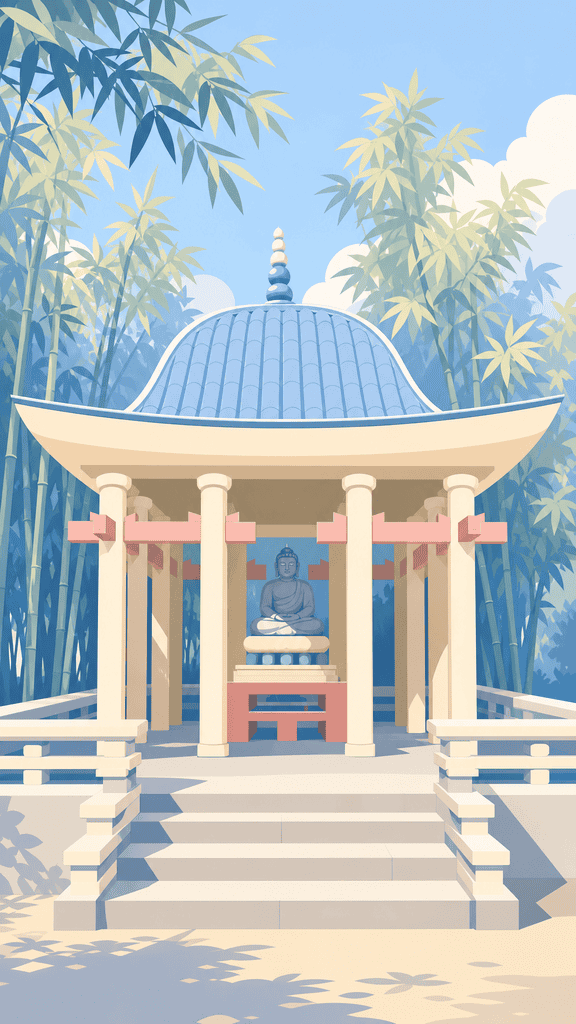
1. Redenção Park
Redenção Park, in Porto Alegre, is one of the city’s most popular green spaces for a walk, a relaxing break, or a family outing. Visitors will find wide tree-lined paths, lawns, gardens, and areas ideal for outdoor activities. The park also features leisure facilities and spaces where you can enjoy the local atmosphere, with lively crowds on weekends. It is a pleasant place to observe everyday life in Porto Alegre and take a break in the heart of the city.
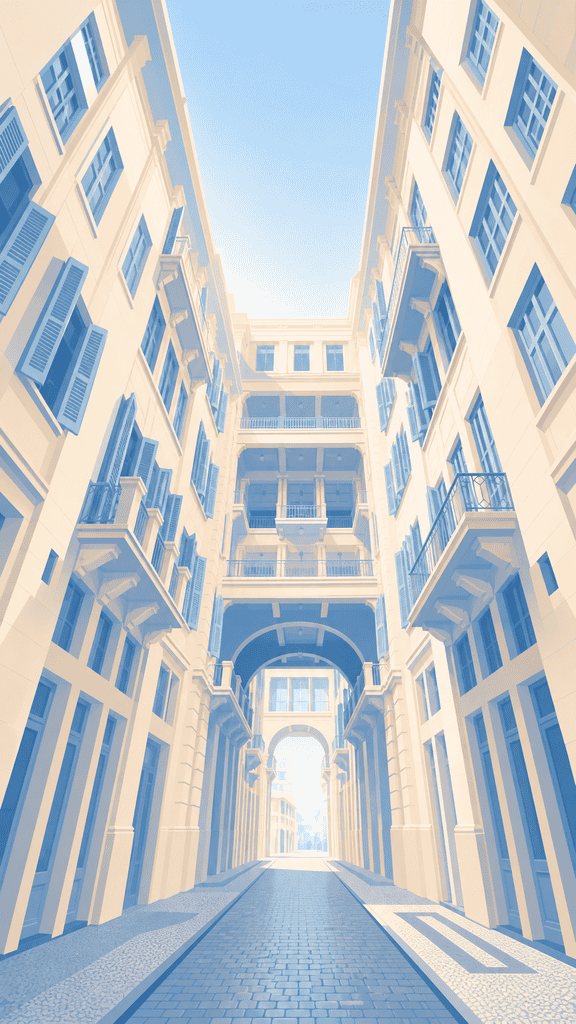
2. Mario Quintana Cultural Center (CCMQ)
The Casa de Cultura Mario Quintana in Porto Alegre is a large cultural center housed in one of the city’s most iconic buildings, where visitors can explore a lively space dedicated to the arts and creativity. As you walk through its rooms, you can enjoy temporary exhibitions, displays about local culture, as well as activities related to theater, music, cinema, and literature. Altogether, it offers a wonderful immersion into Porto Alegre’s cultural life, in a vibrant and welcoming atmosphere, ideal for visitors who want to better understand the Brazilian art scene.
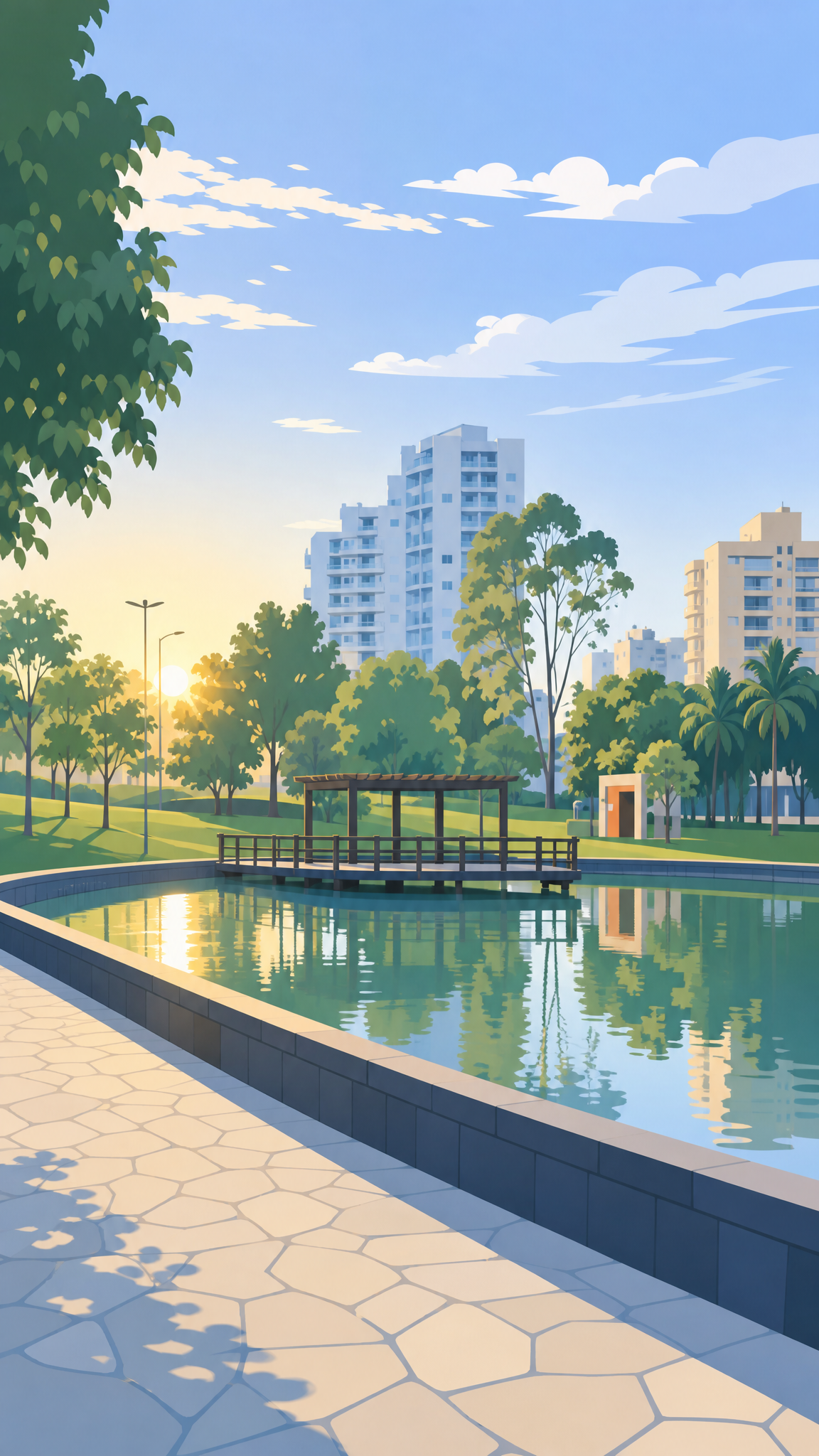
3. Germânia Park
Germânia Park is an urban park in Porto Alegre where visitors can discover a wide green space in the heart of Jardim Europa. Its layout highlights lawns, trees, and walking paths that shape an easy, straightforward visit. The park reflects a simple, everyday use of public space, combining relaxation, walking, and outdoor activities. Set in a dense part of the city, it offers an interesting contrast with the surrounding urban energy while remaining closely tied to neighborhood life.
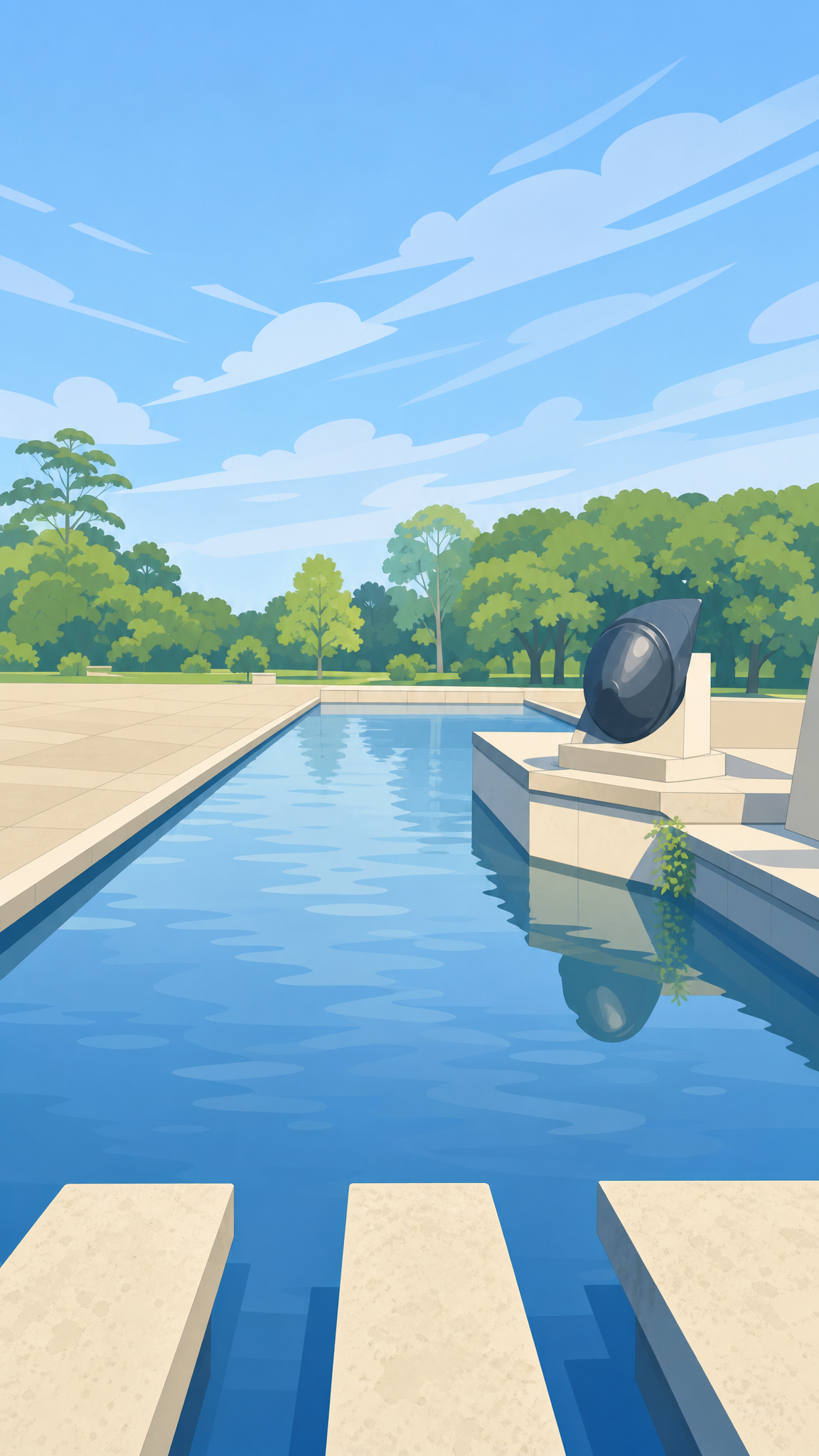
4. Park Marinha do Brasil
Park Marinha do Brasil is a large public space in Porto Alegre, offering open urban scenery with lawns, pathways, and views near the lake. It appeals both for relaxation and for its central location in the city. The park gives visitors a clear look at Porto Alegre, where designed nature, city traffic, and the waterfront meet. It is a simple but revealing place to understand how the city creates breathing space within its urban fabric.
5. Fundação Iberê
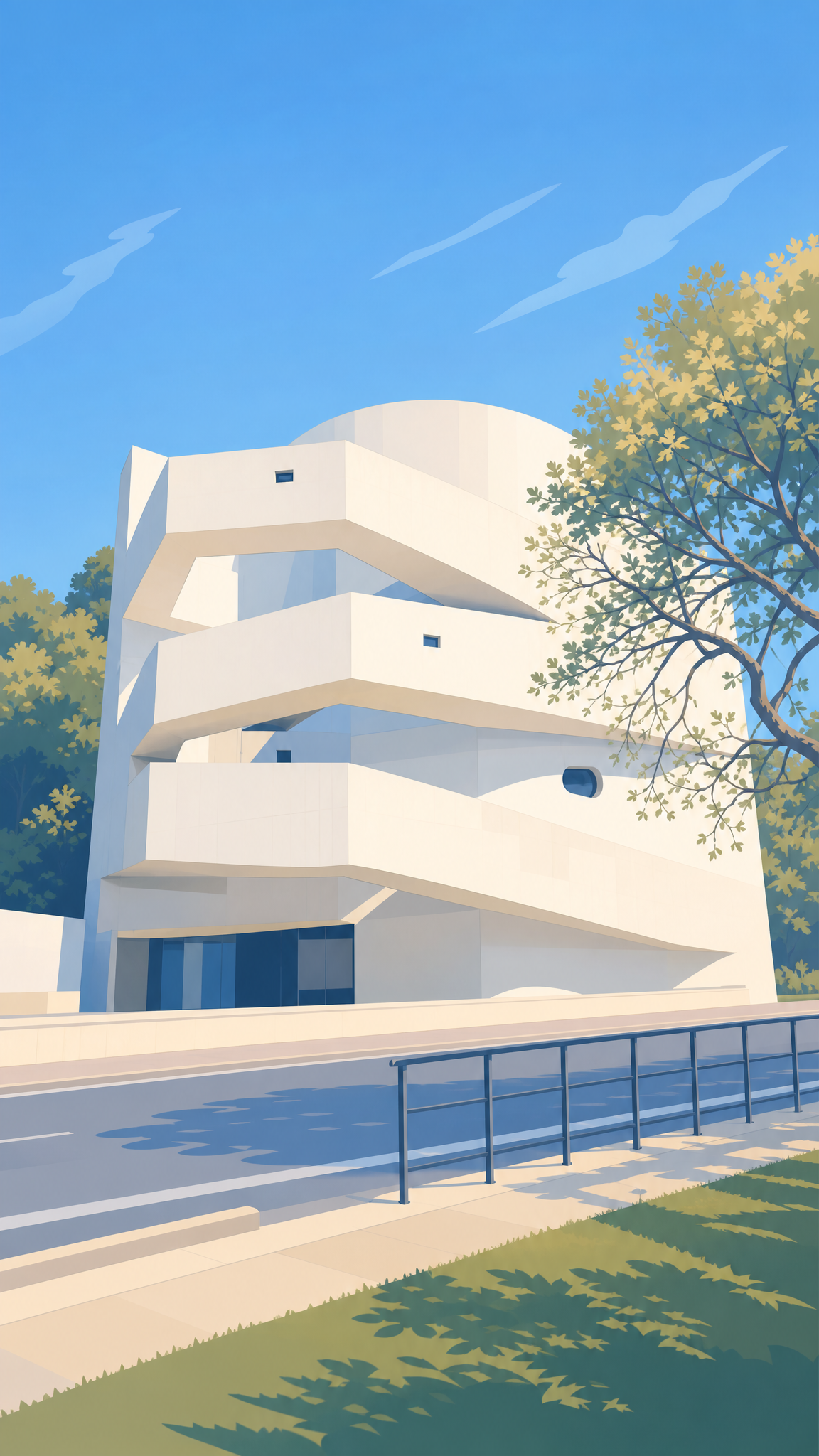
Fundação Iberê is a key place to discover the world of Iberê Camargo in an institution dedicated to memory and cultural promotion. In Porto Alegre, it stands out for its link to Brazilian art and its urban setting in the Cristal district. Visitors can explore an artistic heritage centered on a major figure, along with the preservation, study, and promotion efforts that surround it.
6. Farol Santander
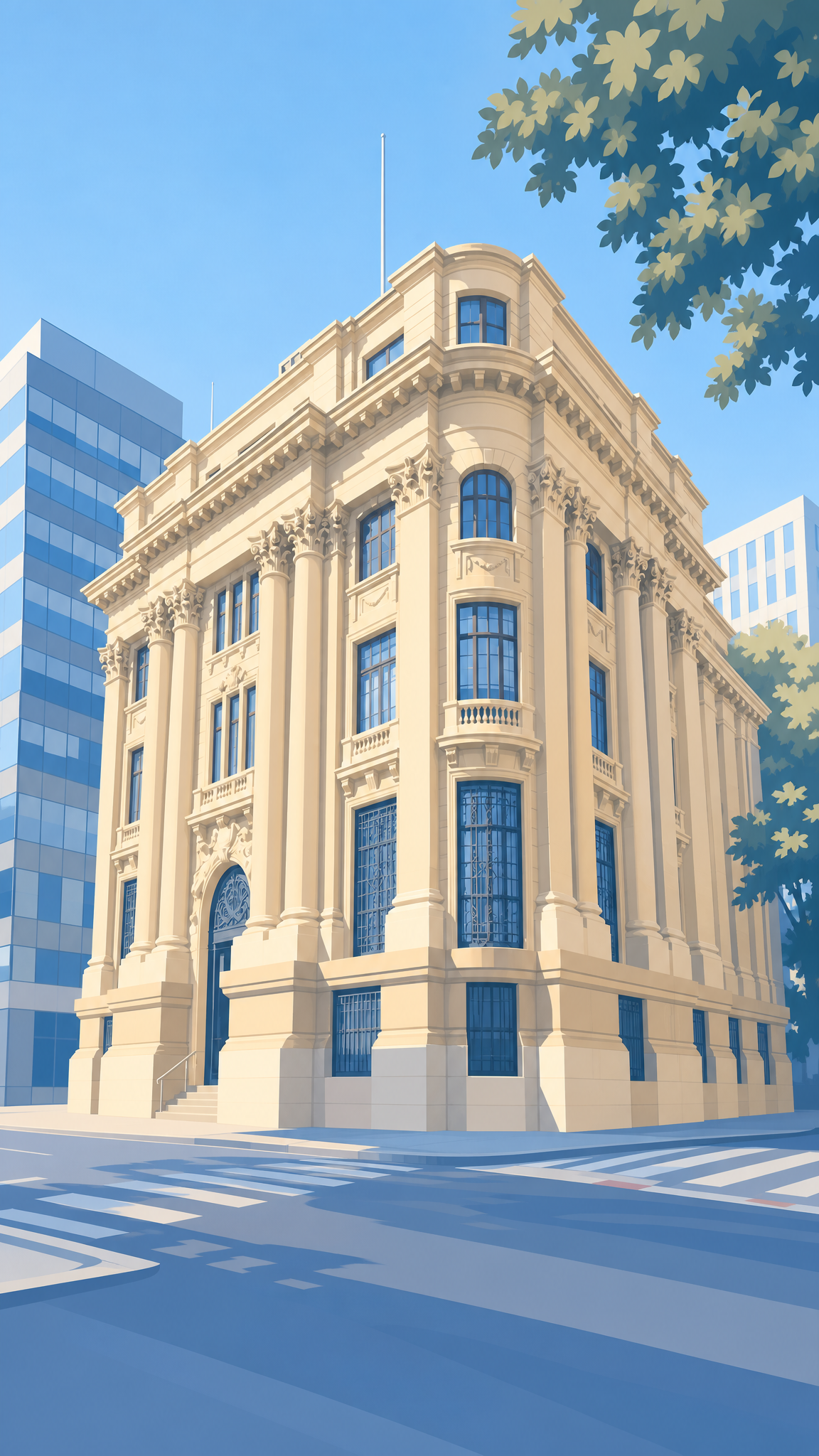
Farol Santander is a museum in the historic center of Porto Alegre, close to major city routes. The building stands out in the district’s heritage landscape, and its cultural role reflects the mix of urban history and contemporary life found in this central area. Visitors discover an exhibition space that connects architecture, memory, and local identity, offering a clear view of Porto Alegre’s evolution. The museum provides a concrete look at living urban heritage.
7. Porto Alegre Botanical Garden
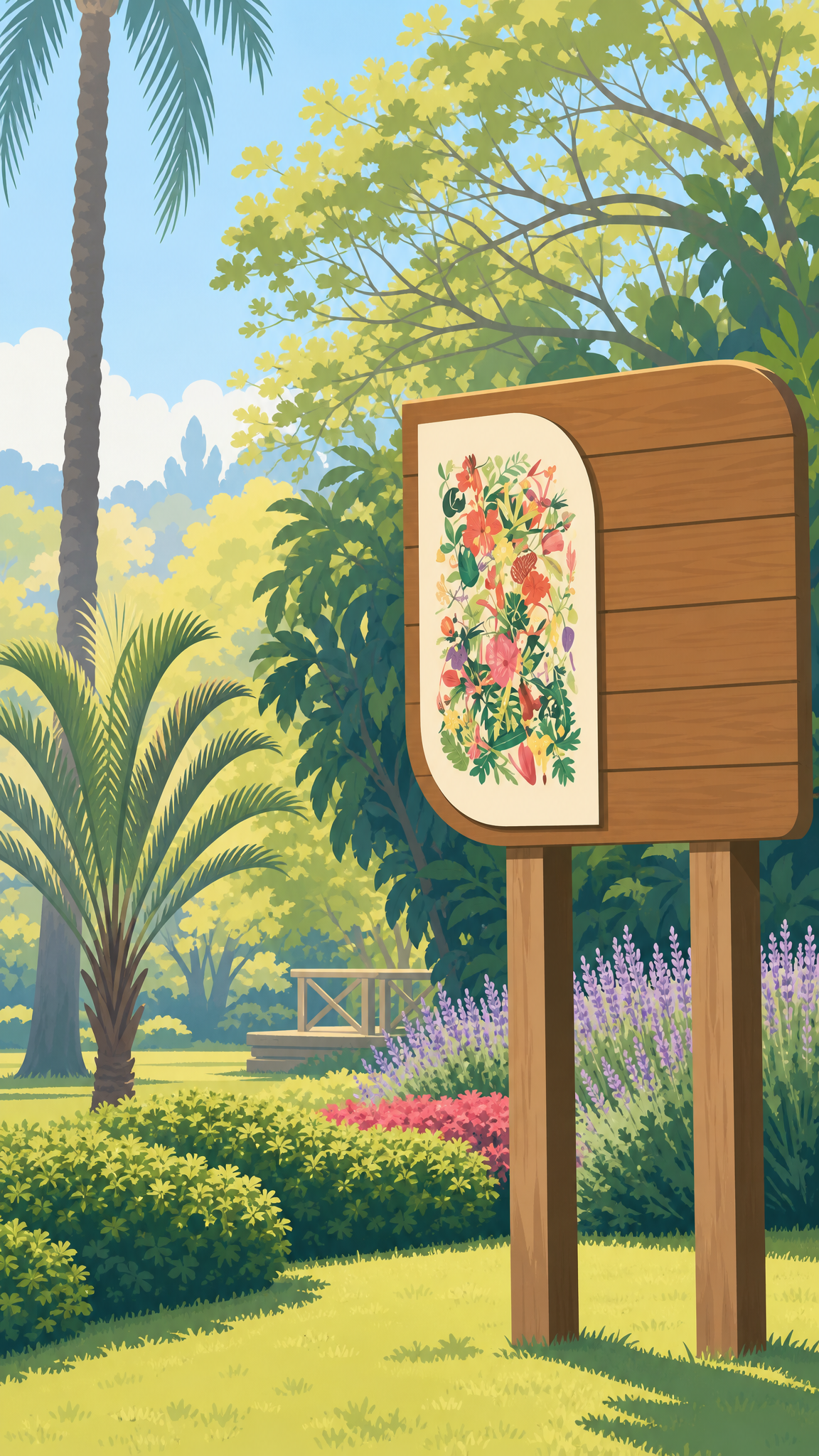
Porto Alegre Botanical Garden invites visitors to discover a plant-focused space designed for conservation, study, and observing local flora. Shaded paths and planted areas create a calm setting that highlights the diversity of species on display. The site appeals both for its botanical interest and for its place in Porto Alegre’s urban landscape. It offers a clear glimpse of southern Brazil’s natural richness in an accessible, well-organized environment.
8. Monument to the Expeditionary
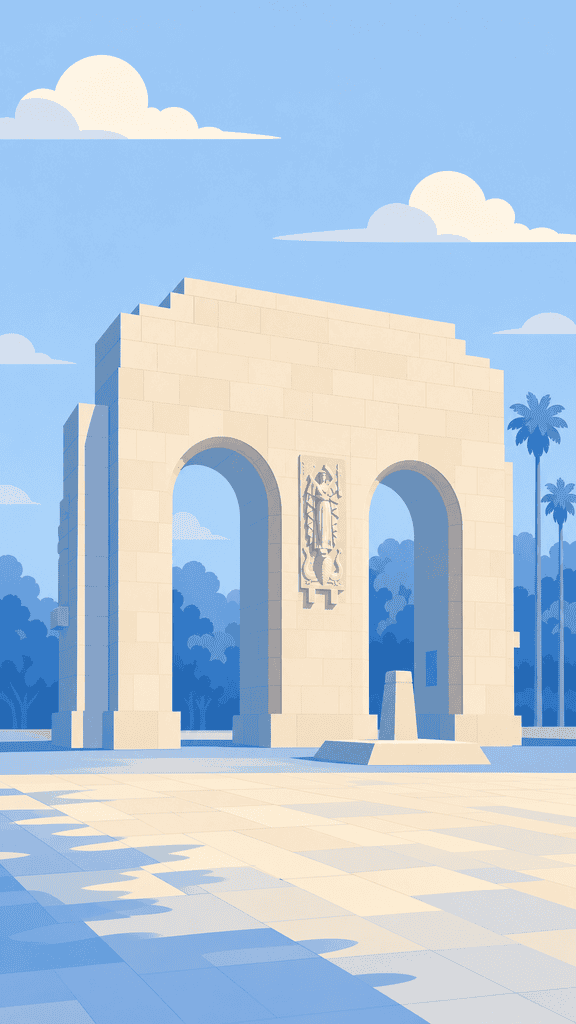
The Monument to the Expeditionary in Porto Alegre is a commemorative landmark found in a public space in the city, appreciated for its symbolic presence and heritage value. As you approach it, you can observe a monumental work dedicated to remembrance and the duty to remember, integrated into the urban landscape. The site invites a quiet pause to admire its lines, understand its commemorative role, and enjoy the surrounding environment. It is an interesting stop for visitors curious about Porto Alegre’s historical and cultural landmarks.
9. Rio Grande do Sul Art Museum
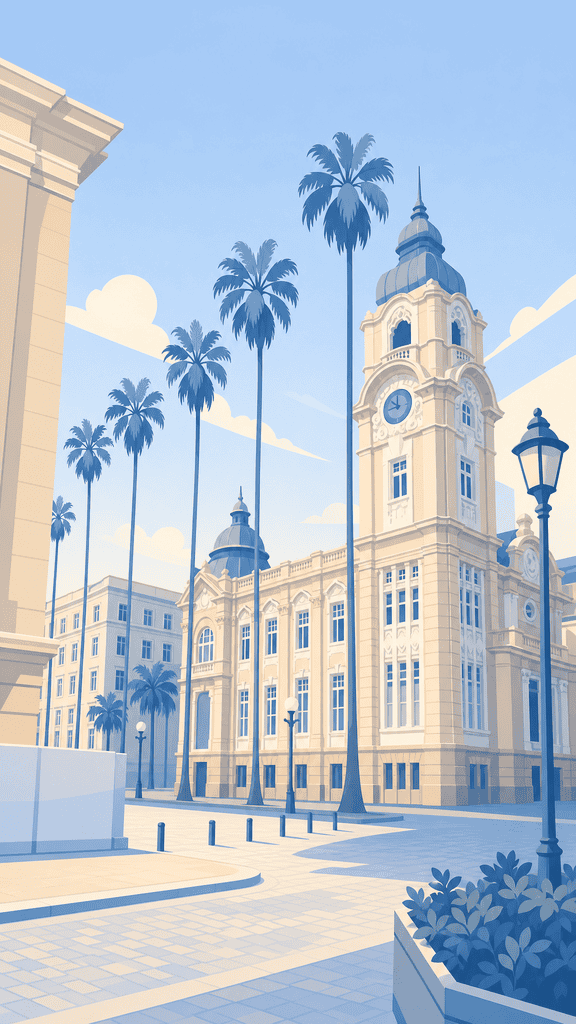
The Rio Grande do Sul Art Museum, in Porto Alegre, is one of the city’s leading cultural venues for discovering artistic creation in Brazil and beyond. In its exhibition spaces, visitors can admire paintings, drawings, sculptures, and other works that showcase different art movements and periods. The museum also offers a look at the local art scene, with temporary exhibitions and cultural activities that enrich the visit. It is an ideal stop for art lovers and curious travelers alike.

10. Ipanema Boardwalk
The Calçadão de Ipanema in Porto Alegre is a waterfront promenade appreciated for its open views and peaceful atmosphere. Located in the south of the city, on the shores of Lake Guaíba, this spot invites you to walk, run, or simply relax while enjoying the scenery. It is a place frequented by both locals and visitors, ideal for watching the sunset, taking a break outdoors, and experiencing the urban and natural atmosphere of Porto Alegre in a pleasant and accessible setting.
11. Jaime Lerner Park (Guaíba Waterfront)
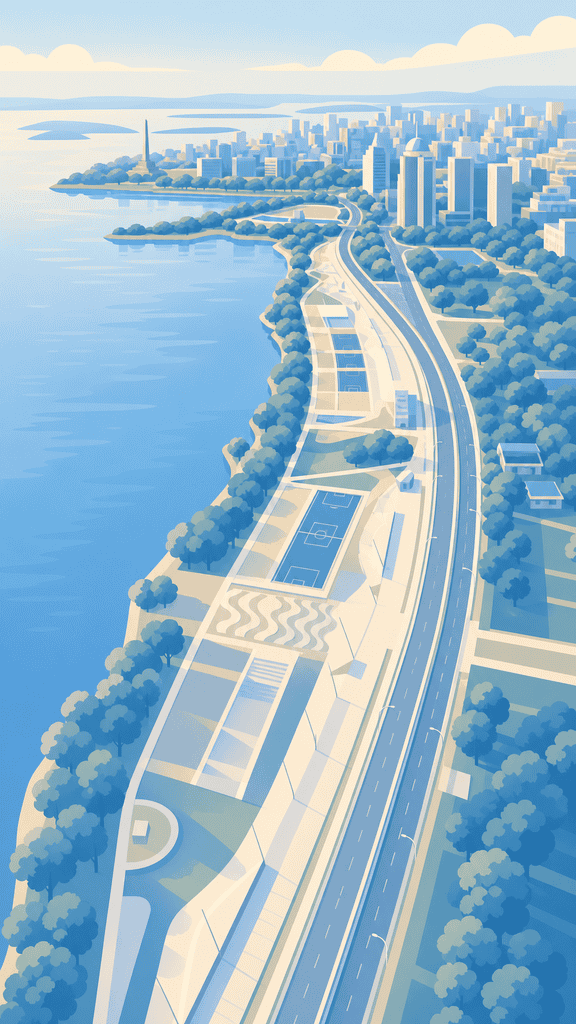
Jaime Lerner Park, on the Orla do Guaíba in Porto Alegre, is a large riverside urban park, popular for walks, cycle paths, and relaxation areas with views over the Guaíba. Visitors will find a contemporary layout designed for strolling, sport, and relaxing moments, with wide esplanades, landscaped green areas, and viewing points open onto the scenery. It is a pleasant place to watch the sunset, enjoy the fresh air, and experience the modern atmosphere of the city’s waterfront.
12. Brazilian Army Southern Military Command Military Museum
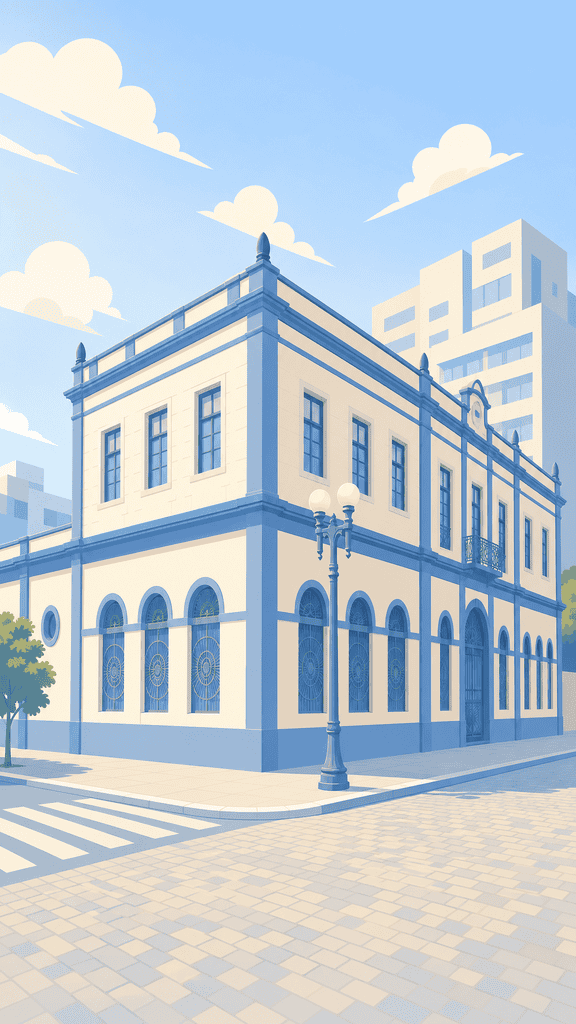
The Museu Militar do Comando Militar do Sul of the Brazilian Army, in Porto Alegre, offers an immersive look into Brazil’s military world through collections of objects, uniforms, weapons, documents, and equipment related to the army. In this museum, visitors mainly discover the history, organization, and military traditions of southern Brazil, presented in an institutional setting that highlights the legacy of the Comando Militar do Sul. It is an interesting visit for a better understanding of the army’s role in the region and the evolution of its equipment over time.
13. Cultural-Historical Center Santa Casa
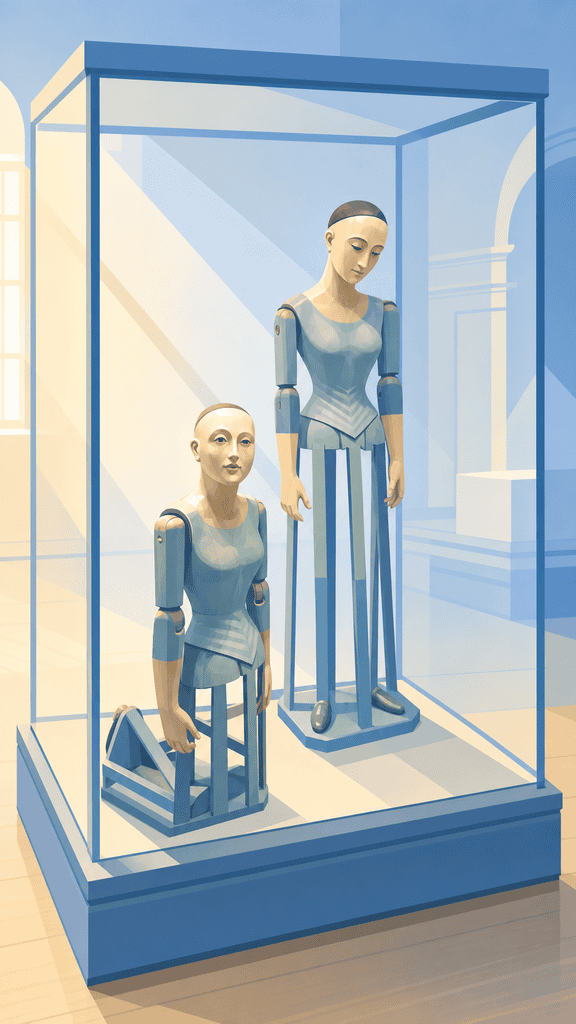
The Santa Casa Cultural-Historical Center in Porto Alegre offers a chance to discover a site dedicated to the memory and heritage of Santa Casa, one of the city’s best-known institutions. Visitors usually find exhibition spaces showcasing documents, objects, and historical elements that shed light on the institution’s development and its role in local social life. The visit appeals both to history enthusiasts and to curious travelers looking for a glimpse into Porto Alegre’s past in a restrained, informative cultural setting.

14. Stone Bridge
Stone Bridge in Porto Alegre is a tourist attraction appreciated for its urban setting and peaceful atmosphere. Located in an easy-to-reach part of the city, it offers a scenic crossing that attracts both walkers and visitors curious to take in the surrounding landscape. Strolling here, you’ll find a pleasant spot for photos, quiet moments and a relaxing break in the heart of Porto Alegre. It’s a simple but enjoyable place, ideal for experiencing the local charm without leaving the city center.
15. Joaquim Felizardo Museum of Porto Alegre
The Museu de Porto Alegre Joaquim Felizardo is a museum dedicated to the memory and history of Porto Alegre, offering an insightful look at the city’s development and heritage. Visitors can explore collections related to archaeology, material culture, and different aspects of urban life through objects, documents, and historically themed exhibitions. The museum also helps visitors better understand the city’s past in an accessible cultural setting, ideal for those curious to discover the identity of the capital of Rio Grande do Sul.

Antony M
During my travels, I looked for guides who spoke my language. This search turned out to be long and tedious. That is why I created MYTOGU (My Tourist Guide): a matching site between tourists and professional tourist guides.
