
18 Best Things to Do and See in Santiago de Compostela
Exploring Santiago de Compostela on foot is one of the best ways to feel the city’s atmosphere, connect its landmark places and discover its neighbourhoods at a more natural pace.
In this guide, you will find the attractions not to miss when planning a walking route in Santiago de Compostela, with simple reference points.
To go further, you can also enjoy a private guided tour in Santiago de Compostela. It is a smoother way to connect places, understand details you might miss on your own and enjoy a more human, personal discovery adapted to your trip.
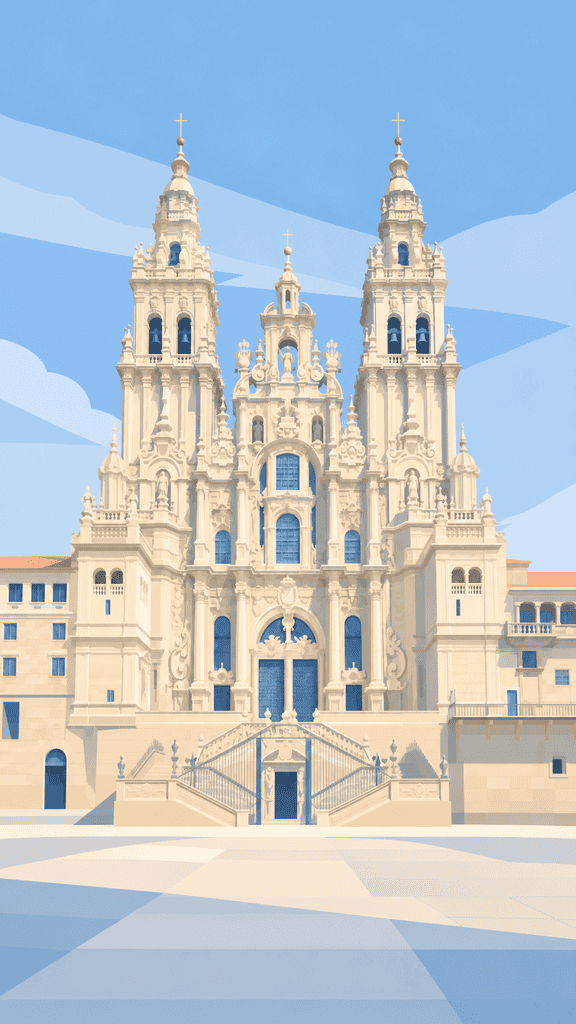
1. Cathedral of Santiago de Compostela
In the heart of Santiago de Compostela, the Cathedral of Santiago de Compostela stands as one of Spain’s great sanctuaries. This vast religious monument attracts visitors with its monumental architecture, richly sculpted façades, and atmosphere of contemplation. Inside, you’ll discover a major pilgrimage site, with impressive naves, chapels, sacred works of art, and a deeply spiritual ambiance. The cathedral is also an emblematic destination on the Camino de Santiago, in the heart of the old town.

2. Museum of the Galician People
Located in Santiago de Compostela, the Galician People’s Museum invites visitors to discover the popular culture and heritage of Galicia through a wide range of ethnographic collections. On display are everyday objects, traditional tools, costumes, old trades, and items linked to rural and maritime life. The museum offers a deeper understanding of Galician skills, customs, and identity in an emblematic heritage setting. It is a rewarding visit for anyone looking to explore the diversity of local traditions and the social history of the region.
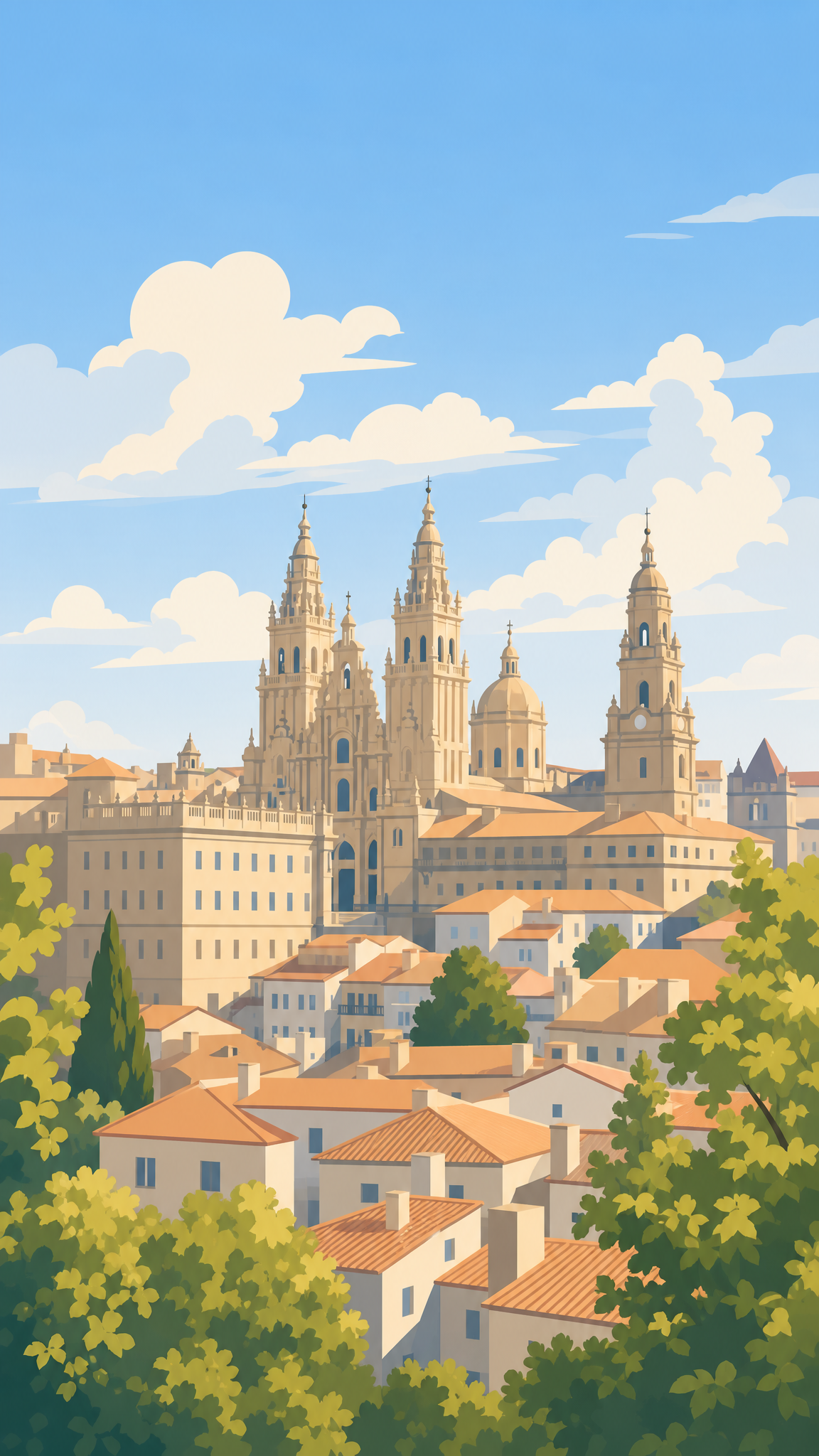
3. Miradoiro da Catedral
Miradoiro da Catedral offers a clear view of Santiago de Compostela Cathedral and its immediate urban setting. From this viewpoint, you can see the close relationship between the great religious monument, the rooftops of the historic center, and the dense old town. It is an excellent spot to appreciate the cathedral’s full silhouette and better understand its place in Galicia’s capital. A valuable viewpoint for discovering the city’s heritage identity.
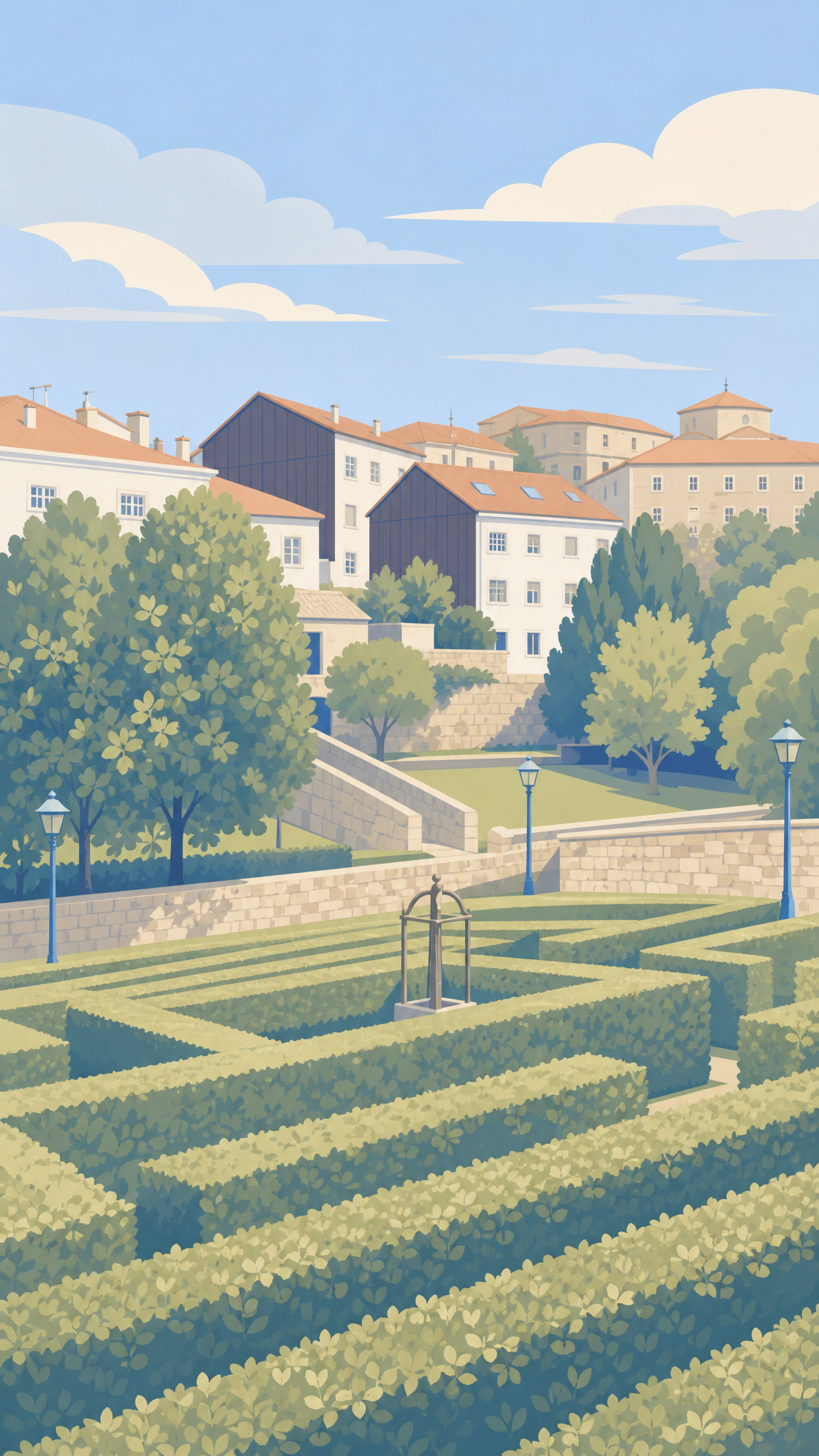
4. Parque de Belvís
Parque de Belvís is an urban green space in Santiago de Compostela, set on a sloping area that gives it a distinctive character. Visitors will find lawns, trees, and paths that follow the terrain, with open views over the city and its rooftops. The park stands out for its calm atmosphere, on the edge between the historic center and more residential areas. It offers an easy way to understand Compostela’s relief and the link between nature and the urban fabric.
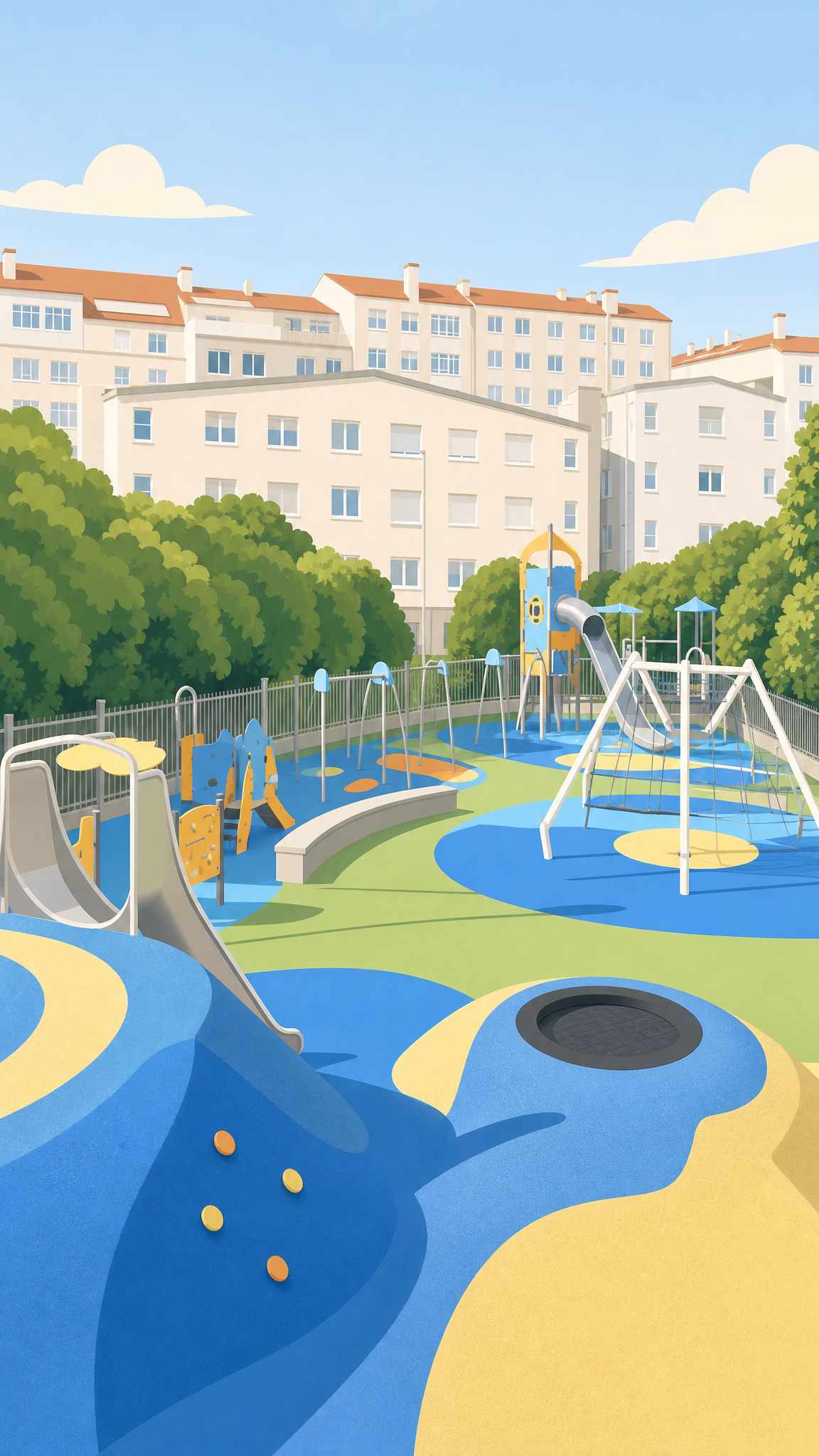
5. Xardíns dos Agros de Ramírez
Xardíns dos Agros de Ramírez is a simple urban space in the heart of Santiago de Compostela, on Rua de Diego de Muros. This local park offers both a place to rest and a playground, in an area shaped by the density of the city center. It stands out less for its size than for its place in daily life, between pedestrian flow, a touch of greenery, and immediate access to the historic quarter.

6. Pistas Xoán XXIII
Pistas Xoán XXIII is a sports and recreational park in Santiago de Compostela, valued for its open and functional setting. It features track facilities and outdoor uses in a lively urban area of Galicia’s capital. The site appeals both for its installations and for its role in everyday neighborhood life, between physical activity, local traffic and public spaces. Its identity lies in this practical simplicity, well rooted in the city.
7. Pazo de Xelmírez
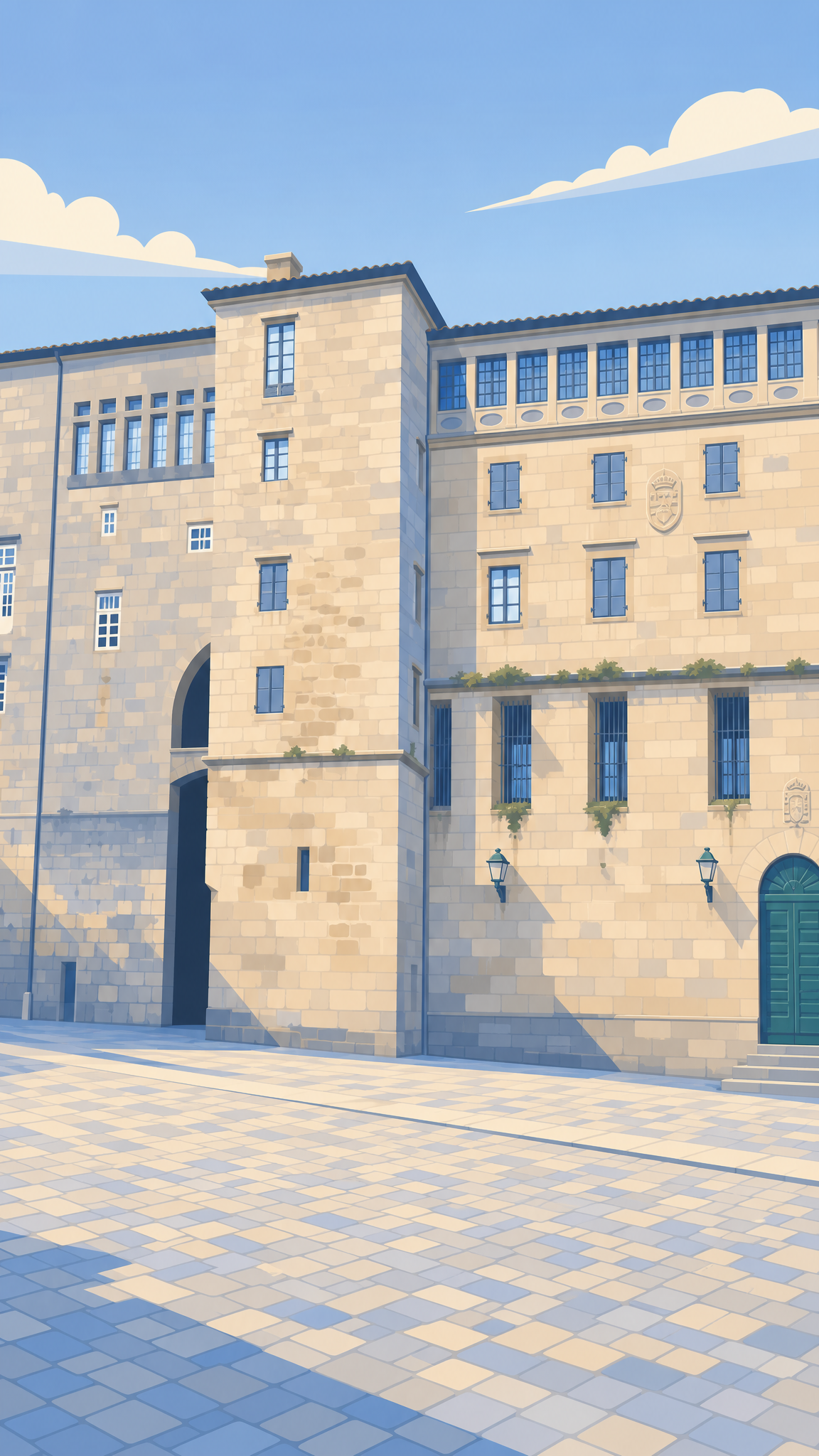
Pazo de Xelmírez is one of the most remarkable civil buildings on Praza do Obradoiro in Santiago de Compostela. As a history museum, it offers visitors a chance to explore an ancient building linked to the city’s monumental heritage and urban evolution. Facing the cathedral, it highlights the importance of civil architecture in the historic center. The visit showcases the building’s architecture, its integration into the square, and its role in understanding the past of Compostela.
8. Diocesan Museum – San Martiño Pinario
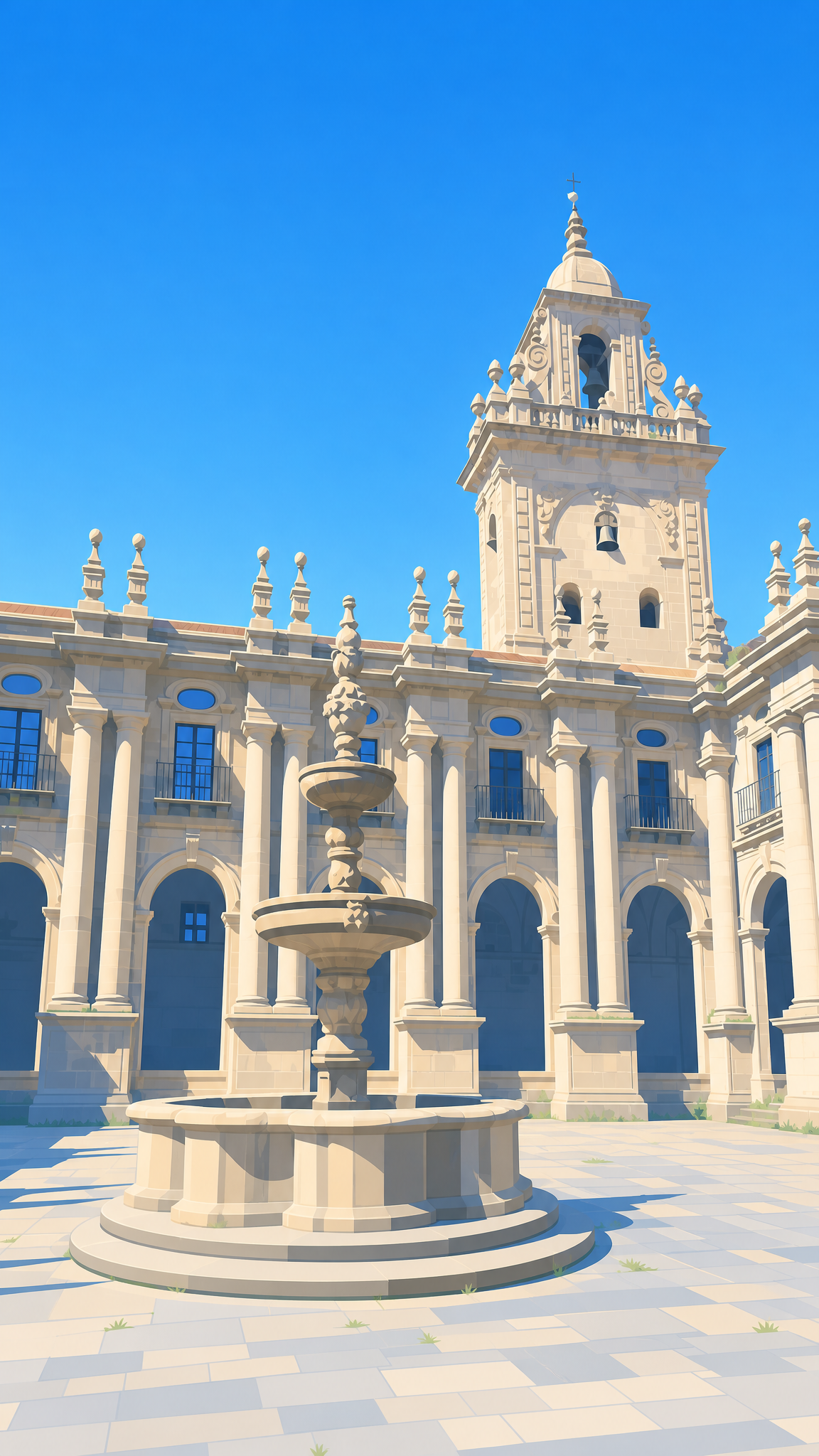
The Diocesan Museum – San Martiño Pinario offers a glimpse into sacred art inside one of the most important historic complexes in Santiago de Compostela. Visitors can see religious objects, liturgical works, and material evidence of diocesan tradition. The museum is best appreciated in the setting of San Martiño Pinario, a former major monastic complex near the cathedral. The visit connects the collection, local religious history, and the building itself, offering a concise but rewarding insight into Compostela’s heritage.
9. Fonseca Gardens
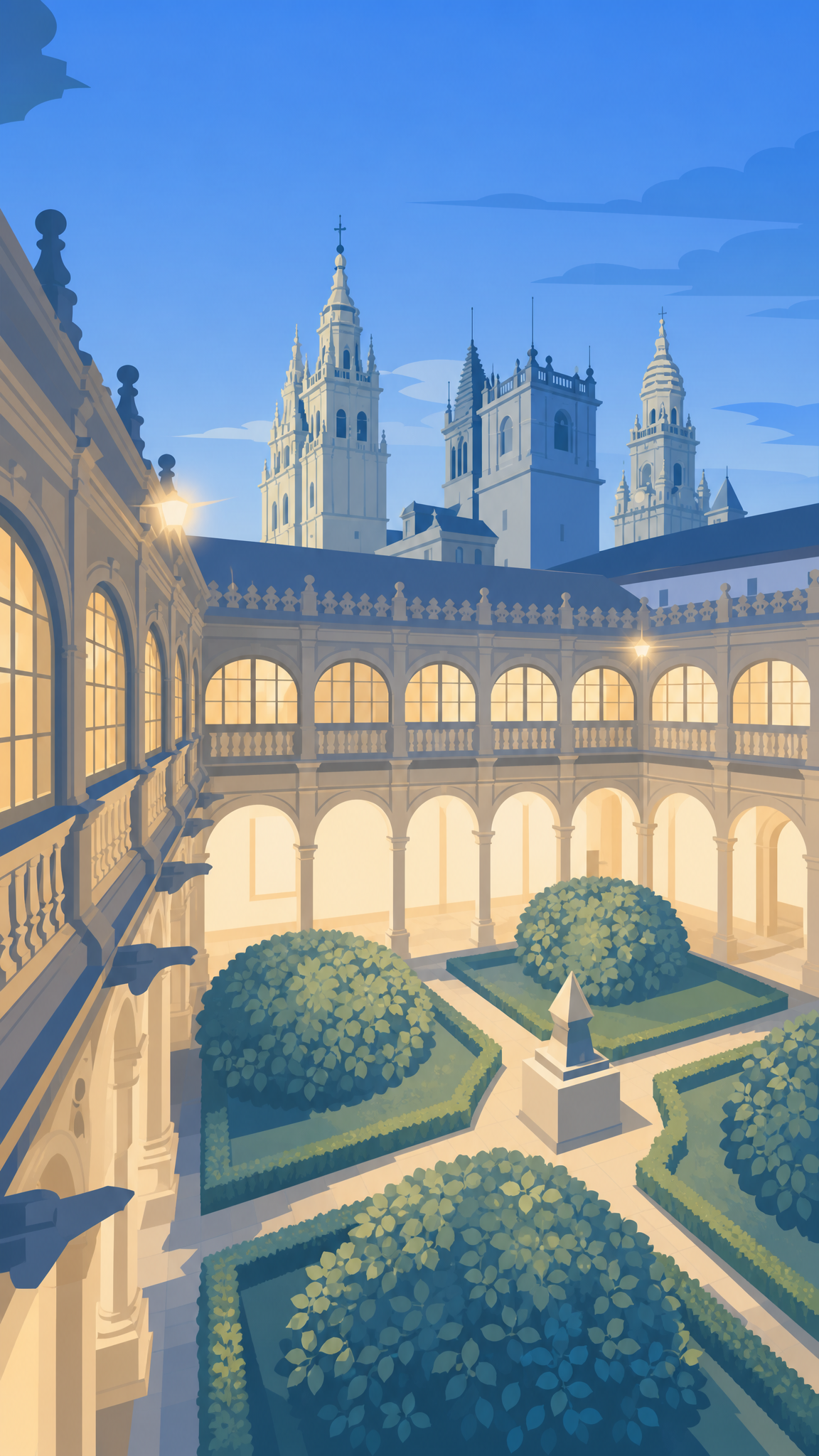
Fonseca Gardens is an urban garden in Santiago de Compostela, offering a green pause in the heart of a very central area. It is a simple space integrated into the city’s historic fabric, where pathways, vegetation, and the surrounding buildings create a calm atmosphere. The site offers a slower pace than the nearby streets while staying close to the main landmarks of the center. It appeals both for its setting and its place in the city’s daily life.
10. Xardíns da Ferradura
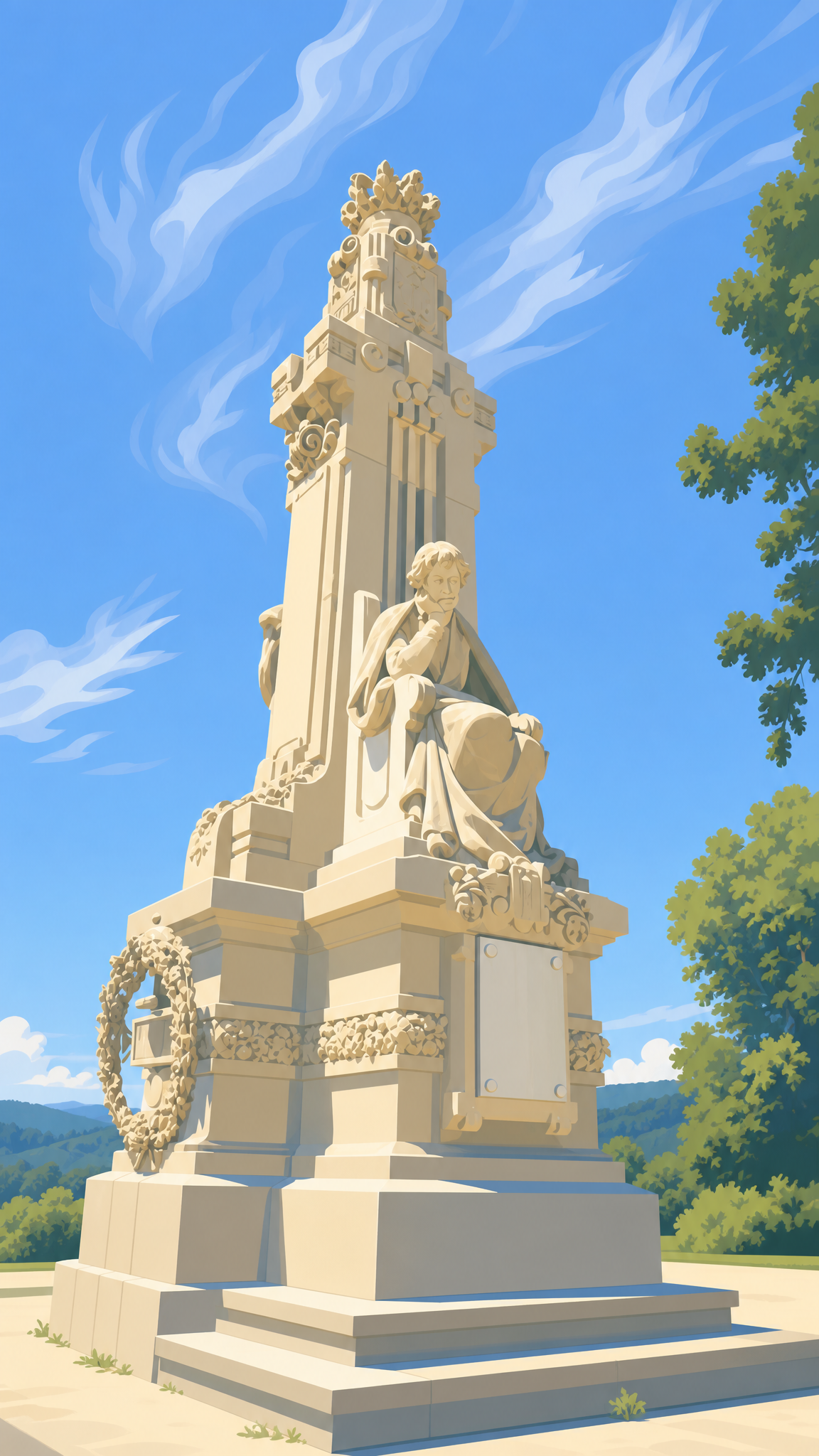
Xardíns da Ferradura is a park in Santiago de Compostela where visitors can enjoy a green space tied to Galician urban life. The site stands out for its public garden character, its location in the city, and its peaceful atmosphere. It offers a more open, leafy side of Santiago de Compostela, complementing the historic streets and major heritage landmarks. While not monumental, the park gives a simple insight into the relationship between landscaped nature and the old city.

Antony M
During my travels, I looked for guides who spoke my language. This search turned out to be long and tedious. That is why I created MYTOGU (My Tourist Guide): a matching site between tourists and professional tourist guides.
