
10 Best Things to Do and See in Syracuse
Exploring Syracuse on foot is one of the best ways to feel the city’s atmosphere, connect its landmark places and discover its neighbourhoods at a more natural pace.
In this guide, you will find the attractions not to miss when planning a walking route in Syracuse, with simple reference points.
To go further, you can also enjoy a private guided tour in Syracuse. It is a smoother way to connect places, understand details you might miss on your own and enjoy a more human, personal discovery adapted to your trip.

1. Temple of Apollo
The Temple of Apollo in Syracuse is one of the city’s most remarkable archaeological sites. Located near the historic center, it preserves the remains of an ancient Greek sanctuary, with several columns and foundations still standing, offering a valuable glimpse into ancient architecture. A visit here reveals a place steeped in history, where the ruins blend with the modern urban landscape. Together, they help you imagine the religious and cultural importance of Syracuse in antiquity, while enjoying a walk through one of the most iconic sites in southern Italy.
2. Arethusa Spring
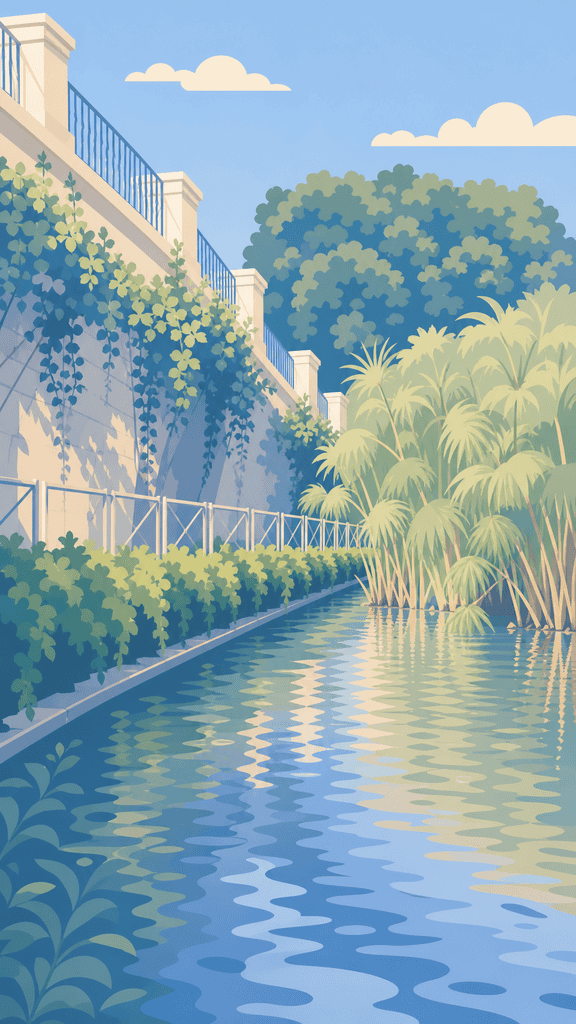
The Fountain of Arethusa, in Syracuse, is a small but iconic natural site located on the Ortigia seafront. Visitors can discover a freshwater spring by the sea, surrounded by a pleasant promenade and coastal views. The spot is appreciated for its peaceful atmosphere, papyrus vegetation, and symbolic importance, linked to the landscapes and legends of the region. It is a simple but essential stop for seeing a distinctive corner where nature blends with Syracuse’s heritage.

3. Cathedral of Syracuse
Syracuse Cathedral, located on the island of Ortigia in the heart of the city, is one of Syracuse’s most iconic landmarks. It features an elegant Baroque façade, solemn interior spaces, and a remarkable blend of architectural elements inherited from different eras. The site also impresses with its religious history and the presence of ancient remains integrated into the building. Visiting it, you can enjoy both the beauty of the cathedral, the peaceful atmosphere of the square, and the charm of the surrounding historic center.

4. Ear of Dionysius
The Ear of Dionysius is a spectacular artificial grotto located in the ancient stone quarries of the Neapolis Archaeological Park in Syracuse. Known for its slender shape and tall cavern, it impresses as much by its size as by its distinctive acoustics, which amplify sounds inside. A visit lets you admire this unusual site, carved into the rock, where nature and human craftsmanship blend in a striking way. It is a must-see stop for discovering the archaeological and mineral atmosphere of Syracuse.
5. Fountain of Diana
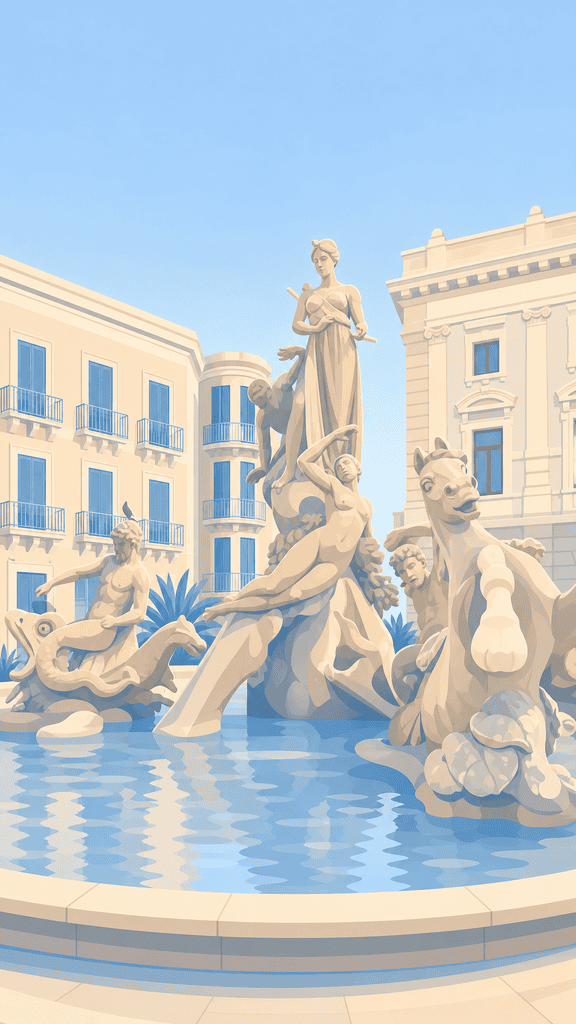
The Fountain of Diana, in the heart of Syracuse in Sicily, is an elegant monumental fountain that attracts visitors to a lively city square. It stands out for its refined sculptural composition, where water, stone, and mythological figures create a harmonious and highly photogenic whole. Located in the historic center, it offers a pleasant stop during a walk among shops, cafés, and old buildings. It is a favorite spot for its charm, lively atmosphere, and decorative value within Syracuse’s urban landscape.

6. Madonna delle Lacrime Basilica-Shrine
The Basilica-Sanctuary of Madonna delle Lacrime, in Syracuse, stands out for its modern architecture and slender silhouette visible from afar. This place of worship impresses as much with its vast, bright interior as with its contemplative atmosphere, ideal for prayer and reflection. Visitors discover an important Marian sanctuary, where religious art, spaces for quiet devotion and plays of light create a unique experience. Located in the historic city, it also offers a striking contrast with Syracuse's ancient heritage.
7. Archimede & Leonardo da Vinci Museum
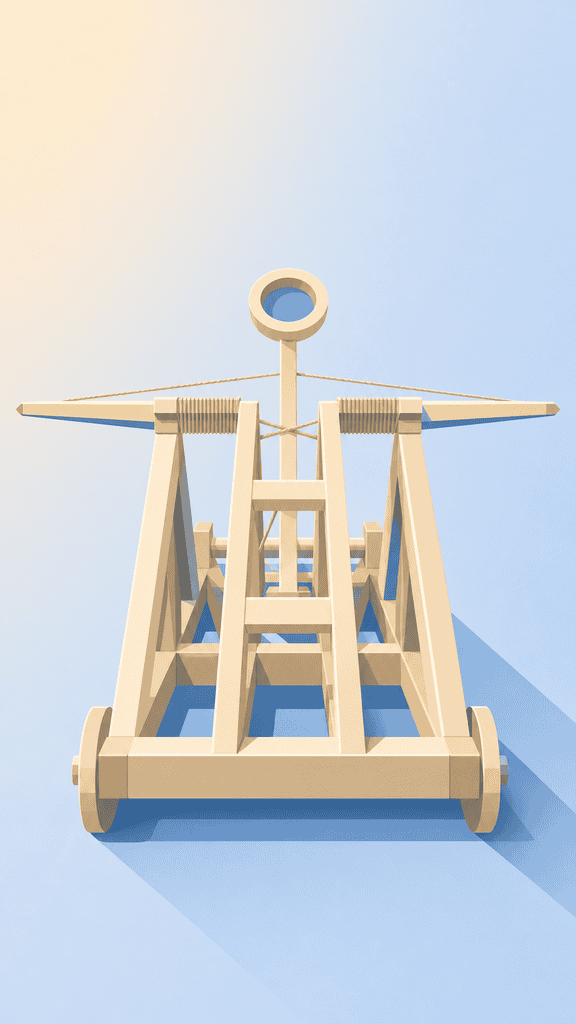
In Syracuse, the Archimede & Leonardo da Vinci Museum offers a fun and scientific introduction to the inventions and engineering principles associated with two great names in the history of science. Visitors can explore models, mechanisms, and interactive displays that help explain how machines, lifting systems, measuring devices, and experiments related to physics and mechanics work. The visit is designed for curious travelers and families alike, with an educational approach that highlights ingenuity, observation, and hands-on experimentation.
8. Catacombs of San Giovanni
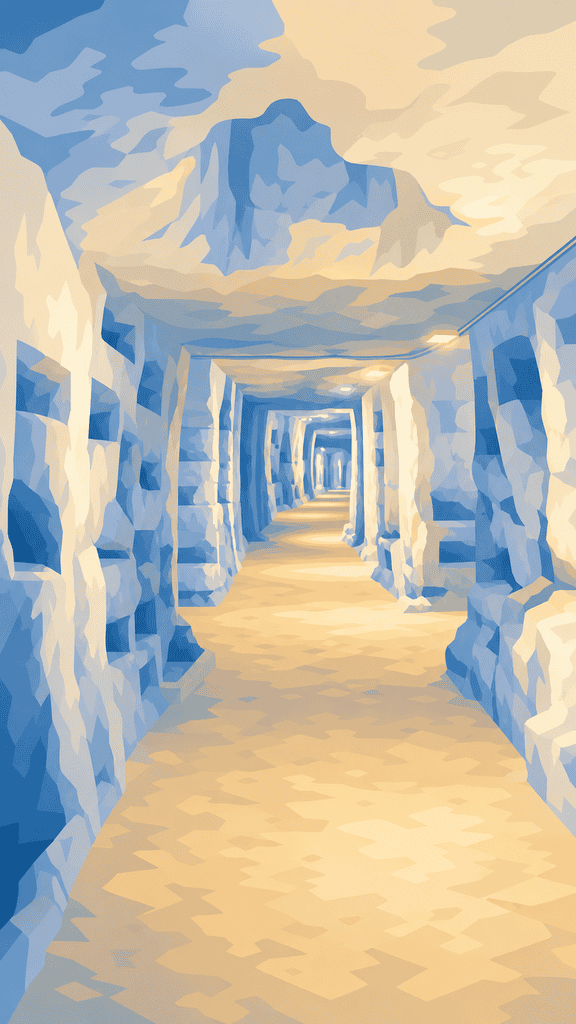
In Syracuse, the Catacombs of San Giovanni immerse visitors in a vast underground network carved into the rock, where galleries, corridors, and funerary spaces reveal the city’s ancient practices. This cultural monument offers a striking atmosphere, with silence, dim light, and archaeological traces. The visit lets you observe the layout of this early Christian site and better understand the importance of underground burial places in local history. It is a route that is historical, spiritual, and unusual all at once.
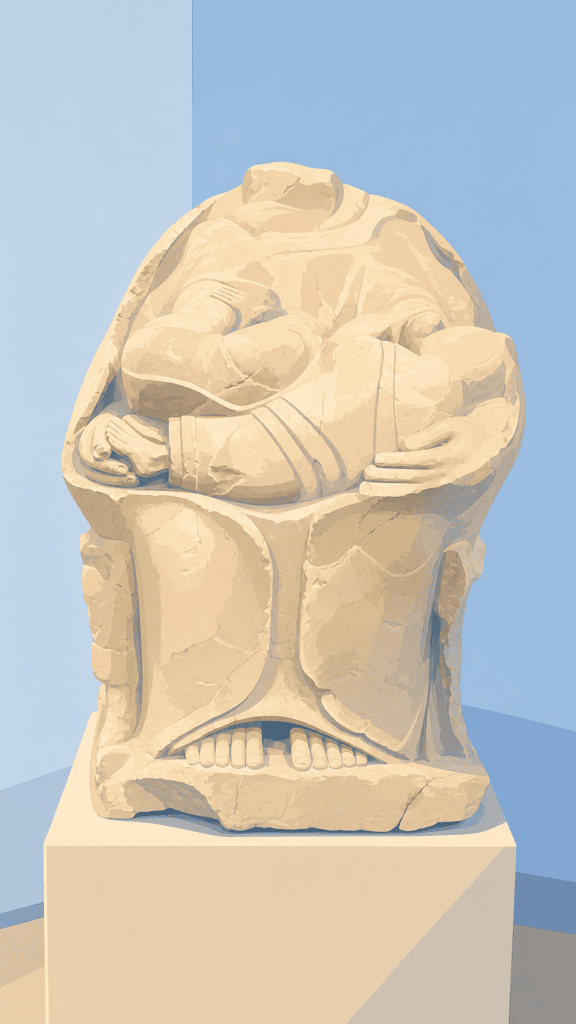
9. Paolo Orsi Regional Archaeological Museum of Syracuse
The Paolo Orsi Regional Archaeological Museum of Syracuse is one of Sicily’s major archaeological museums. It features a rich collection of objects from Syracuse and other sites in the region, with remains spanning long periods of ancient history. The exhibition includes sculptures, ceramics, coins, inscriptions and objects related to daily life, offering a vivid insight into Greek, Roman and prehistory civilizations. It is a must-see visit for anyone wanting to better understand the history of Syracuse and Sicily.

10. Basilica of Saint Lucy at the Sepulchre
The Basilica of Saint Lucy at the Sepulchre, in Syracuse, is a peaceful place of worship that attracts both visitors and the faithful. Here, you will find a church dedicated to Saint Lucy, a highly important figure in the city, in a setting steeped in reflection. The building stands out for its solemn atmosphere, its prayer spaces, and its artistic and religious significance. A visit lets you appreciate the local sacred architecture and understand the central place of this basilica in Syracuse’s tradition.

Antony M
During my travels, I looked for guides who spoke my language. This search turned out to be long and tedious. That is why I created MYTOGU (My Tourist Guide): a matching site between tourists and professional tourist guides.
