
12 Best Things to Do and See in Trier
Exploring Trier on foot is one of the best ways to feel the city’s atmosphere, connect its landmark places and discover its neighbourhoods at a more natural pace.
In this guide, you will find the attractions not to miss when planning a walking route in Trier, with simple reference points.
To go further, you can also enjoy a private guided tour in Trier. It is a smoother way to connect places, understand details you might miss on your own and enjoy a more human, personal discovery adapted to your trip.
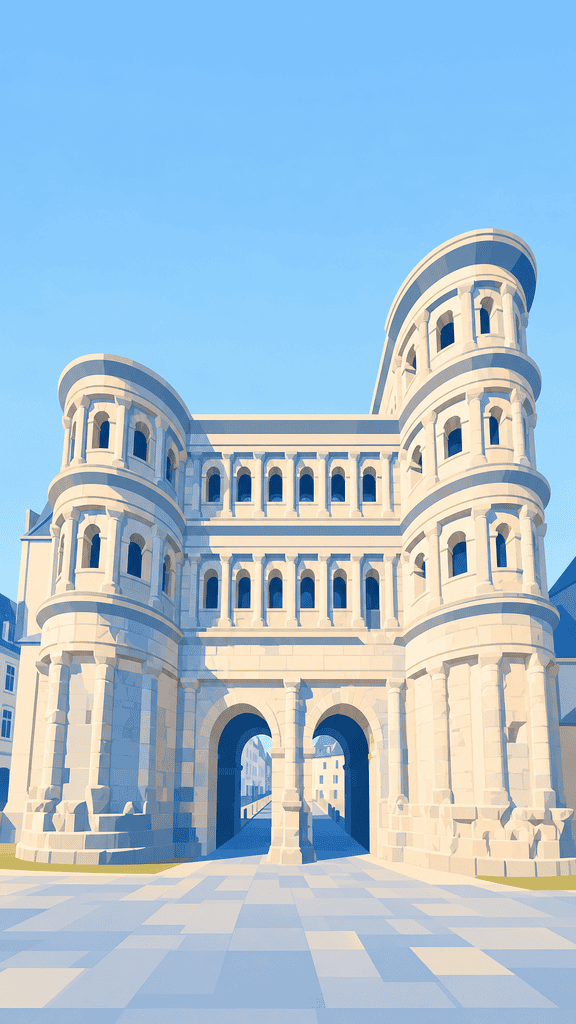
1. Porta Nigra
Porta Nigra in Trier is one of Germany’s most iconic Roman monuments. This great fortified gate in dark stone impresses with its ancient architecture and remarkable state of preservation. Discover its massive towers, stacked openings and visible traces of history. In the heart of the city, it offers a striking glimpse into Trier’s Roman past and is a must-see for visitors interested in heritage and historic sites.
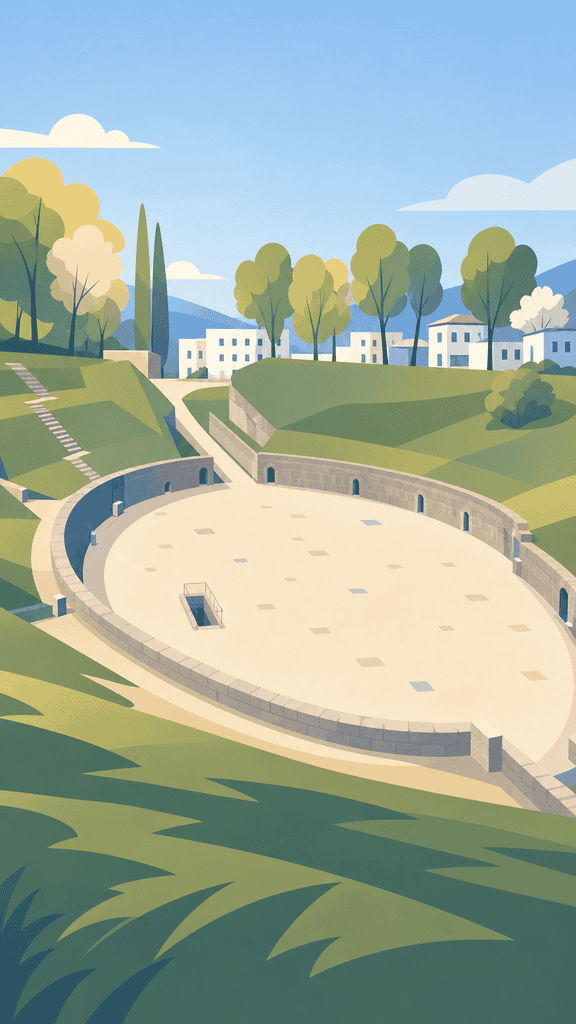
2. Trier Amphitheatre
Trier Amphitheatre is an impressive Roman historic site in Trier, Germany. Explore stone seating, the elliptical arena, and a large ancient venue's typical layout.
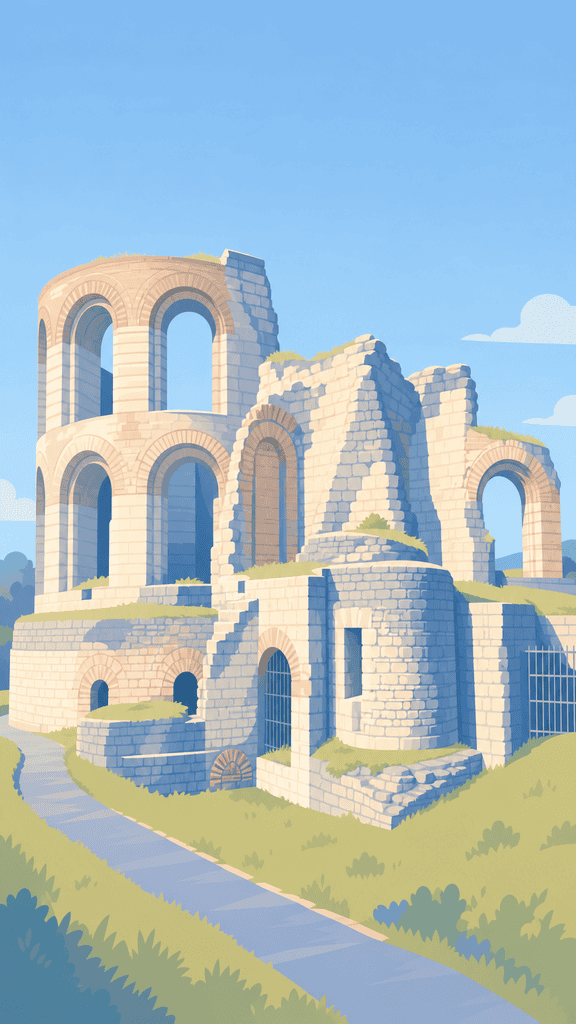
3. Imperial Baths
In Trier, the Imperial Baths offer an impressive glimpse into the city’s Roman past. This major historic site showcases the monumental remains of an ancient thermal complex, with stone structures, vaults and spaces once used for public bathing. As you explore the site, you can feel the scale of Roman architecture and the importance of the baths in everyday life at the time. It is a particularly rewarding visit for understanding how this ancient heritage still shapes the modern cityscape.
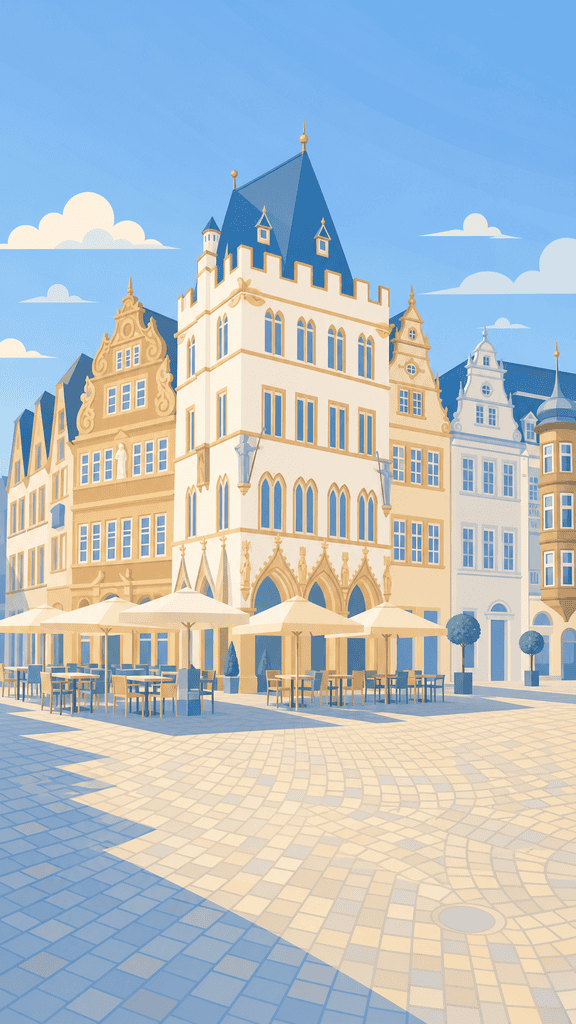
4. Trier Main Market Square
In the heart of Trier, Trier Main Market Square offers a lively historic setting where visitors can discover one of the city’s most iconic urban spaces. Around the square, old façades, shops, terraces and notable buildings create a vibrant atmosphere that blends heritage with everyday life. It is an ideal place to admire the architecture of the city centre, take a break near the surrounding lanes and experience the local mood. Main Market Square is a must-see landmark for exploring Trier’s historic centre.
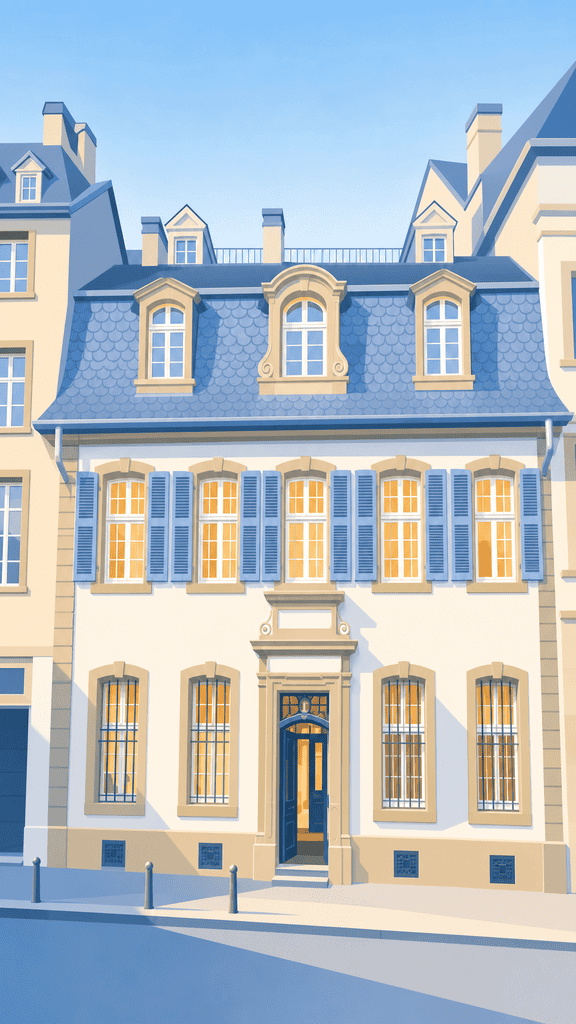
5. Karl Marx House Museum
The Karl Marx House Museum in Trier is housed in Karl Marx’s birthplace and offers a visit focused on the life, work, and intellectual background of this major thinker. Discover documents, objects, and exhibits tracing his journey, ideas, and lasting influence on social and political history. The museum also provides a glimpse into 19th-century Germany in a historic setting that helps visitors better understand the environment in which Marx grew up and developed his thinking.
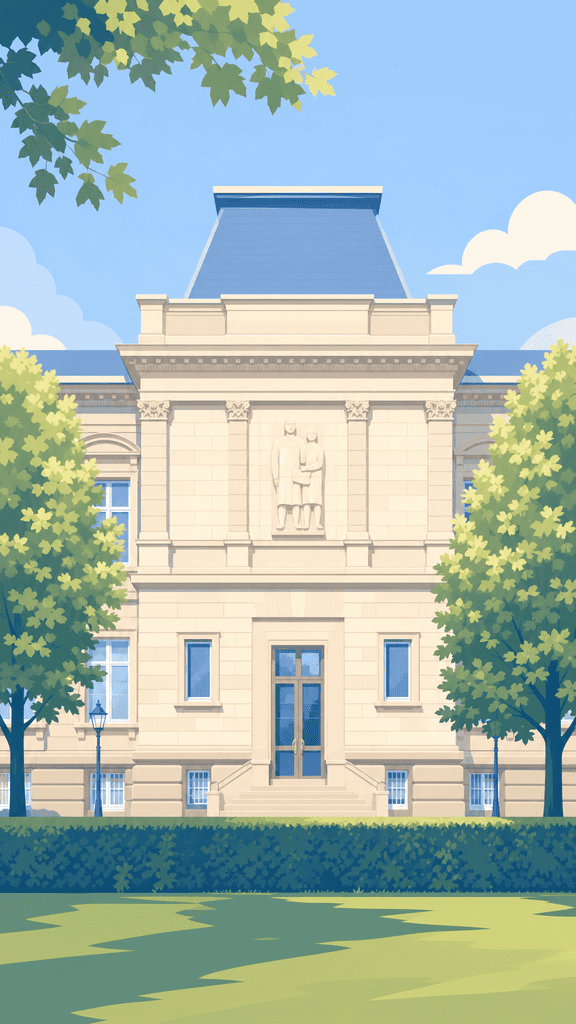
6. Rhenish State Museum Trier
The Rhenish State Museum Trier is one of Germany’s leading archaeology museums and an ideal stop for discovering the history of the Rhineland. Explore rich collections of Roman remains, everyday objects, sculptures, mosaics and funerary artifacts that illuminate life in Trier and its region through the centuries. The museum also offers historical context exhibitions that make Antiquity more accessible, in a cultural setting appreciated by visitors interested in history and archaeology.
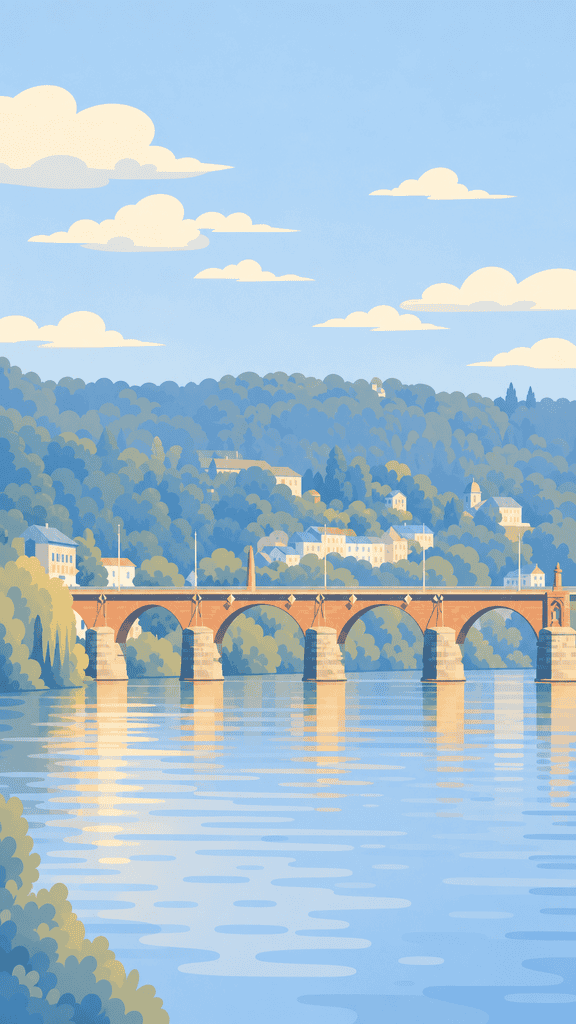
7. Roman Bridge of Trier
The Roman Bridge of Trier is one of the city’s most iconic landmarks, spanning the Moselle. Visiting it means admiring an ancient structure still woven into the urban landscape, with its stone arches and sturdy silhouette. The site offers lovely views of the river and Trier’s banks, while recalling the region’s rich history. It is an enjoyable place for a walk, easy to access and full of character, appealing to history lovers and visitors looking for scenic views alike.
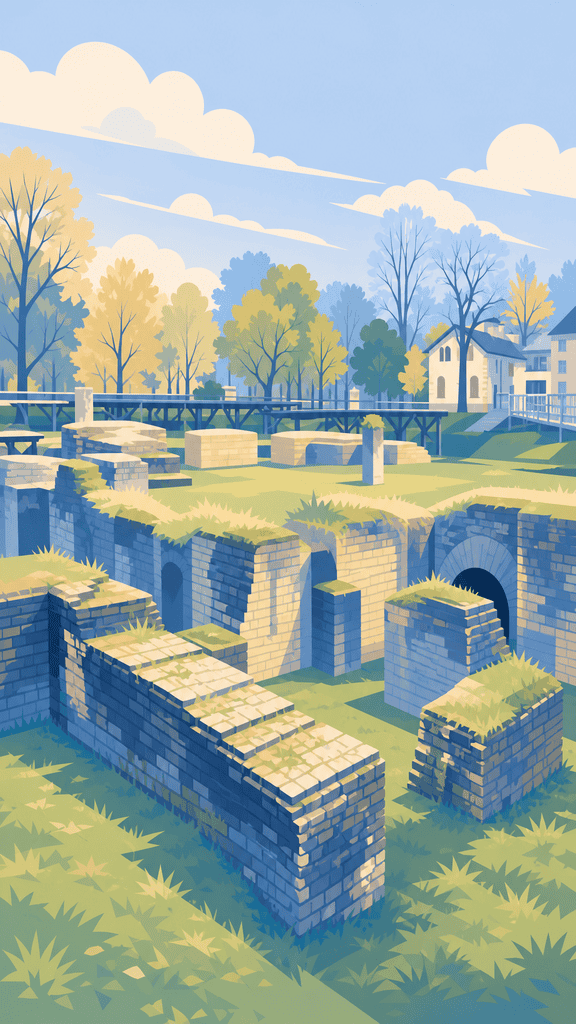
8. Barbara Baths
Barbara Baths in Trier are among Germany’s most impressive Roman remains. This vast archaeological site reveals the ruins of an ancient bath complex, with halls, corridors, and stone structures still partly exposed. Walking through the site, visitors can imagine the scale of public baths in Roman times and the daily life of the ancient city. It is a fascinating journey into Trier’s history, between monumental ruins and a quiet atmosphere.
9. Church of Our Lady of Trier
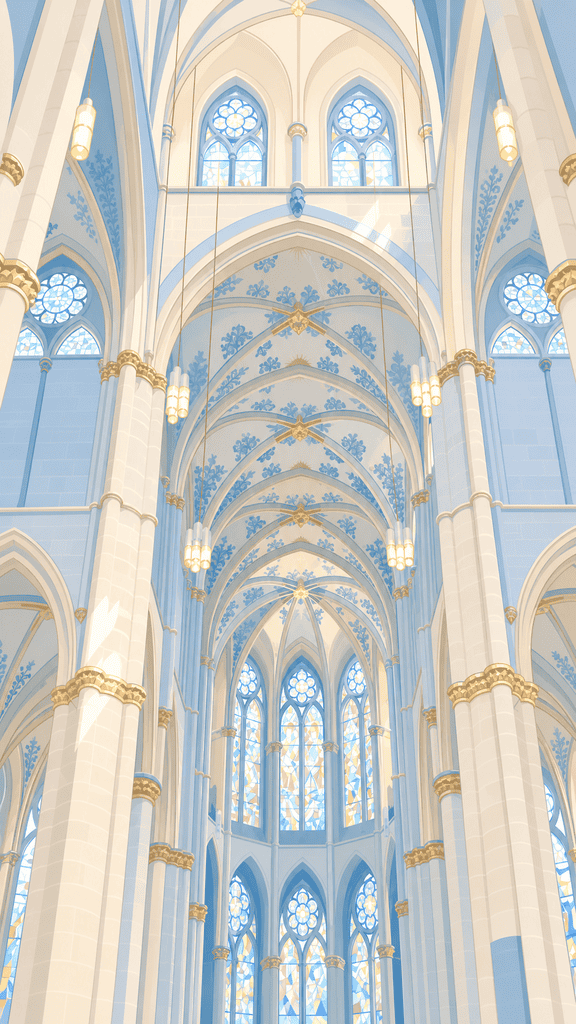
The Church of Our Lady of Trier, in the heart of Trier, is one of the city’s most remarkable religious buildings. This Catholic church attracts visitors with its elegant Gothic architecture and peaceful atmosphere. Explore its soaring vaults, bright interior, and sculpted details, which reflect the craftsmanship of the period. Set within an exceptional heritage ensemble, it is a rewarding stop for travelers who want to discover Trier’s religious and artistic history while enjoying a quiet, contemplative place to visit.
10. Petrispark
Petrispark is a large state park in Trier, offering a peaceful green escape within the urban fabric. Visitors can enjoy lawns, trees, and walking paths arranged for simple public use, focused on strolling and relaxing. Its location on Behringstraße in southern Trier gives it a special place between a residential area and a more open setting. The site is best understood as a city landscape, where nature is integrated into the urban environment.
11. Saint George Fountain
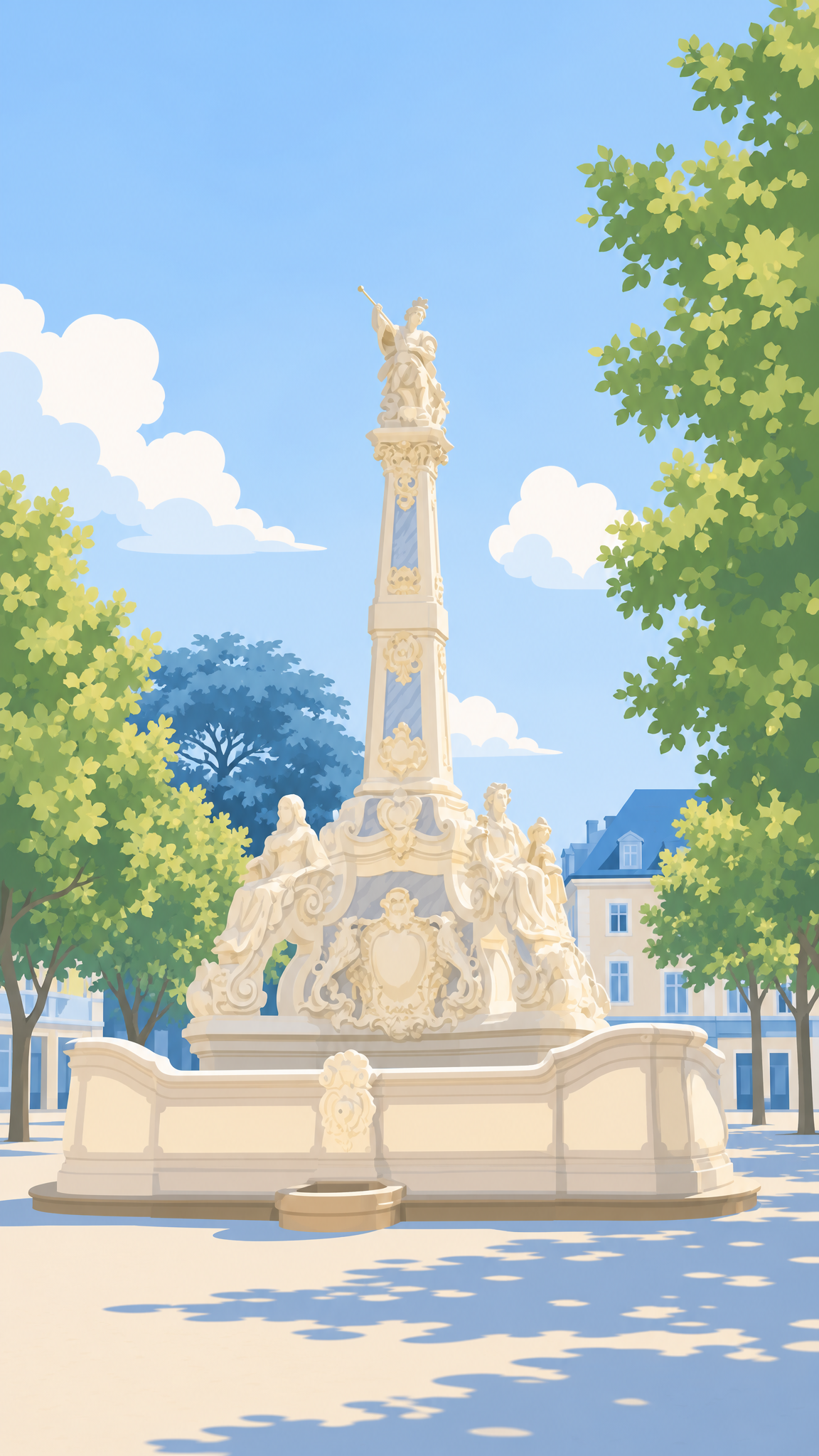
Saint George Fountain in Trier stands out for its presence in the city’s historic fabric. Located on Johann-Philipp-Straße, it sits in an urban setting where public details matter as much as better-known landmarks. Its name suggests a cultural and religious reference, while its role as a fountain highlights the lasting importance of water in European city planning. It is a modest yet meaningful feature of Trier’s landscape, between local memory and everyday use.
12. House of the Three Kings
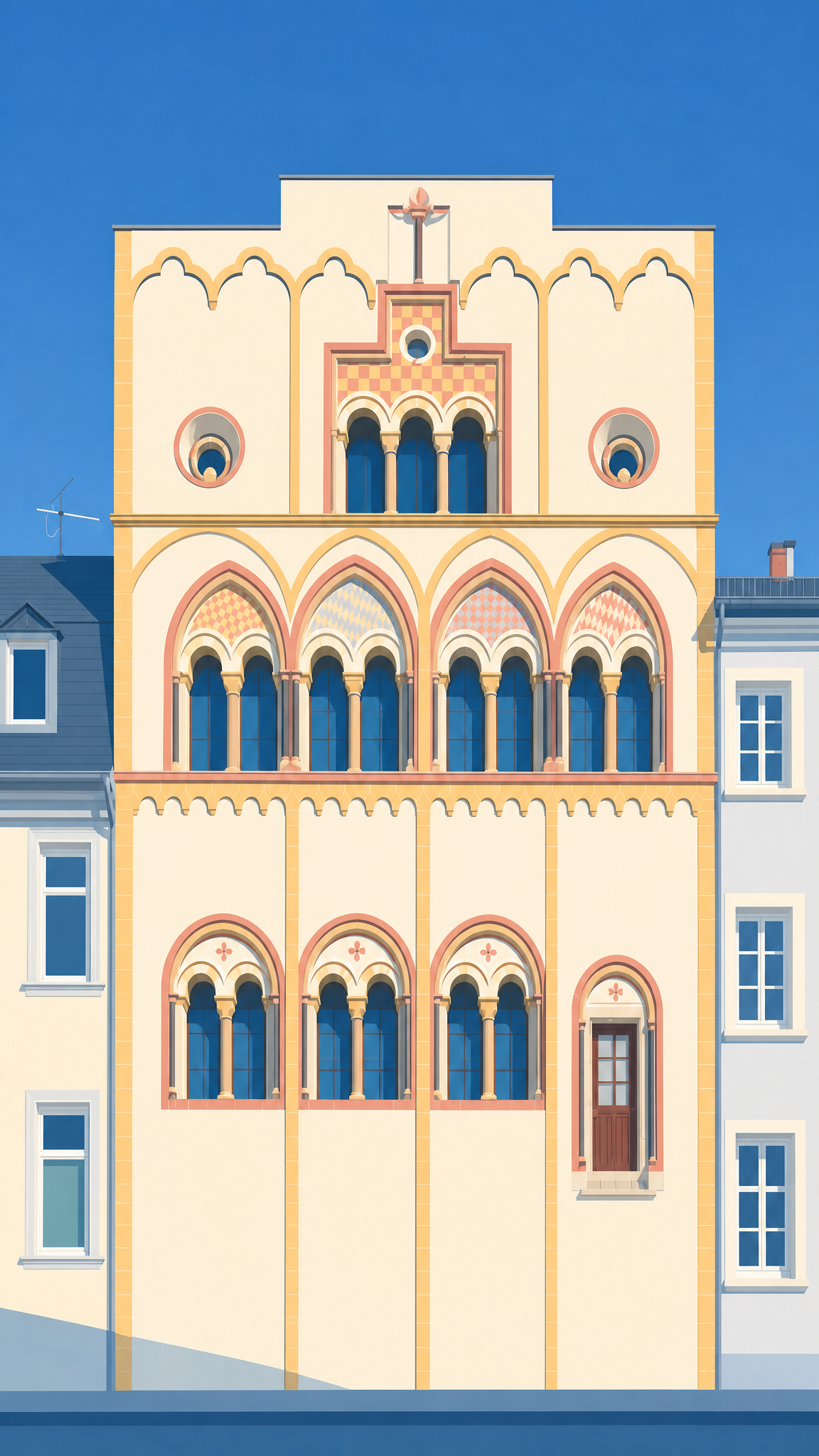
The House of the Three Kings is a historic site in the center of Trier, on Simeonstraße, just steps from the Porta Nigra. It sits in an area where the old town remains highly visible, among notable monuments and more discreet houses. This place is especially interesting for its heritage value and its role in Trier’s urban landscape. It offers a concrete point of reference for observing the evolution of the historic center and the city’s architectural continuity.

Antony M
During my travels, I looked for guides who spoke my language. This search turned out to be long and tedious. That is why I created MYTOGU (My Tourist Guide): a matching site between tourists and professional tourist guides.
