
16 Best Things to Do and See in Ushuaia
Exploring Ushuaia on foot is one of the best ways to feel the city’s atmosphere, connect its landmark places and discover its neighbourhoods at a more natural pace.
In this guide, you will find the attractions not to miss when planning a walking route in Ushuaia, with simple reference points.
To go further, you can also enjoy a private guided tour in Ushuaia. It is a smoother way to connect places, understand details you might miss on your own and enjoy a more human, personal discovery adapted to your trip.

1. Ushuaia Maritime Museum and Former Presidio
The Ushuaia Maritime Museum and Former Presidio is one of the city’s must-see cultural sites. Housed in a former prison building, it offers a journey through Ushuaia’s maritime, penal and local past across several exhibition spaces. Visitors can explore collections on naval history, seafaring in Tierra del Fuego, and the lives of former prisoners and the southern region. The museum also reveals the site’s architectural heritage, in an atmosphere full of memory and character.

2. Tierra del Fuego National Park
At the far south of Argentina, near Ushuaia, Tierra del Fuego National Park offers a spectacular landscape of mountains, subantarctic forests, peat bogs and rugged coasts shaped by bays and fjords. Visitors can enjoy hiking trails, viewpoints over the Beagle Channel and diverse local wildlife in a protected natural setting. The park also charms with its wild, peaceful atmosphere, ideal for discovering the nature of Tierra del Fuego and enjoying an iconic scene of southern Patagonia.
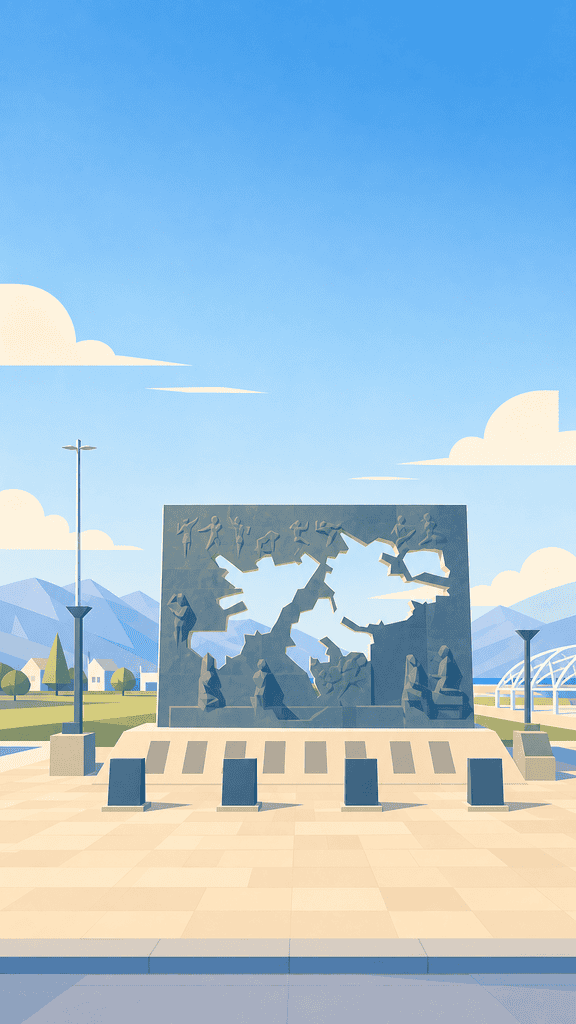
3. Islas Malvinas Square
Islas Malvinas Square in Ushuaia is a peaceful public space where locals and visitors come to stroll, relax and enjoy an open setting in the heart of the city. Discover a pleasant park with walking paths, green areas and a calm atmosphere, perfect for a break. Its central location makes it a convenient stop to observe local life and enjoy the feel of Tierra del Fuego’s capital, between nature, sea air and urban scenery.

4. Laguna Esmeralda
Laguna Esmeralda near Ushuaia, Argentina, is a popular natural site known for its Patagonian scenery. Discover a bright green lake surrounded by forests, peat bogs and mountains in wild Tierra del Fuego. Hikers love the accessible trail and peaceful views, which change with the light and weather. It is an ideal excursion to observe local nature and enjoy a grand, pristine, photogenic setting.

5. End of the World Museum
The End of the World Museum in Ushuaia offers a fascinating look at the history and unique character of Tierra del Fuego. Discover exhibits on local life, Indigenous peoples, navigation and exploration in Argentina’s far south. A great visit to understand the spirit of the “end of the world”.

6. Martial Glacier, Ushuaia
Martial Glacier, in the heights above Ushuaia, offers a spectacular natural setting to discover southern Patagonia. This park lets visitors enjoy hiking trails with beautiful views of the city, the Beagle Channel, and the surrounding mountains. As you make your way up toward the glacier, you pass through a landscape of forests, rock, and snow depending on the season, in a wild and unspoiled setting. It is a popular spot for walking, admiring the scenery, and breathing in the pure air of Tierra del Fuego.

7. End of the World Sign
The End of the World Sign is an iconic stop in Ushuaia, often presented as the southernmost city in the world. Set near the waterfront, it draws visitors eager to capture a photo at the “end of the world” with views of the harbor, mountains, and Patagonian landscape. This simple but highly photogenic spot evokes the far south of Argentina and the end-of-the-world atmosphere that made Ushuaia famous. It is a popular landmark for an essential souvenir photo.

8. Ushuaia Sign
Ushuaia Sign is a popular stop for visitors in Argentina, especially for its famous sign marking the country’s southernmost city. Set in the spectacular Tierra del Fuego landscape, it is an ideal place for a souvenir photo and to enjoy Ushuaia’s unique atmosphere, between the sea, mountains and subpolar climate. Above all, it is a powerful symbol of the end of the world, often associated with local identity and arrival in an iconic Patagonian destination.

9. Les Éclaireurs Lighthouse
Off the coast of Ushuaia, Les Éclaireurs Lighthouse stands on a rocky islet in the Beagle Channel, in the spectacular maritime scenery of Tierra del Fuego. This small white and red lighthouse, best seen on boat tours, is one of the region’s iconic sights. Visitors discover a remote site swept by the wind and surrounded by often dark waters, where nature dominates completely. The area offers beautiful views over the archipelago, seabirds, and the dramatic landscapes at the end of the world.
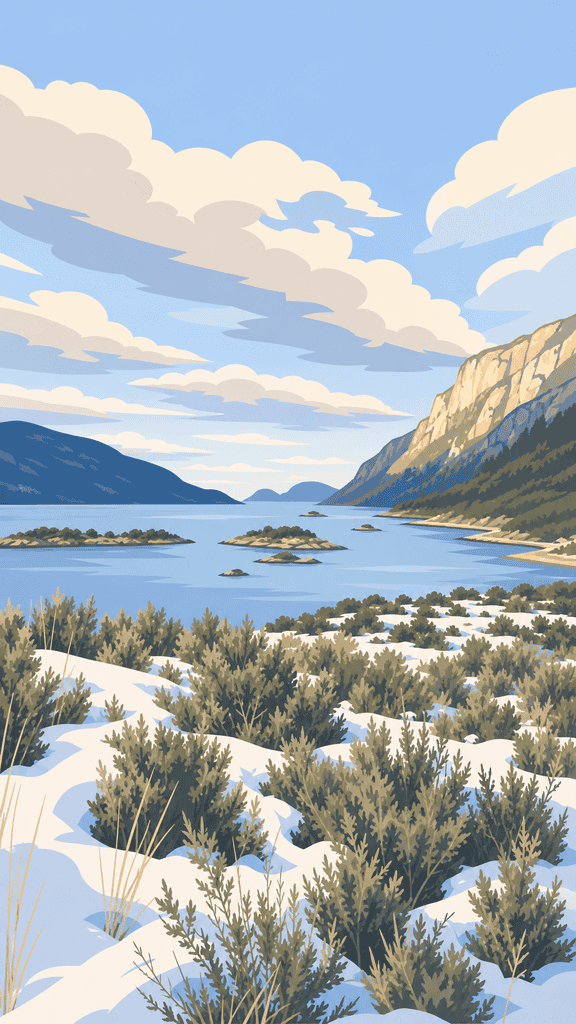
10. Lapataia Bay
Lapataia Bay, located at the gates of Ushuaia in Tierra del Fuego National Park, offers an iconic landscape of southern Patagonia. Here, you can discover a vast bay lined with forests, peat bogs, and mountains, where the sea blends with the surrounding relief in a peaceful, wild setting. The site is popular for its hiking trails, viewpoints, and end-of-the-world atmosphere. It is also an excellent place to observe nature and enjoy the park’s preserved environment.

11. Siberianos de Fuego
Siberianos de Fuego is a park and hiking trail in Ushuaia, in Tierra del Fuego Province. The place immediately evokes the southern atmosphere of the city, with open spaces, rugged terrain and a climate shaped by its extreme latitude. Exploring this site reveals a walking area linked to Fuegian nature, on the outskirts of or within Ushuaia, where a stroll becomes part of an edge-of-the-world landscape. Its appeal lies as much in its atmosphere as in its role as an outdoor route.
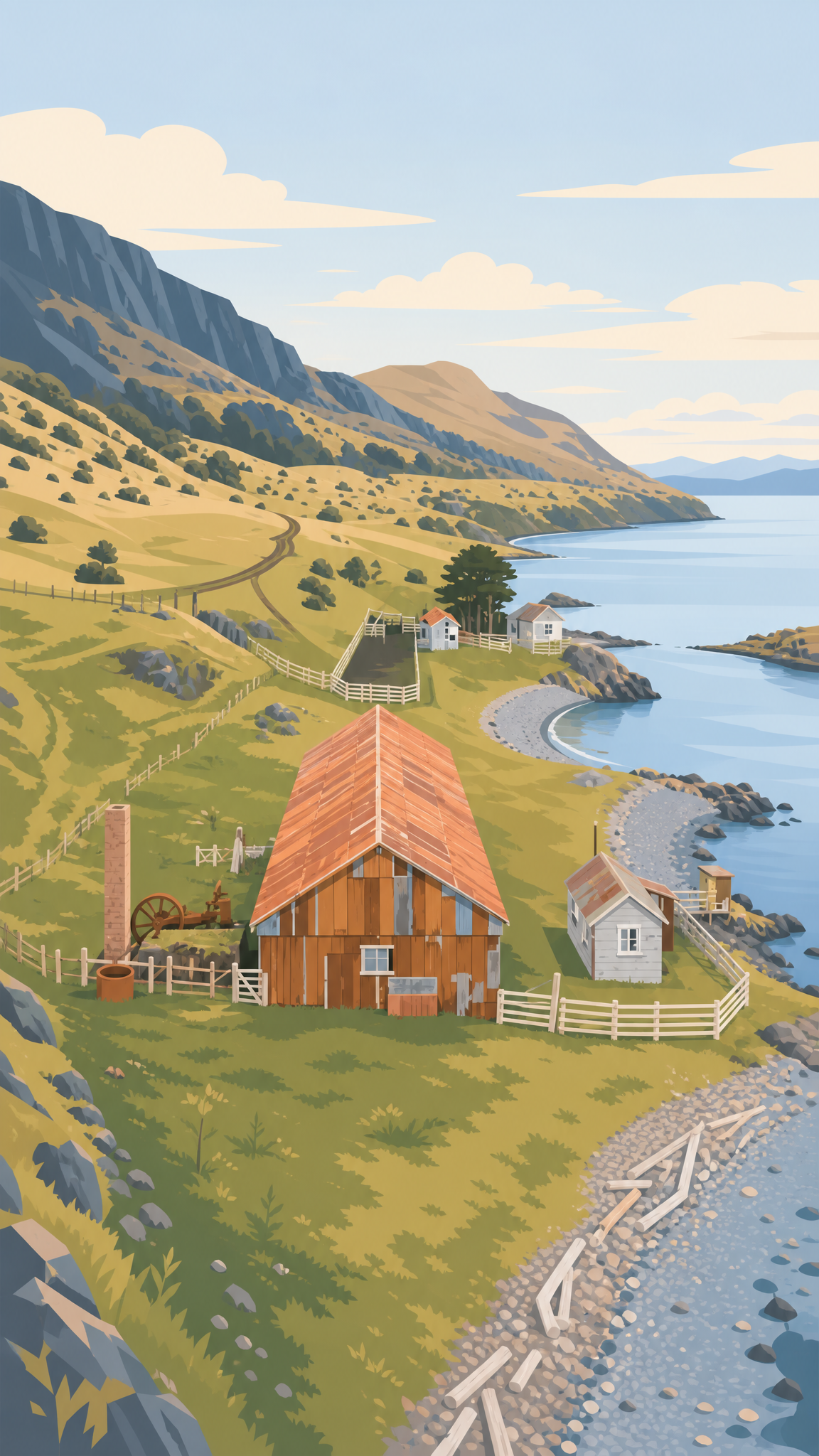
12. Estancia Túnel
Estancia Túnel is a historic site in Ushuaia that recalls Tierra del Fuego’s rural past. Near the Beagle Channel, it sits in a stark landscape that reveals the link between human settlement and the southern environment. The place evokes the world of Patagonian estancias, with their cattle-raising traditions and daily life in an isolated territory. Its value lies in both its memory and its natural setting, which gives the site a very distinctive Ushuaia atmosphere.

13. Hammer Island
Hammer Island is a nature reserve island near Ushuaia, located in the Beagle Channel in southern Argentina. The site is defined less by facilities than by its marine setting, isolation, and scenic value. It reflects the stark geography of Tierra del Fuego, with cold waters, low shores, and a habitat that supports coastal life. Its appeal lies in its place within a protected environment, close to the city yet shaped by preserved southern nature.
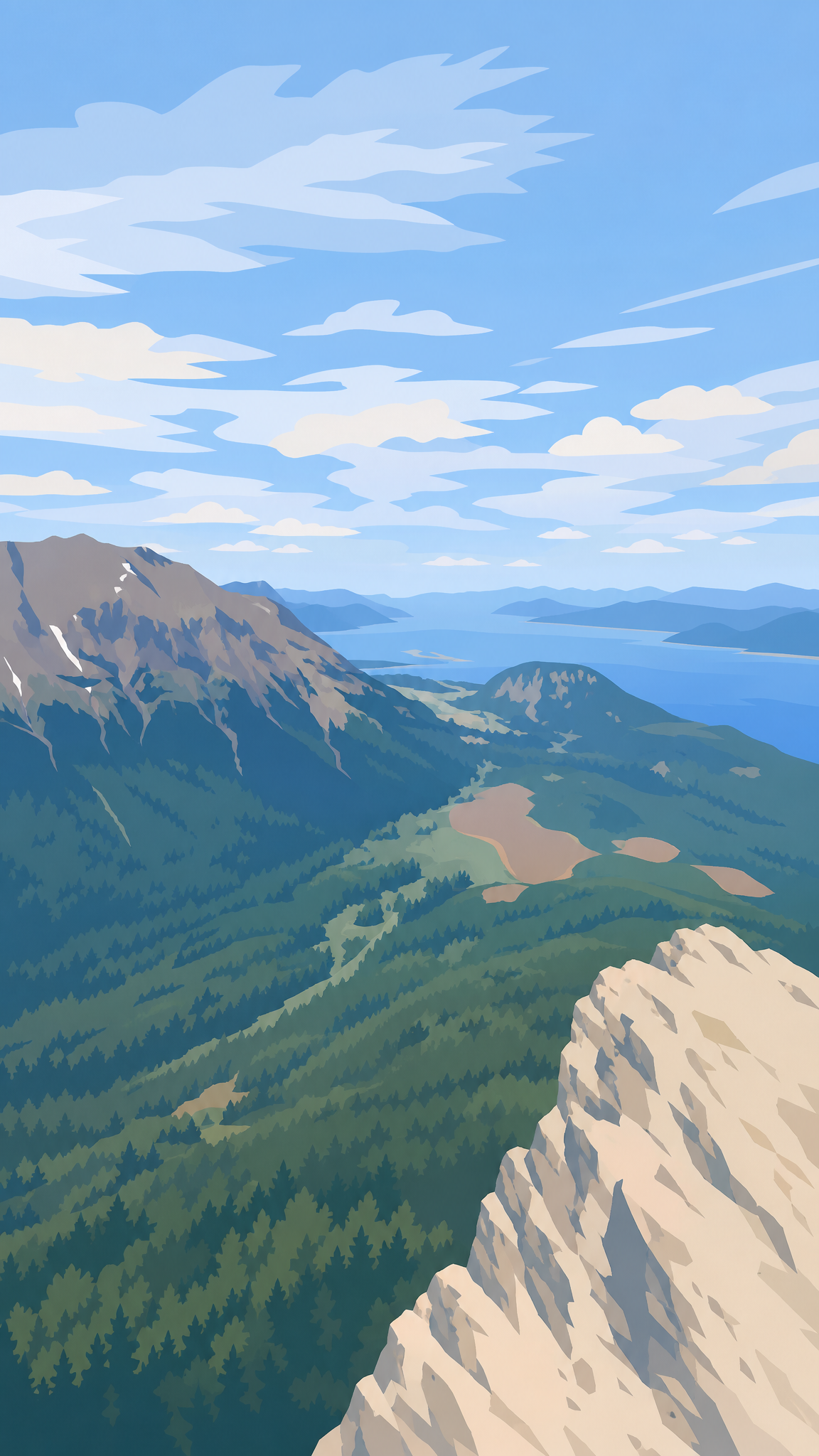
14. Cerro Guanaco
Cerro Guanaco is one of the best viewpoints in Tierra del Fuego National Park near Ushuaia. This hill reveals a striking mix of low mountains, southern forests, peat bogs and glacial valleys. It stands out for the distinct atmosphere of Tierra del Fuego, where wind, light and vast landscapes create a true edge-of-the-world setting. From here, travelers can better understand southern Argentina’s geography and the diversity of protected nature around Ushuaia.

15. City Museum
The City Museum of Ushuaia is a municipal museum dedicated to the city's memory and identity. Located on Maipú Avenue, it offers a concrete look at local history, urban life, and the development of Tierra del Fuego's main city. Visitors discover key points that help explain how Ushuaia grew in a demanding southern environment, shaped by territory, navigation, human settlement, and the building of the city.

16. Museo de Arte Marino Ushuaia
Museo de Arte Marino Ushuaia offers an immersion into a world where art meets the sea. Located in Ushuaia, it highlights a theme closely tied to the city’s geography and maritime life. Visitors discover a cultural space centered on artistic expression inspired by the ocean, in a setting that echoes the southern character of Tierra del Fuego. This museum offers an original perspective on the relationship between territory, landscape, and creativity.

Antony M
During my travels, I looked for guides who spoke my language. This search turned out to be long and tedious. That is why I created MYTOGU (My Tourist Guide): a matching site between tourists and professional tourist guides.
