
10 Best Things to Do and See in Yogyakarta
Exploring Yogyakarta on foot is one of the best ways to feel the city’s atmosphere, connect its landmark places and discover its neighbourhoods at a more natural pace.
In this guide, you will find the attractions not to miss when planning a walking route in Yogyakarta, with simple reference points.
To go further, you can also enjoy a private guided tour in Yogyakarta. It is a smoother way to connect places, understand details you might miss on your own and enjoy a more human, personal discovery adapted to your trip.

1. Beringharjo Traditional Market
Beringharjo Traditional Market in Yogyakarta is one of the liveliest places in the city center, where visitors can experience the everyday atmosphere of a large Indonesian market. You’ll find stalls selling clothing, batik, fabrics, souvenirs, spices, local products, and small specialties to sample on the spot. It’s also a favorite place to observe local life, bargain while wandering through the aisles, and soak up the mix of scents, colors, and sounds that make this popular market so charming.
2. Yogyakarta Tugu Monument
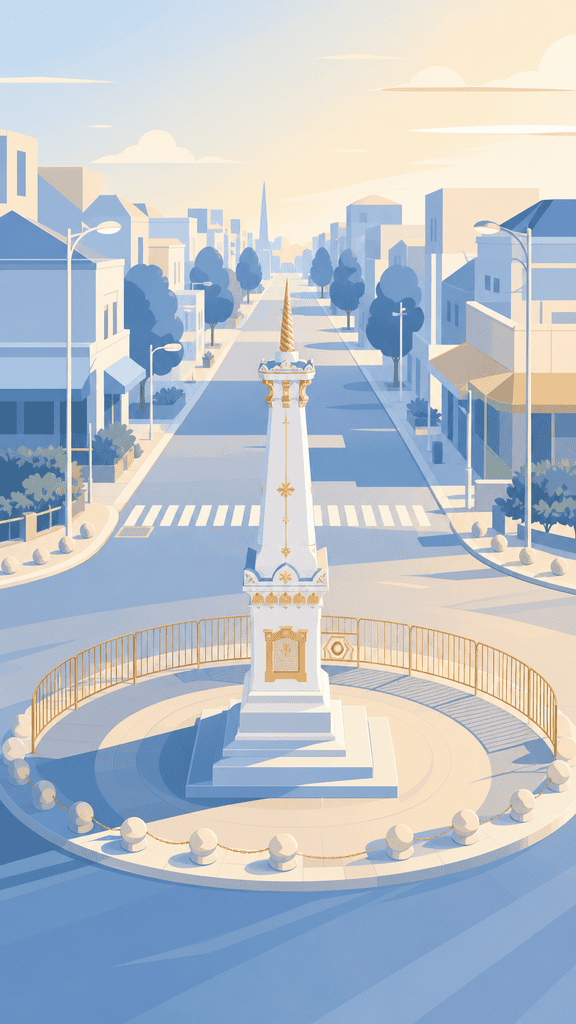
At the heart of Yogyakarta, the Tugu Yogyakarta monument is an iconic city landmark, easily recognized by its slender silhouette. This historic site attracts visitors for its symbolic value and central location, in the middle of a lively district where locals, scooters, and travelers pass by. It is a popular stop for taking photos, observing the urban atmosphere, and feeling the identity of Yogyakarta. Both simple and widely known, the monument is an ideal reference point for exploring the city.
3. Keraton Ngayogyakarta Hadiningrat
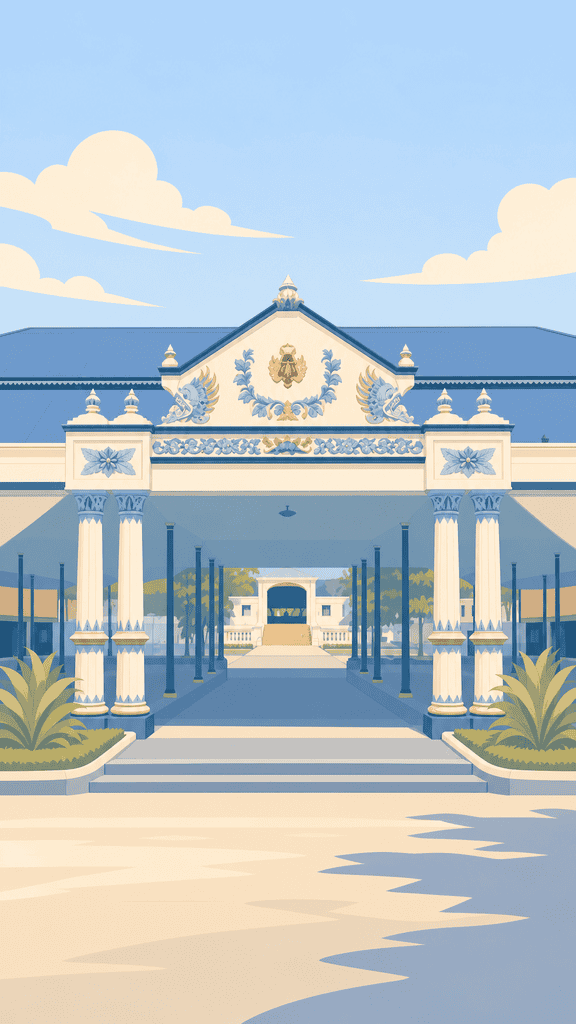
The Keraton Ngayogyakarta Hadiningrat is the royal palace of Yogyakarta, in the heart of the island of Java, and one of the city’s most iconic landmarks. Visiting it lets you discover a traditional Javanese architectural complex made up of pavilions, courtyards, gardens, and ceremonial spaces still linked to court life. The site is also home to cultural collections and objects that reflect local traditions. It is a must-see stop for understanding Yogyakarta’s royal heritage, art, and cultural identity.

4. Vredeburg Fort Museum
The Vredeburg Fort Museum, in the heart of Yogyakarta, occupies a former colonial fortress converted into a history museum. As you explore its buildings and exhibition spaces, you’ll discover collections that trace the evolution of the city and Indonesia, with objects, documents, and displays covering different periods of the past. The site also offers a glimpse into the military architecture of the era, in a peaceful setting ideal for a visit. It is an interesting stop for understanding Yogyakarta’s historical heritage and the cultural identity of the region.

5. Central Air Force Museum Dirgantara Mandala
The Dirgantara Mandala Central Museum of the Air Force, in Yogyakarta, is a museum dedicated to the history of Indonesian military aviation. Visitors can discover a collection of airplanes, helicopters, engines, uniforms, scale models, and objects related to the air force, displayed both indoors and outdoors. The tour lets you observe different aircraft up close and learn more about the development of aviation in the country. It is an interesting visit for enthusiasts of military history, mechanics, and aviation heritage.

6. Yogyakarta Monument (Monjali Museum)
The Yogya Kembali Monument, often called Monjali, is an iconic history museum in Yogyakarta, Indonesia. Set within a recognizable commemorative monument, it offers visitors the chance to discover a range of displays related to national history and the memory of the region. Inside, you will find exhibition rooms, collections of artifacts, photographs, and displays that present the historical context in an accessible way. The site also offers a pleasant setting for a walk and cultural discovery, in an atmosphere that is both solemn and educational.
7. Museum Sonobudoyo Unit I
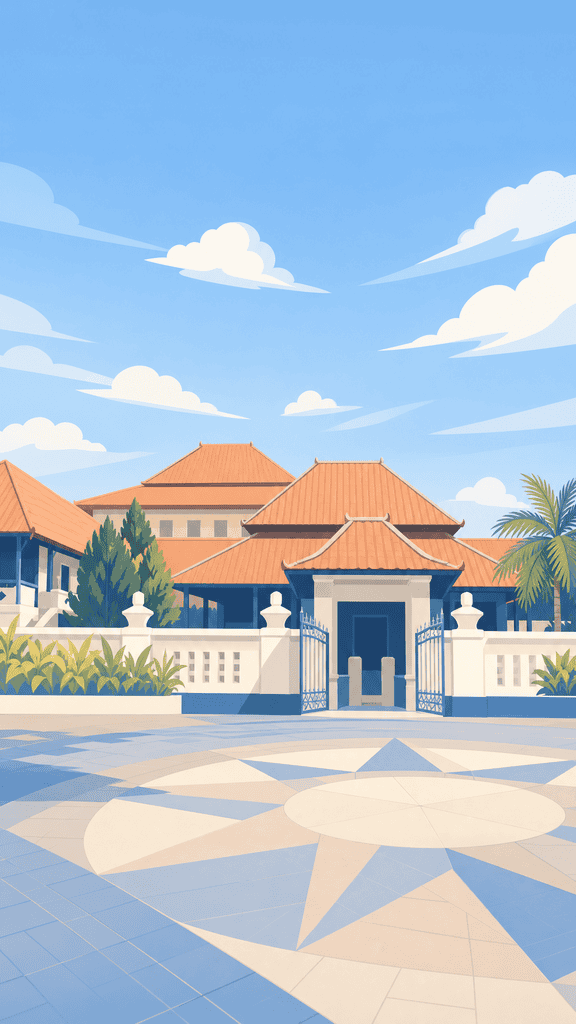
Sonobudoyo Museum Unit I, in Yogyakarta, is an art museum that offers a beautiful insight into Javanese culture and Indonesia’s traditional arts. Visitors can discover a varied collection of ancient objects, sculptures, masks, textiles, ceramics, and pieces linked to ritual and everyday arts. The visit lets you appreciate the finesse of local craftsmanship and the diversity of Java’s artistic expressions. It is an interesting place to better understand the region’s cultural heritage in a calm and informative setting.
8. Jogja National Museum
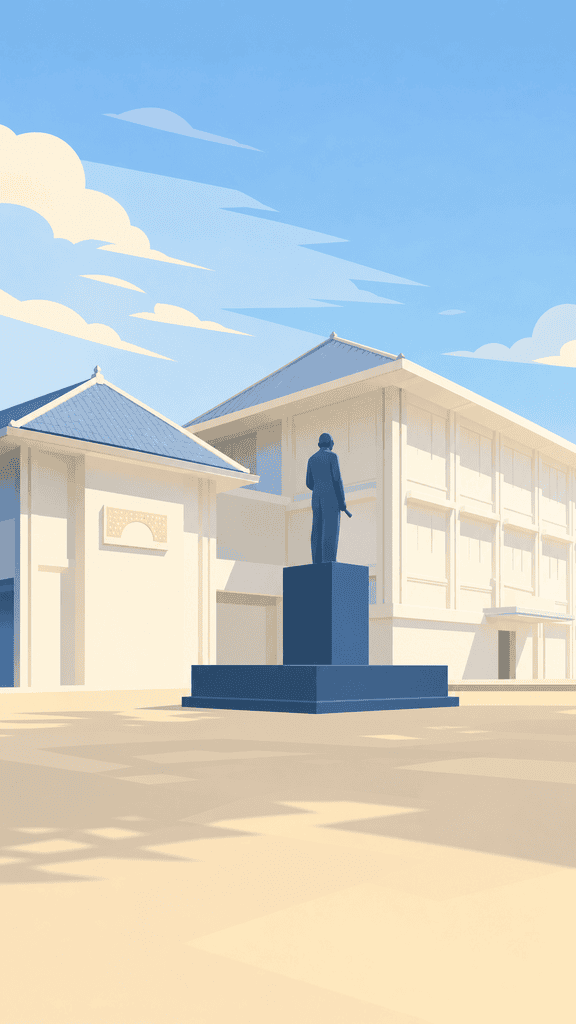
The Jogja National Museum in Yogyakarta is a national museum offering a lively look at art and creativity in Indonesia. Visitors usually find a range of exhibitions, from contemporary works to cultural displays that highlight the local and national art scene. The venue also serves as a space for events, installations, and cultural activities, making it an interesting place to better understand Java’s artistic identity and Yogyakarta’s creative atmosphere.
9. Rejawinangun Pesanggrahan Site
Situs Pesanggrahan Rejawinangun is a heritage site in Yogyakarta that attracts visitors with its peaceful atmosphere and cultural interest. Here, you can discover the remains of an old place of rest or retreat, surrounded by a setting that evokes the royal past and traditional Javanese architecture. The visit offers a chance to observe a modest historic site, ideal for walking and discovering the local heritage, away from the hustle and bustle of the city. It is an interesting stop for better understanding Yogyakarta’s cultural identity and the importance of its ancient sites.
10. Plengkung Gading
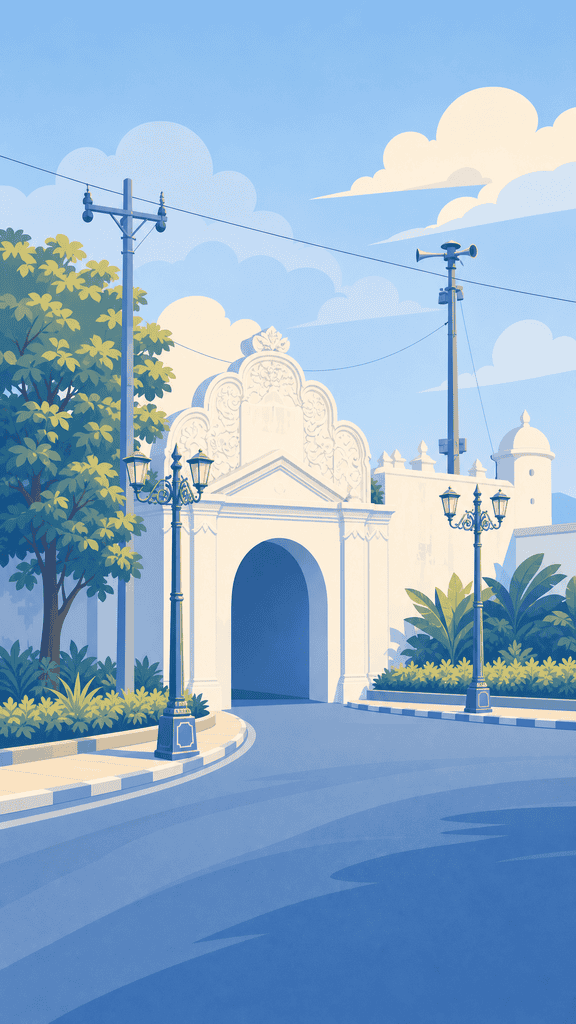
Plengkung Gading is a historic gate located in Yogyakarta, Indonesia, that attracts visitors with its traditional architecture and iconic atmosphere in the old city center. This arched passage, integrated into the city's urban fabric, evokes Javanese heritage and offers a glimpse of the local architectural charm. When exploring it, visitors discover a monument valued both for its visual appeal and for its place in Yogyakarta's identity, amid lively traffic, surrounding streets, and the city's typical cultural atmosphere.

Antony M
During my travels, I looked for guides who spoke my language. This search turned out to be long and tedious. That is why I created MYTOGU (My Tourist Guide): a matching site between tourists and professional tourist guides.
