Amphitheatre of Pompeii : info and guided tour
Introduction to the Amphitheatre of Pompeii
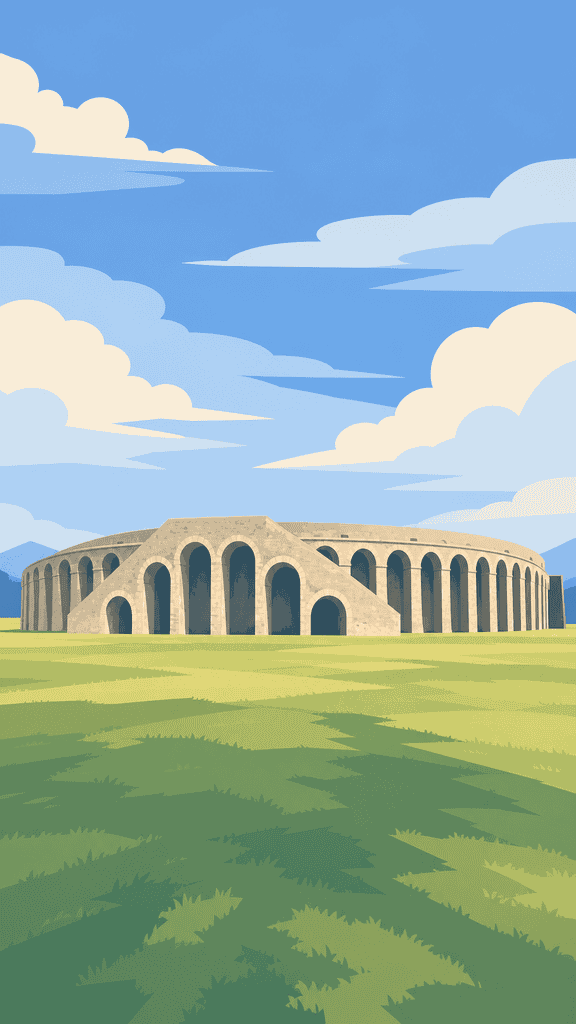
The Amphitheatre of Pompeii is one of the most emblematic monuments of the ancient city buried by the eruption of Mount Vesuvius in 79 AD. Located away from the forum, it was used for gladiator shows and public gatherings. Its elliptical plan and stone seating testify to the importance of leisure in the Roman city.
Considered one of the oldest surviving Roman amphitheatres, it offers a valuable insight into the architecture of the earliest buildings of this type. Its shape, dug into the ground, and its side entrances made it easier for spectators to move around. The whole structure stands out for its impressive dimensions and the simplicity of its design.
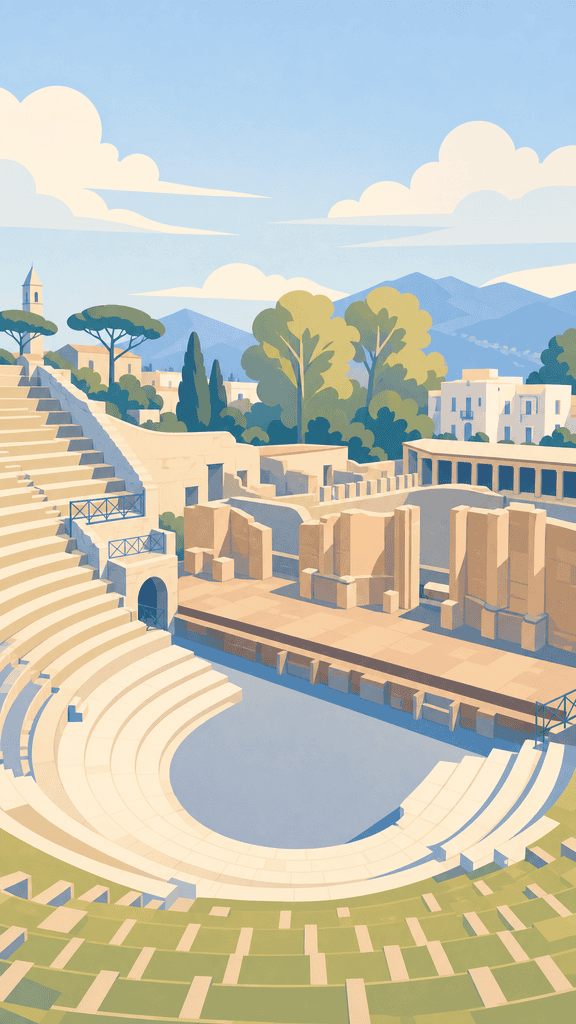
The monument is especially famous for the quality of its preservation, due to Pompeii’s burial under volcanic ash. When visiting, one can still see the rows of seating, the central arena, and the passageways that organized public access. These elements make the urban and festive life of the ancient city easier to understand.
Set within the vast archaeological site of Pompeii, the amphitheatre complements the discovery of the city’s houses, streets, and public spaces. It illustrates the place of spectacles in Roman society and allows visitors to appreciate, on site, the true scale of the entertainments that enlivened the city before its disappearance.
Discover Pompeii with a private guide
A private guide can help you better understand the Amphitheatre of Pompeii, its use in the ancient city, and the significance of its architectural features. The guided tour also provides useful insight into the site’s historical context and its place within the archaeological complex of Pompeii.