House of the Faun : info and guided tour
Introduction to the House of the Faun
The House of the Faun is one of the largest private residences in Pompeii, Italy. Located in the archaeological center of the ancient city, it illustrates the refinement of the Roman elite before the eruption of Vesuvius. Its name comes from a small statue of a dancing faun discovered on site, which became one of its best-known emblems.
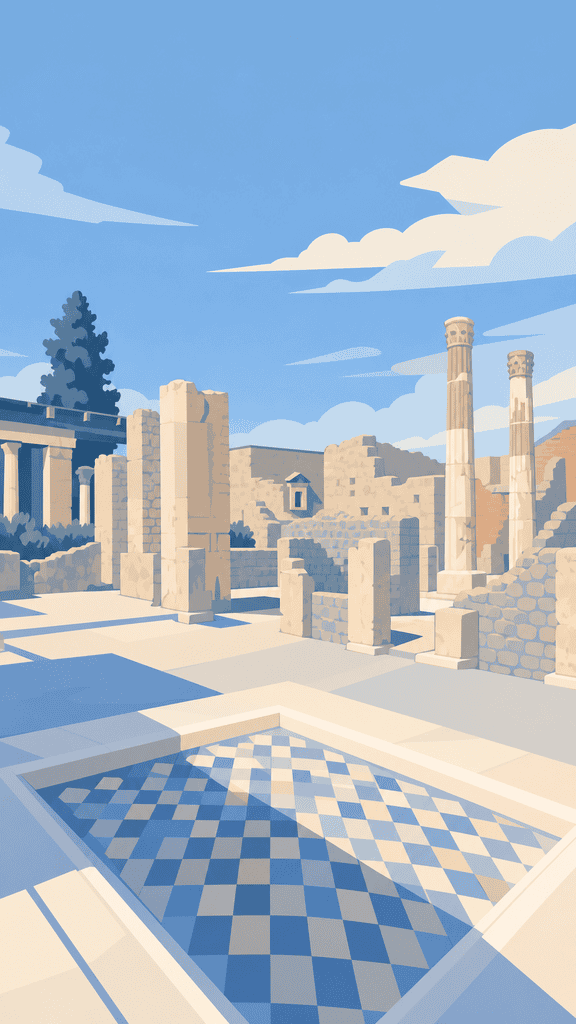
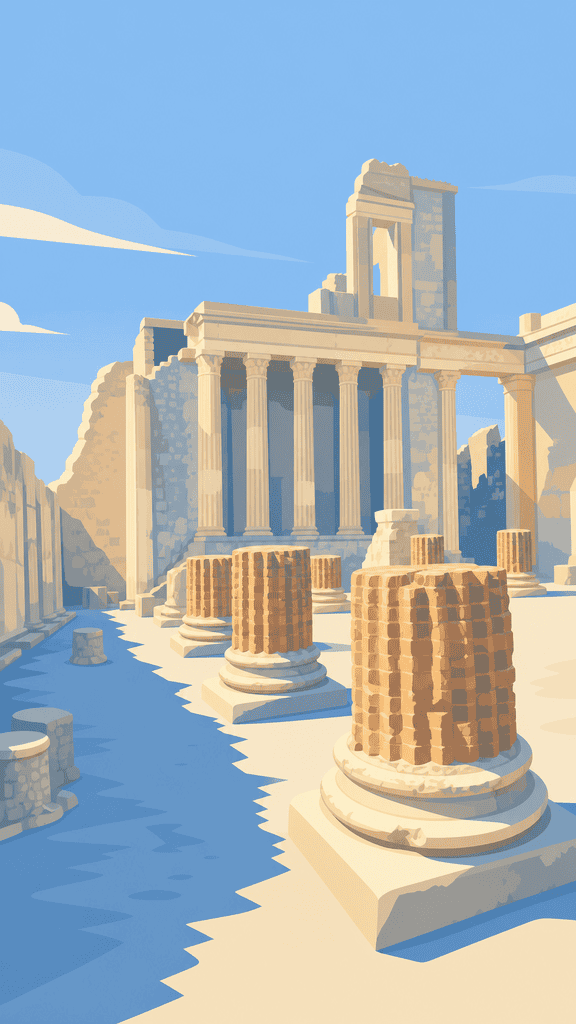
This house stands out for its exceptionally large layout, with several courtyards, gardens, and reception areas arranged around the atrium and the peristyle. The ruins bear witness to a luxurious residence designed both for daily life and for display. Decorated floors and features that reveal its former prestige can still be seen.
The site is famous for its mosaics, including the Alexander Mosaic, considered one of the most remarkable works of Roman art in Pompeii. This composition depicts a battle between Alexander the Great and Darius III. The house also draws attention for the quality of its decoration and the scale of its spaces.
Visiting the House of the Faun helps one understand how a large Pompeian residence combined social display, comfort, and visual culture. Between domestic architecture and decorative masterpieces, it offers a valuable glimpse into aristocratic life in the Roman city. Its state of preservation makes it a major site on Pompeii’s archaeological route.
Discover Pompeii with a private guide
A private guide can help make the layout of the House of the Faun, its reception areas, and the place of its mosaics in the history of Pompeii much clearer. Their guidance also provides useful context on Roman domestic life and on the archaeological details that are difficult to notice on your own.