Pompeii Archaeological Park : info and guided tour
Introduction to the Archaeological Park of Pompeii
The Archaeological Park of Pompeii brings together the remains of the ancient Roman city buried during the eruption of Mount Vesuvius. Located in Pompeii, near Naples, it preserves an exceptional urban fabric where streets, houses, shops, baths, and public places can be distinguished. The site allows visitors to read the ancient city almost neighborhood by neighborhood.
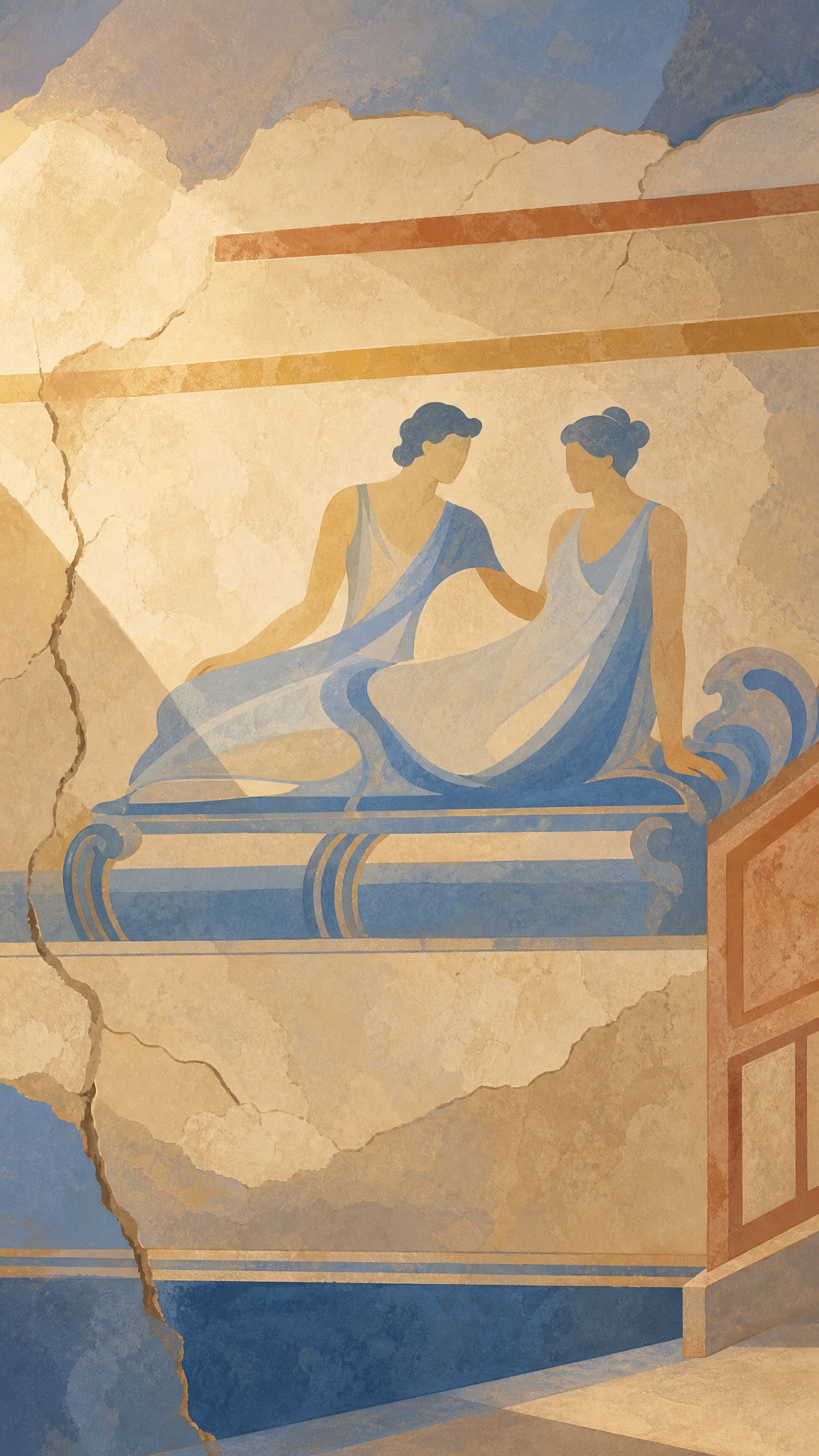
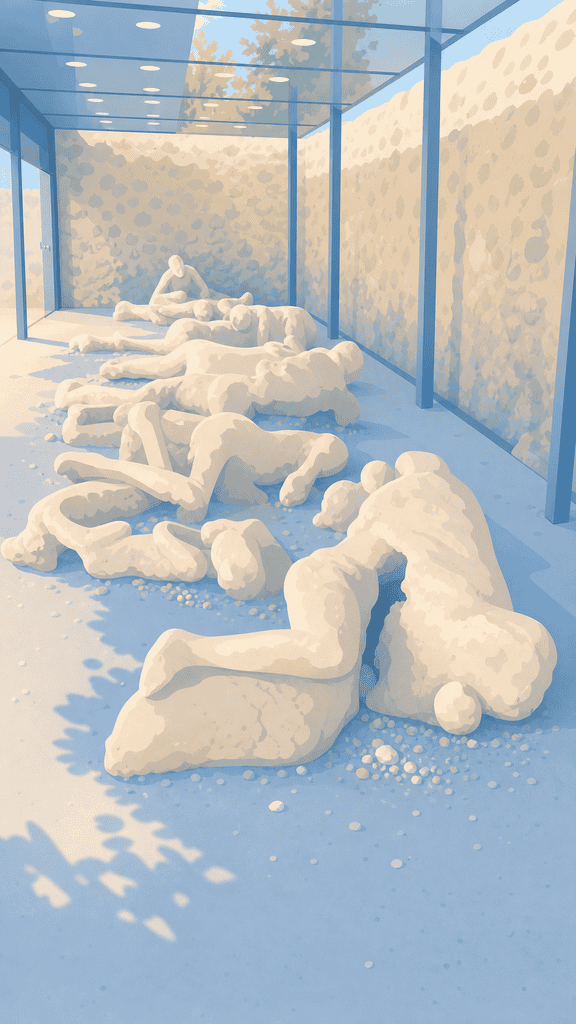
The volcanic disaster froze Pompeii under a layer of ash and lapilli, preserving buildings and everyday objects in a rare state. Excavations have revealed houses adorned with frescoes, mosaics, and domestic spaces that document Roman life. This preservation has made the site a major reference in archaeology.
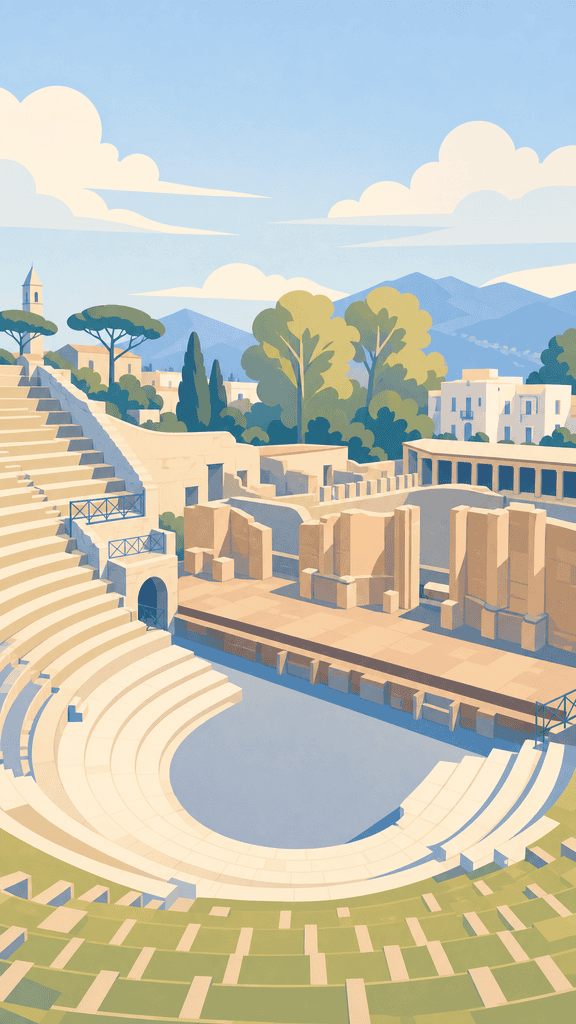
Among the most emblematic features are the Forum, the civic center of the city, as well as several large ancient houses, thermopolia, and entertainment buildings. The paved streets, sidewalks, and pedestrian crossings show Roman urban organization, while the painted decorations bear witness to a sophisticated taste for mural art.
The park’s renown also lies in its ability to offer a concrete immersion in a city of the Roman Empire. Each area, from the baths to the villas, sheds light on the social, commercial, and religious customs of the time. In Pompeii, visitors discover an exceptional heritage that is at once spectacular, fragile, and profoundly enlightening.
Discover Pompeii with a private guide
A private guide can help you better understand the layout of the park, the function of the buildings, and the meaning of the preserved decorations. In Pompeii, this perspective accompanies the visit through the streets, houses, and public spaces, placing the remains in their historical and urban context without weighing down the discovery.