
10 Best Things to Do and See in Pompeii
Exploring Pompei on foot is one of the best ways to feel the city’s atmosphere, connect its landmark places and discover its neighbourhoods at a more natural pace.
In this guide, you will find the attractions not to miss when planning a walking route in Pompei, with simple reference points.
To go further, you can also enjoy a private guided tour in Pompei. It is a smoother way to connect places, understand details you might miss on your own and enjoy a more human, personal discovery adapted to your trip.
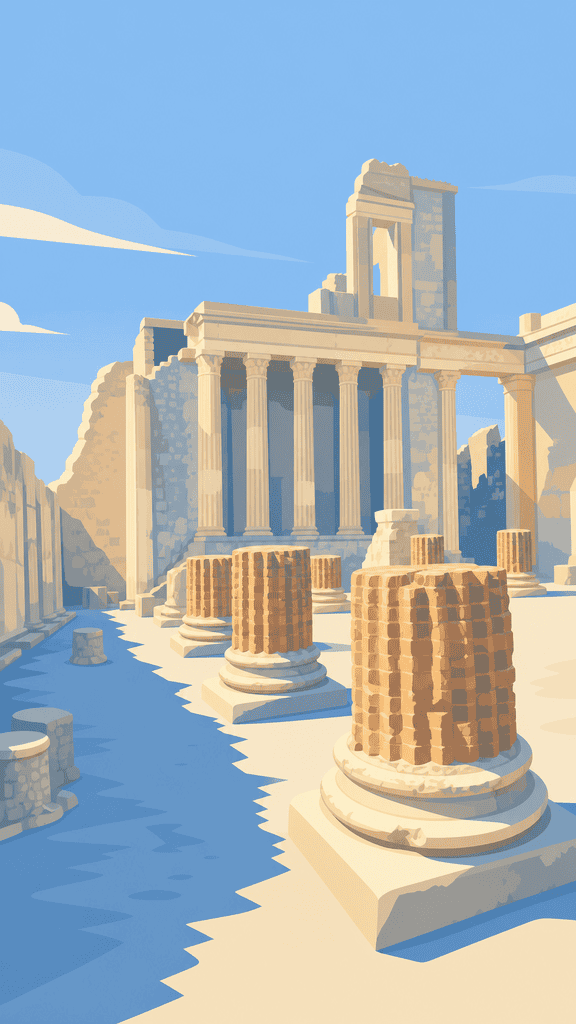
1. Archaeological Park of Pompeii
The Pompeii Archaeological Park offers a unique immersion into an ancient Roman city remarkably well preserved. As you walk along its cobbled streets, you discover houses, shops, baths, temples, and public spaces that bear witness to daily life in that era. The frescoes, mosaics, and architectural remains make it possible to imagine the city’s layout and activity. The visit, both fascinating and moving, reveals a major archaeological site where visitors can better understand the history, urban planning, and heritage of ancient Italy.
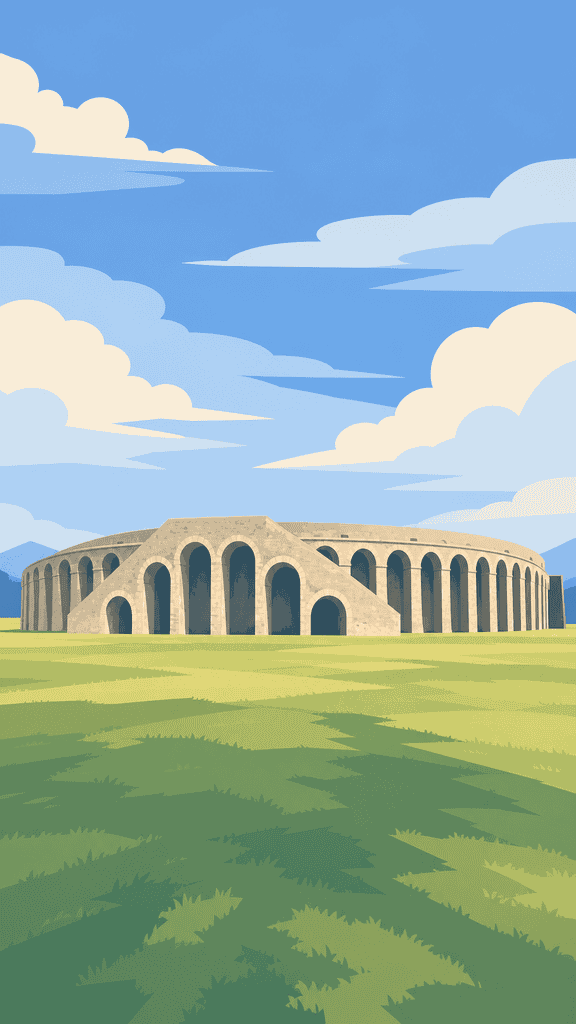
2. Amphitheatre of Pompeii
The Amphitheater of Pompeii is one of the most impressive sites in the ancient city, offering a striking glimpse into the spectacles that shaped Roman life. As you walk along its stone tiers, you will discover a vast elliptical arena, access corridors, and architecture designed to welcome a large audience. The site provides a better understanding of how entertainment was organized in antiquity and of Pompeii’s importance as a lively Roman city. Its remarkable state of preservation makes it a must-see for history and heritage lovers.
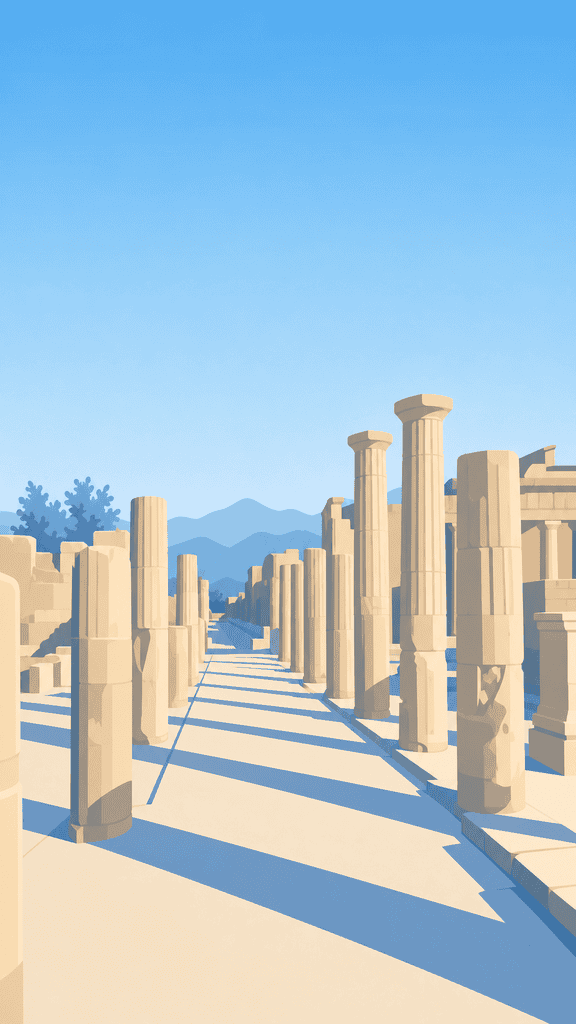
3. Pompeii Ruins
The Scavi di Pompei refer to the vast archaeological site of Pompeii, Italy, where visitors can discover the exceptionally well-preserved remains of an ancient Roman city. Walking through its streets, houses, baths, temples, and public buildings, you are immersed in the daily life of a city frozen in time. Frescoes, mosaics, inscriptions, and artifacts from the past help bring its inhabitants’ lives to life. It is a striking visit, both historical and moving, and a must-see for understanding the Roman legacy.
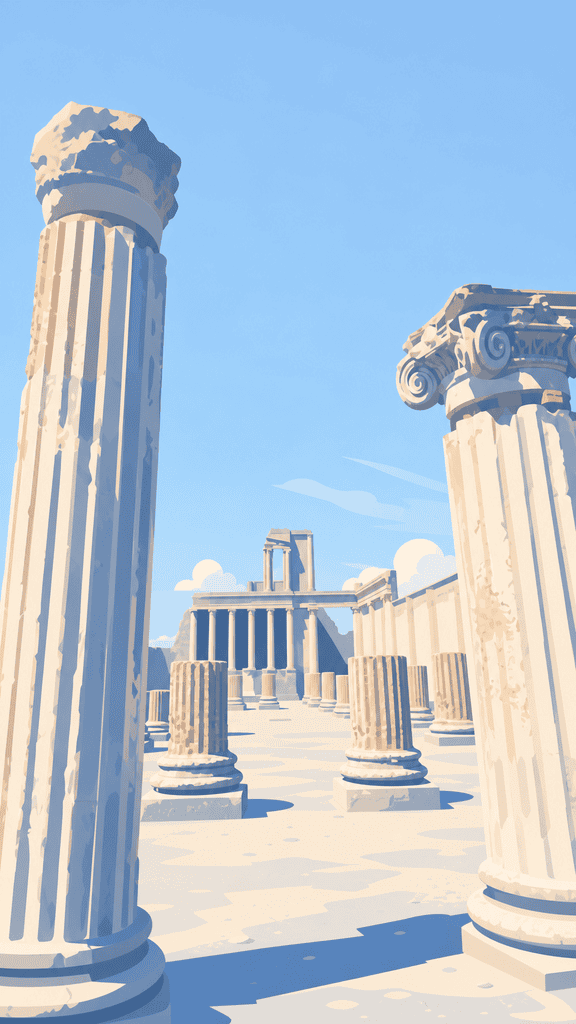
4. Forum of Pompeii
At the heart of the archaeological site of Pompeii, the Forum is the vast public square that concentrated the civic, religious and commercial life of the ancient city. As you walk through this rectangular space lined with columns, you discover the remains of temples, administrative buildings, ancient markets and sweeping views toward Mount Vesuvius. The site is impressive for its scale and for the insight it offers into Roman urban planning. It is a must-see stop for understanding the importance and lively atmosphere of Pompeii before its burial.
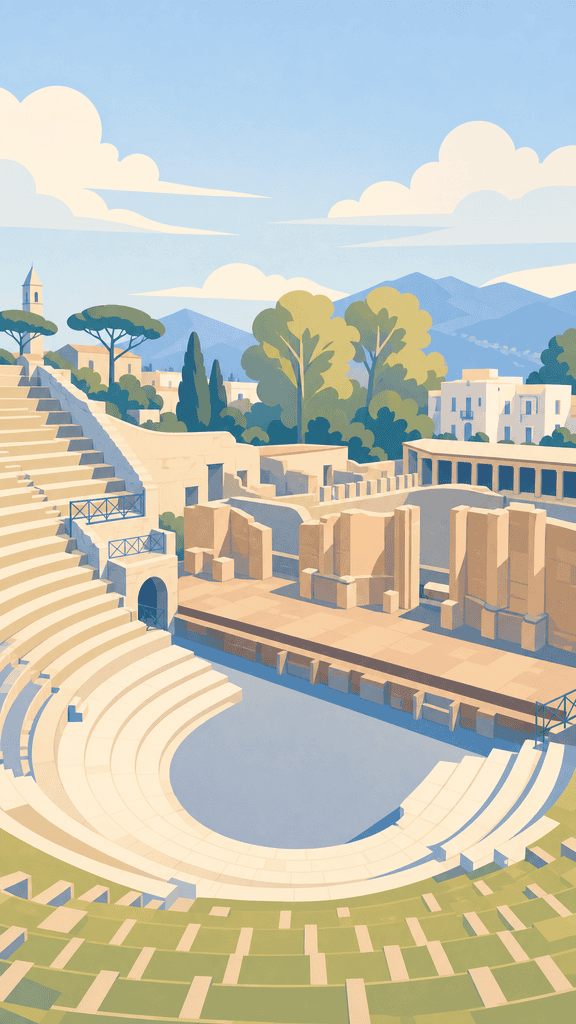
5. Grand Theatre
The Great Theater of Pompeii is one of the most impressive sites in the ancient city, with its semicircular tiers of seating and vast performance area. Here you can discover a remarkably well-preserved Roman theater, where the architecture highlights the stage, access corridors and rows reserved for the audience. Visiting it makes it easy to imagine the atmosphere of performances in ancient times and to observe the builders’ ingenuity up close. Located in the heart of the archaeological site, it offers a striking glimpse into the cultural life of Pompeii.

6. Villa of the Mysteries
The Villa of the Mysteries in Pompeii is one of the most fascinating sites in the archaeological park, renowned for its rooms decorated with remarkably well-preserved Roman frescoes. As you explore this ancient residence, you discover a refined interior that evokes the luxury of Roman domestic life, as well as murals of great intensity, with symbolic scenes and colors that are still striking today. The visit also offers the chance to observe the architecture of an ancient villa and gain a better understanding of the art and daily life of Pompeii before the eruption of Mount Vesuvius.
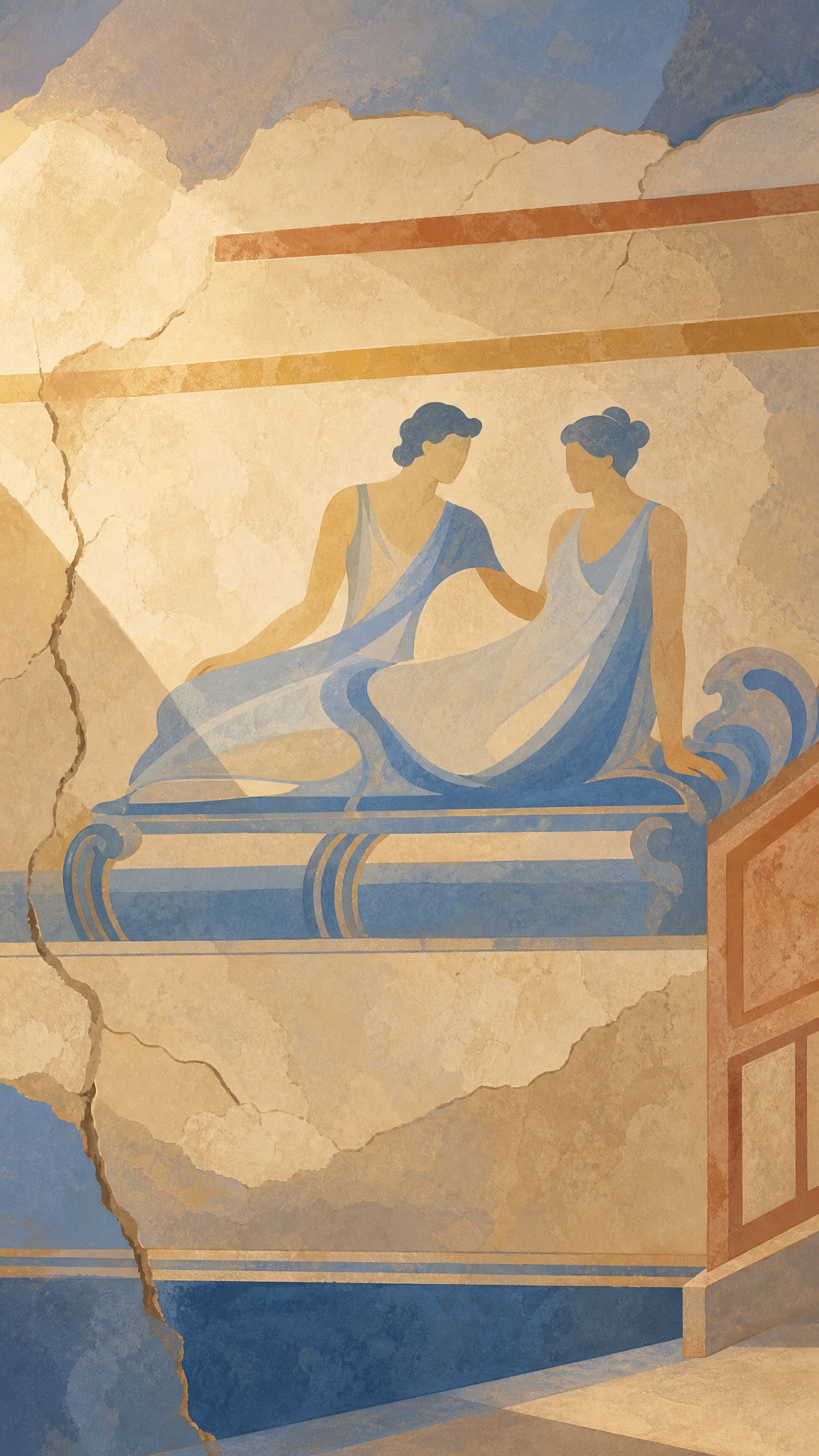
7. Lupanar
The Lupanar of Pompeii is one of the best-known sites in the archaeological park, offering a rare glimpse into everyday life in the ancient city. Here, visitors discover a small building with narrow rooms, along with frescoes and features that bear witness to its original use. The visit is especially valuable for better understanding the layout of Roman urban space and certain aspects of society at the time. It is a memorable stop for anyone wishing to explore Pompeii beyond its houses, temples, and cobbled streets.

8. Garden of the Fugitives
The Garden of the Fugitives in Pompeii is a moving place to visit in the heart of the archaeological site. It offers an open-air space where casts of victims discovered during the excavations are displayed, providing a striking glimpse into the tragedy that struck the ancient city. The route also lets visitors observe a carefully arranged archaeological setting, with visible remains and a reflective atmosphere. It is a memorable stop for understanding the history of Pompeii and grasping the scale of its destruction.

9. Immersive Culture
Located in Pompeii, Cultura Immersiva is a museum offering a modern, immersive approach to cultural discovery. The venue invites visitors to explore visual and interactive content, often designed to make the experience more engaging and accessible. Here, you can discover exhibitions focused on highlighting heritage, with presentations that may combine images, sound, and digital media. It is an interesting place to better understand local history and culture in a contemporary, educational setting.
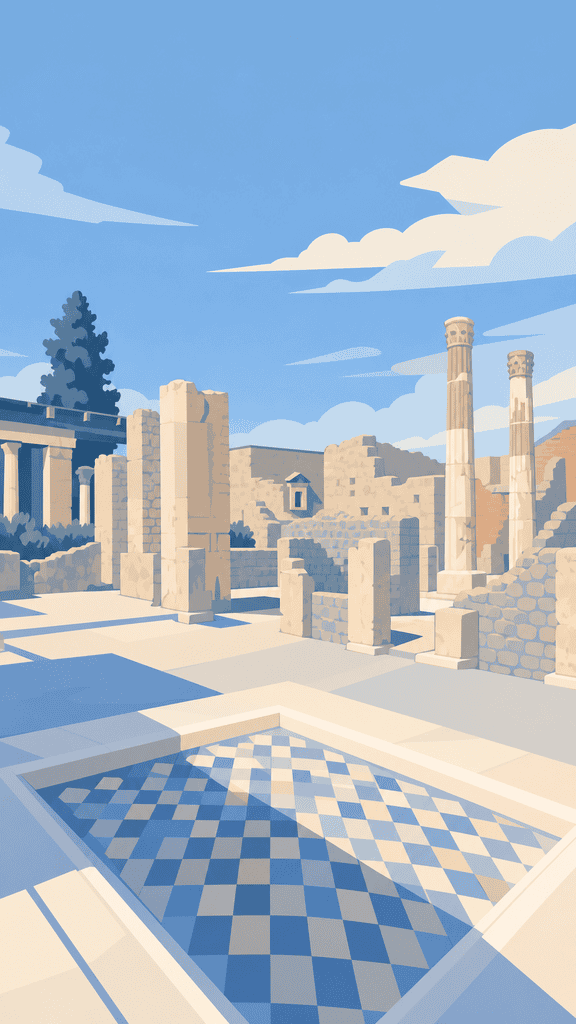
10. House of the Faun
The House of the Faun is one of the largest and most famous ancient residences in Pompeii. Visiting it reveals the remains of a luxurious Roman house, with its spacious courtyards, richly decorated rooms and remarkable mosaics, including the famous Alexander Mosaic. The site also offers a glimpse into the lifestyle of the Roman elite, with its private quarters, reception areas and refined decorative features. It is a must-see stop for understanding the city’s opulence before its burial.

Antony M
During my travels, I looked for guides who spoke my language. This search turned out to be long and tedious. That is why I created MYTOGU (My Tourist Guide): a matching site between tourists and professional tourist guides.
