
11 Best Things to Do and See in Rio de Janeiro
Exploring Rio de Janeiro on foot is one of the best ways to feel the city’s atmosphere, connect its landmark places and discover its neighbourhoods at a more natural pace.
In this guide, you will find the attractions not to miss when planning a walking route in Rio de Janeiro, with simple reference points.
To go further, you can also enjoy a private guided tour in Rio de Janeiro. It is a smoother way to connect places, understand details you might miss on your own and enjoy a more human, personal discovery adapted to your trip.

1. Christ the Redeemer
Overlooking Rio de Janeiro from the top of Corcovado Mountain, Christ the Redeemer is one of Brazil’s most iconic landmarks. This immense statue of Christ with open arms offers spectacular views over the city, Guanabara Bay, the beaches, and the surrounding hills. The site attracts visitors for both its cultural and spiritual significance and the breathtaking panorama it provides. Open to visitors, it is an essential stop for discovering the soul of Rio and admiring one of its most famous landscapes.

2. Museum of Tomorrow
The Museu do Amanhã, in Rio de Janeiro, is a contemporary science museum dedicated to the major challenges of the future. Visitors can explore interactive exhibits on science, the environment, climate, biodiversity, technology, and the evolution of human societies. The visit invites everyone to reflect on what tomorrow could bring through immersive installations, images, sensory experiences, and educational content accessible to all. Located on the waterfront, it also stands out for its modern architecture and its innovation-focused atmosphere.

3. Selarón Steps
Selarón Steps in Rio de Janeiro is a spectacular urban artwork and one of the city’s most famous attractions. This grand staircase linking two neighborhoods is covered with ceramic tiles, colorful mosaics and decorative fragments from many countries. As you walk up it, you discover a lively setting that changes at every landing, with varied patterns and a profusion of colors. It is a favorite spot for strolling, photos and experiencing bold, free-flowing popular art.

4. Natural Monument of Sugarloaf Hill and Urca Hill
The Natural Monument of the Sugarloaf Mountain and Urca Hills is an iconic natural area of Rio de Janeiro, offering spectacular scenery between sea, rock, and vegetation. Here you can discover the famous peaks of Sugarloaf Mountain and Morro da Urca, with remarkable views over Guanabara Bay, the beaches, and the city. This protected site attracts visitors for its hiking trails, preserved environment, and panoramic views, which are among the best known in Brazil.

5. Lage Park
Located at the foot of Corcovado in the Jardim Botânico district of Rio de Janeiro, Parque Lage is a public park loved for its lush setting and peaceful atmosphere. Visitors can explore wide paths, shaded gardens, trails through tropical vegetation, and an elegant historic building with a remarkable architectural style. The site attracts both walkers and curious visitors looking to enjoy a green escape in the city, with beautiful views of the surrounding forest and a relaxing ambiance.

6. Banco do Brasil Cultural Center (CCBB)
The Centro Cultural Banco do Brasil, in the heart of Rio de Janeiro, is one of the city’s major cultural hubs. Housed in an elegant historic building, it hosts art exhibitions, contemporary installations, film screenings, performances, and educational activities. Visitors can enjoy a varied program showcasing Brazilian and international creativity in a space that is both lively and welcoming. It is an ideal stop to combine heritage, art, and urban culture during a stay in Rio.

7. Municipal Theater of Rio de Janeiro
The Municipal Theatre of Rio de Janeiro is one of the city’s great performance venues, in the heart of the historic center. This landmark impresses with its elegant architecture and refined decor, which blend tradition and prestige. It is a place dedicated to the performing arts, where operas, concerts, ballets and other performances are regularly staged. Even without attending a show, a visit lets you admire its interior spaces, its solemn atmosphere and its cultural importance in the life of Rio.
8. Rio Art Museum
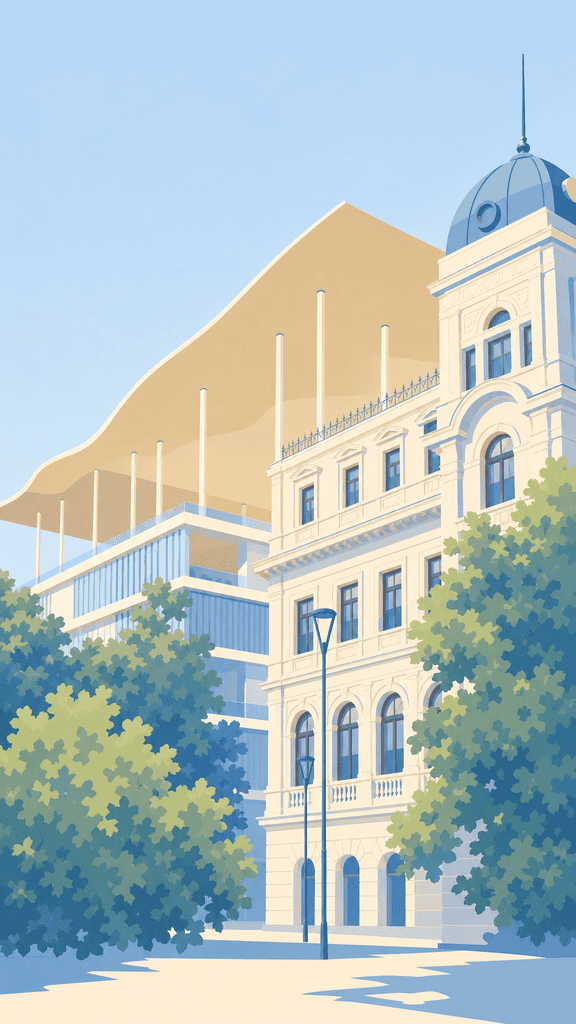
The Rio Art Museum, located in Rio de Janeiro, is a cultural landmark appreciated for its program dedicated to the visual arts and Brazilian creativity. A visit here reveals temporary exhibitions and collections that let visitors explore different artistic movements, from contemporary works to more classic pieces, depending on the season. The museum also highlights the dialogue between art, history, and society, offering visitors an experience that is both visually appealing and enriching. It is a worthwhile stop for a better understanding of Rio’s cultural scene.

9. Rio de Janeiro Museum of Modern Art
The Rio de Janeiro Museum of Modern Art invites visitors to discover a wide panorama of modern and contemporary art in one of the city’s most iconic settings. Inside, you can explore paintings, sculptures, drawings, photographs, and installations that reflect Brazilian and international creativity. The venue also stands out for its bright exhibition spaces, distinctive architectural lines, and cultural atmosphere overlooking the bay. It is an ideal visit to understand how artistic forms have evolved while enjoying a peaceful moment in the heart of Rio de Janeiro.

10. Republic Museum (Catete Palace)
The Museu da República, housed in the elegant Palácio do Catete in Rio de Janeiro, offers the chance to discover a former presidential palace that has been turned into a museum. Visitors can explore historic rooms, reception halls, and exhibition spaces featuring objects, documents, and furniture linked to Brazil’s political and cultural history. The site also charms with its refined architecture and peaceful gardens, making for a visit that is both enriching and enjoyable in the heart of the city.
11. Mirante do Leblon
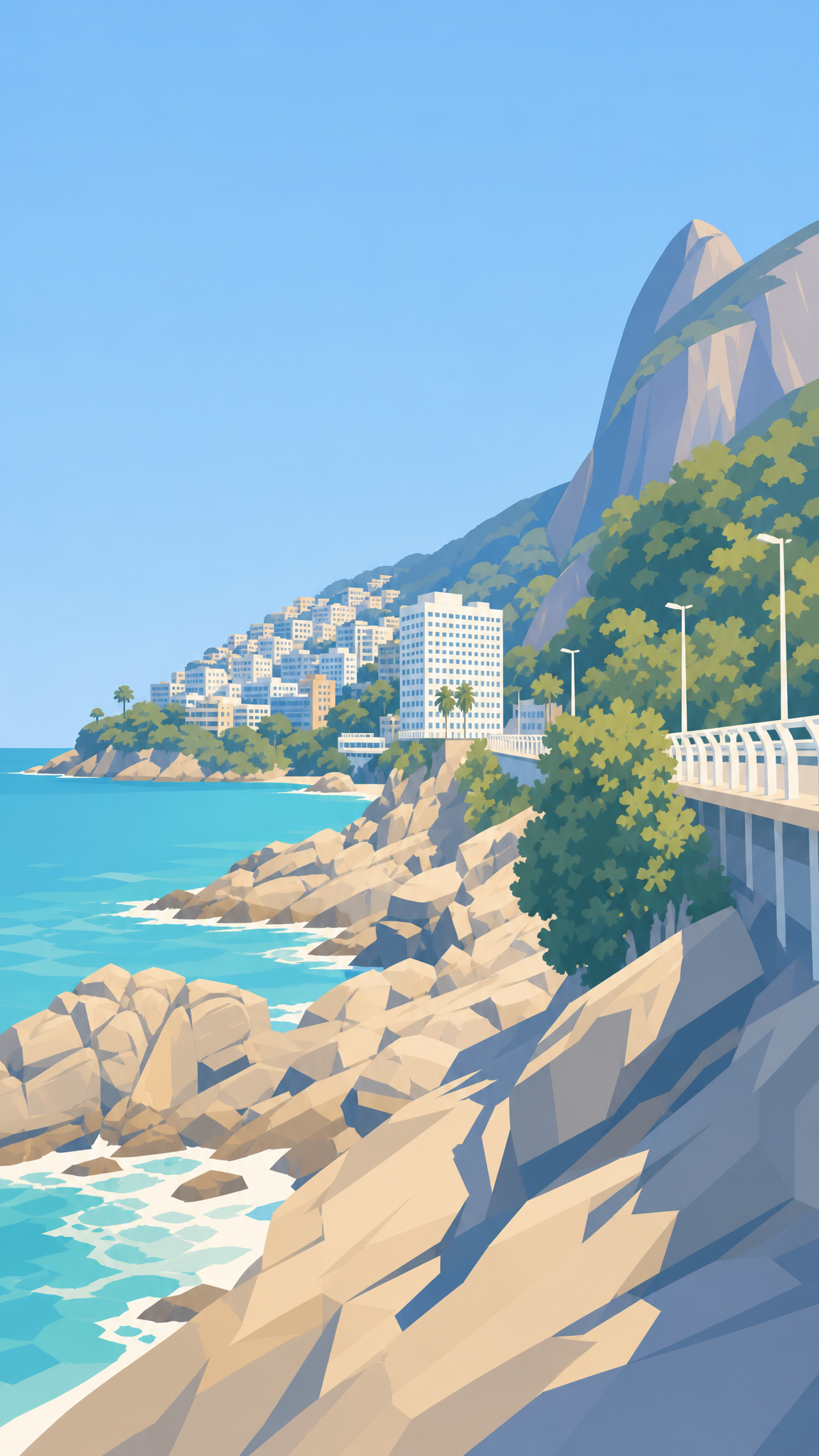
Mirante do Leblon reveals a very open side of Rio de Janeiro, between an urban beach, the ocean and lush green hills. From this viewpoint, you can see Leblon Beach, the continuity of the coastline and the transition toward the hills of Vidigal. The spot highlights the meeting point between the city and the seascape in an area where urban life is always close to the sea. This lookout is also associated with the nearby public beach, reinforcing its identity as a place to stop and enjoy the view.

Antony M
During my travels, I looked for guides who spoke my language. This search turned out to be long and tedious. That is why I created MYTOGU (My Tourist Guide): a matching site between tourists and professional tourist guides.
