Archiepiscopal Museum of Ravenna : info and guided tour
Introduction to the Archiepiscopal Museum of Ravenna
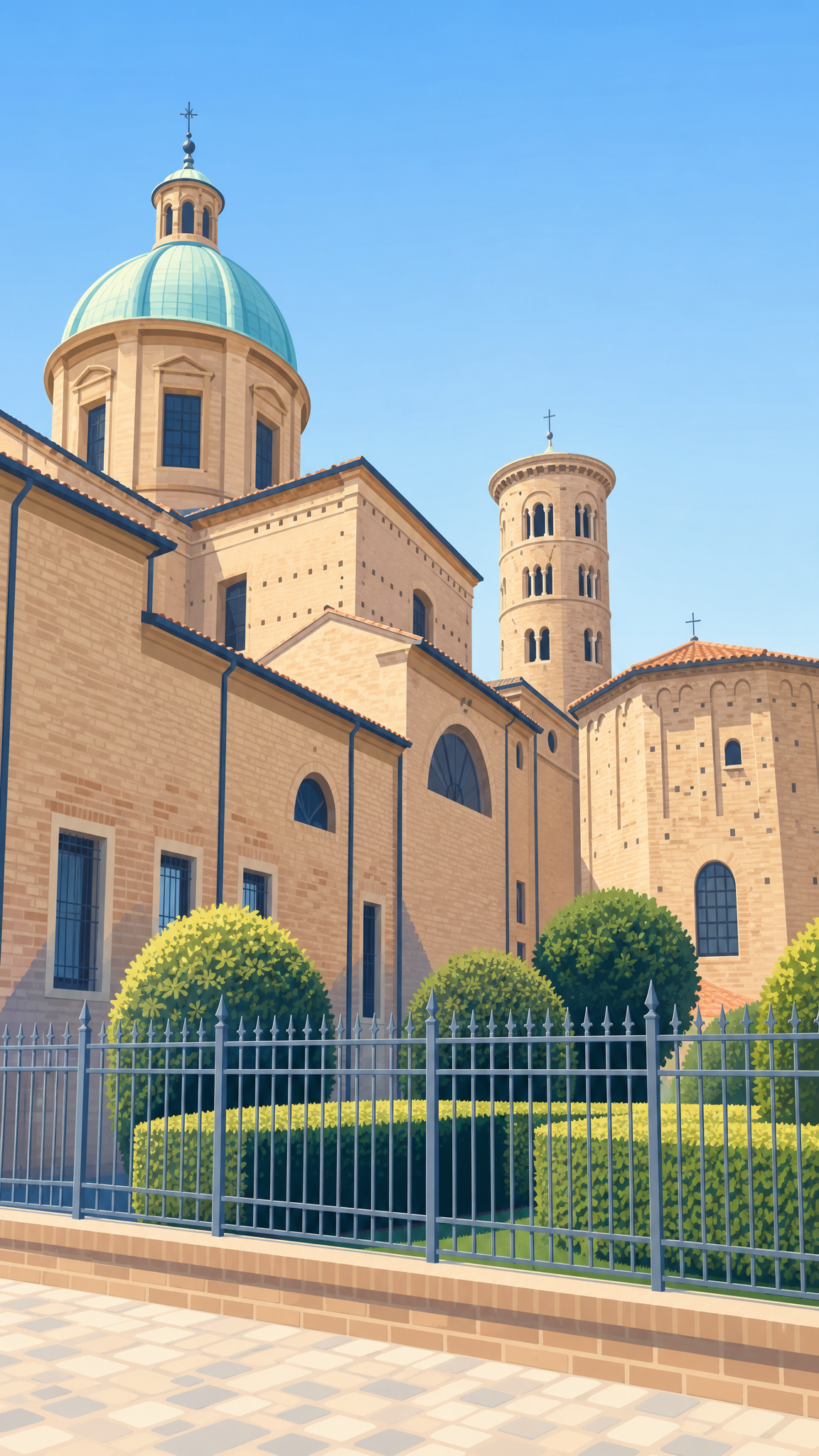
Located in the archiepiscopal palace of Ravenna, a stone’s throw from the cathedral, the Archiepiscopal Museum brings together works linked to the city’s religious history. Situated in Piazza Arcivescovado, it occupies a complex in the heart of the historic center, directly connected to Ravenna’s former role as a major episcopal seat.
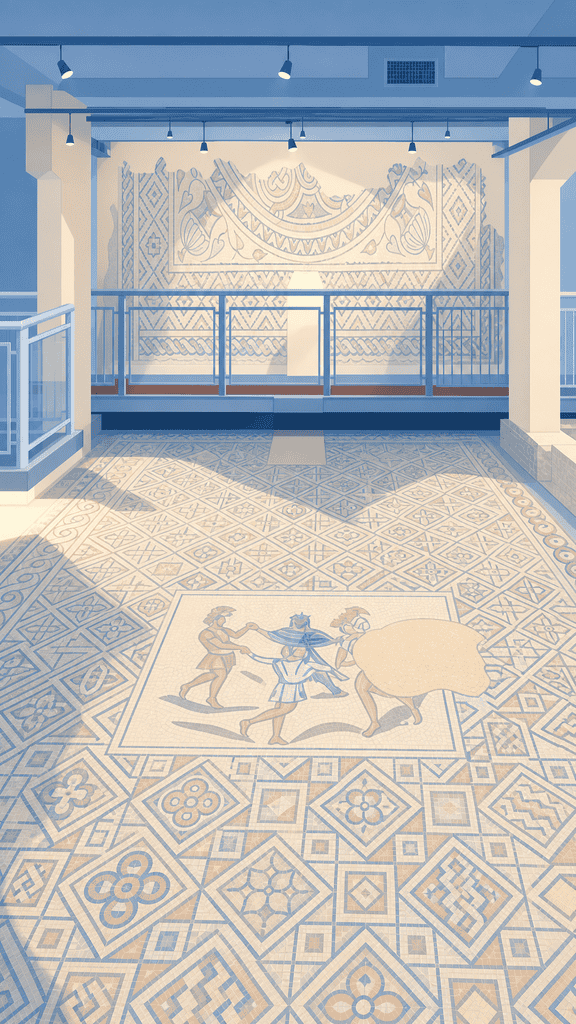
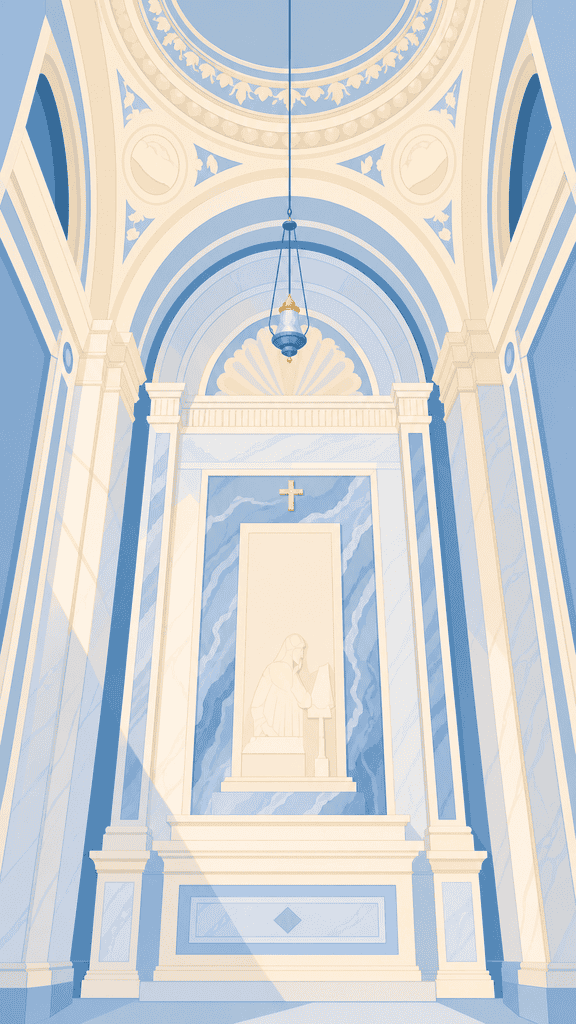
The museum is best known for its Christian art pieces and testimonies to local liturgy, which shed light on Ravenna’s importance in Late Antiquity and the Middle Ages. Its displays highlight precious objects, sculpted elements, and decorative fragments that illustrate the artistic richness of ecclesiastical power.
Among the most notable features is the famous ivory throne of Archbishop Maximian, a major work of Byzantine sculpture preserved in Ravenna. The collection also includes remains from religious buildings that no longer exist or have been altered, offering a concrete view of the evolution of the city’s sacred heritage.
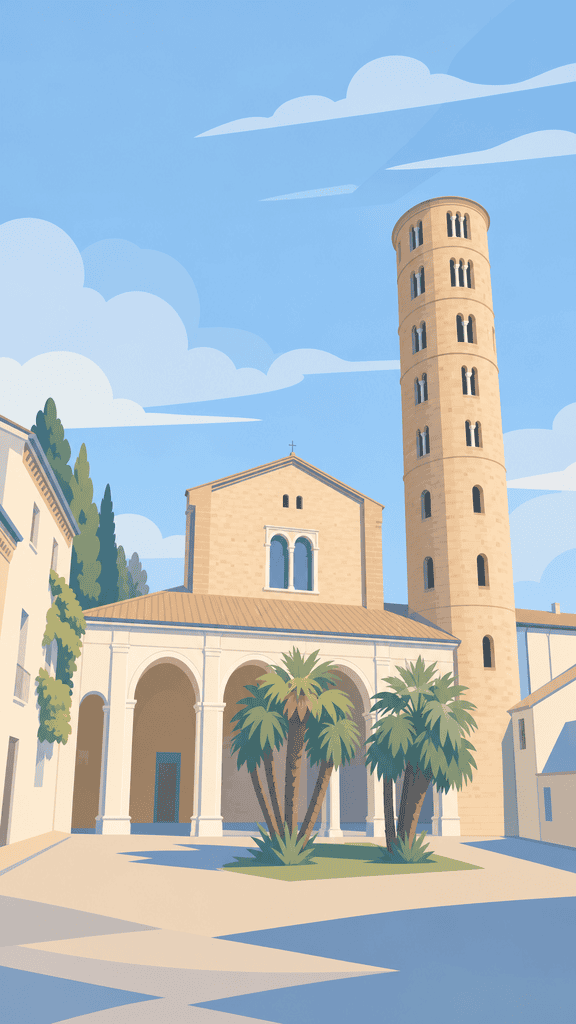
The visit also allows you to appreciate the dialogue between the museum and its monumental setting, in a district where several witnesses to Ravenna’s Christian history are concentrated. The site is appealing for the quality of its works, but also for the way it reveals the continuity between art, worship, and archiepiscopal power.
Discover Ravenna with a private guide
A private guide can help you better understand the museum’s works and place each piece within Ravenna’s religious history. Their guidance provides useful insight into the archiepiscopal context, the visible symbols, and the links between the museum, the nearby cathedral, and the city’s Byzantine heritage.