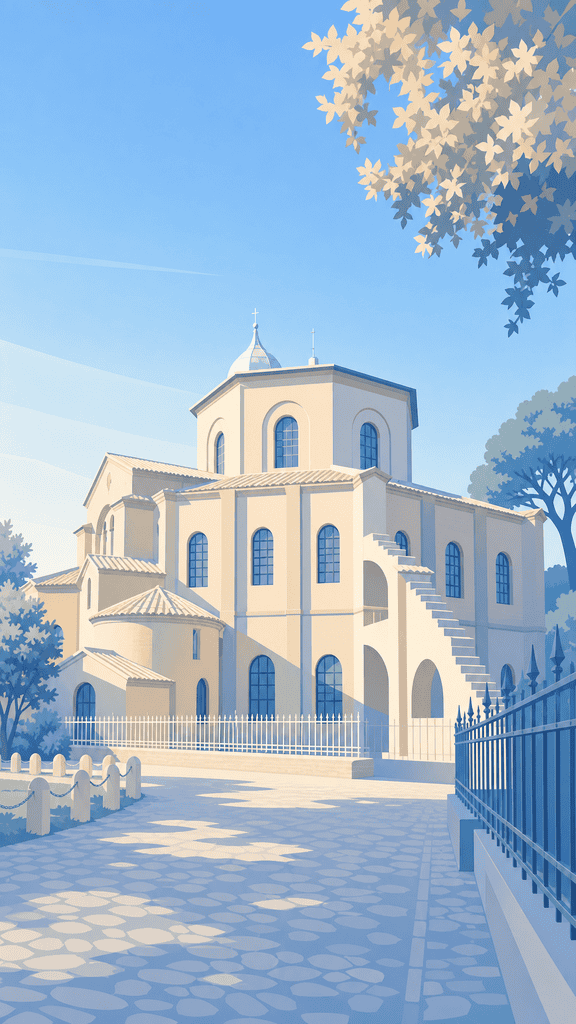
Mausoleum of Galla Placidia : info and guided tour
Introduction to the Mausoleum of Galla Placidia
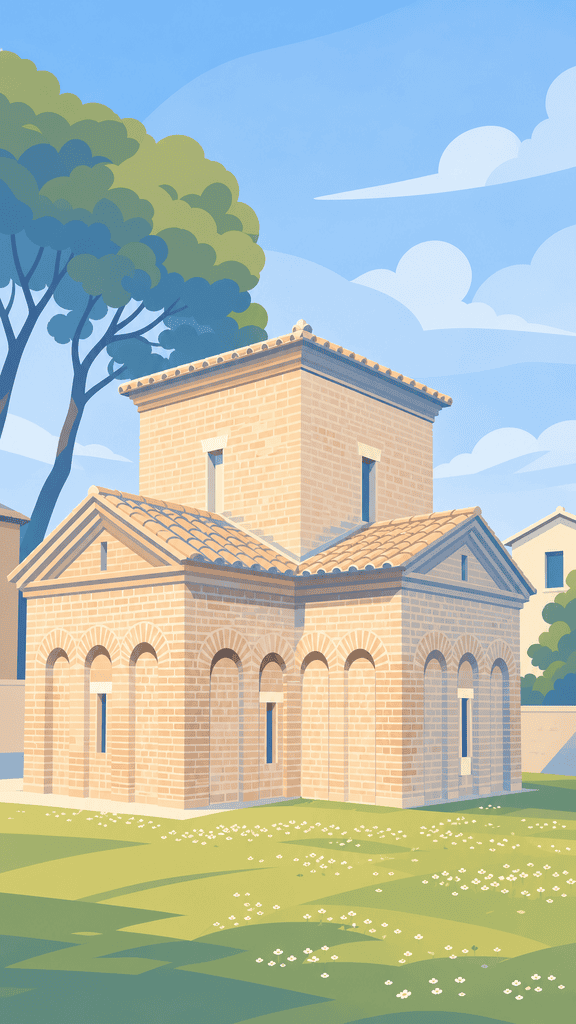
The Mausoleum of Galla Placidia is a small Early Christian monument in Ravenna, attached to the San Vitale complex, just a stone’s throw from Via San Vitale. Despite its name, it was probably not Galla Placidia’s own tomb, but a 5th-century building associated with the imperial era and the city’s religious history.
From the outside, the architecture remains understated, almost austere, with a compact Latin cross plan and brick volumes that contrast with the richness of the interior. This apparent simplicity conceals one of Italy’s most famous mosaic ensembles, preserved in a small space that heightens the sense of intimacy and contemplation.
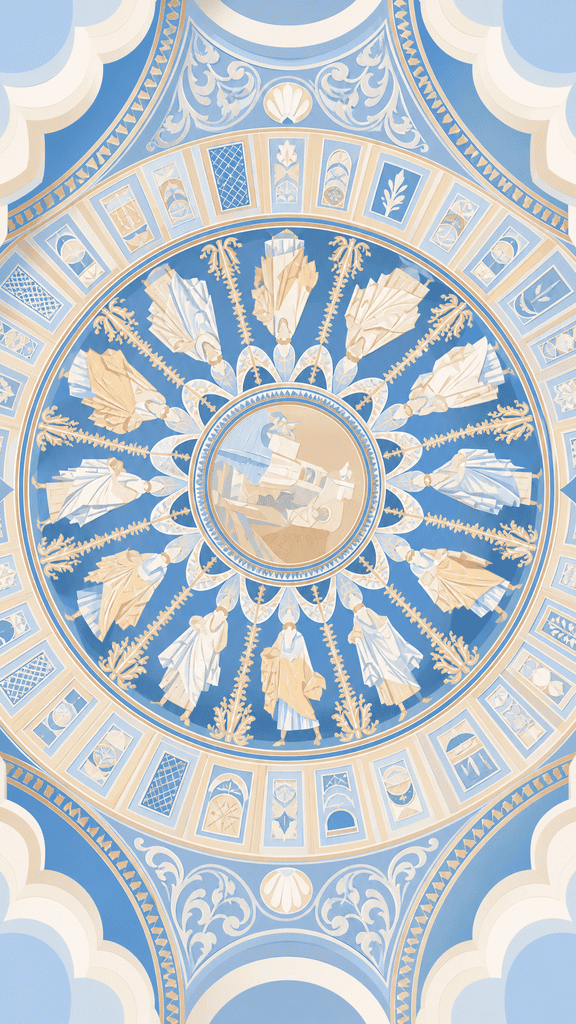
The monument is renowned for its exceptionally high-quality mosaic decorations, notably the starry dome, the luminous cross, and the vegetal motifs that cover the vaults and walls. The deep blue, gold, and white tones create a striking atmosphere, often cited as one of the high points of Early Christian art in Ravenna.
Its fame owes as much to the delicacy of its decoration as to its importance within Ravenna’s monumental ensemble, a UNESCO World Heritage site. The mausoleum offers a precious testimony to the transition between Late Antiquity and Christian art, with mosaics that are among the most admired in the Mediterranean world.
Discover Ravenna with a private guide
A private guide can help explain the mausoleum’s place in Ravenna’s history, detailing the meaning of the mosaics, the building’s layout, and its links with the other nearby monuments. Their guidance also provides helpful context for appreciating the artistic and religious significance of this remarkable site.