
10 Best Things to Do and See in Ravenna
Exploring Ravenna on foot is one of the best ways to feel the city’s atmosphere, connect its landmark places and discover its neighbourhoods at a more natural pace.
In this guide, you will find the attractions not to miss when planning a walking route in Ravenna, with simple reference points.
To go further, you can also enjoy a private guided tour in Ravenna. It is a smoother way to connect places, understand details you might miss on your own and enjoy a more human, personal discovery adapted to your trip.
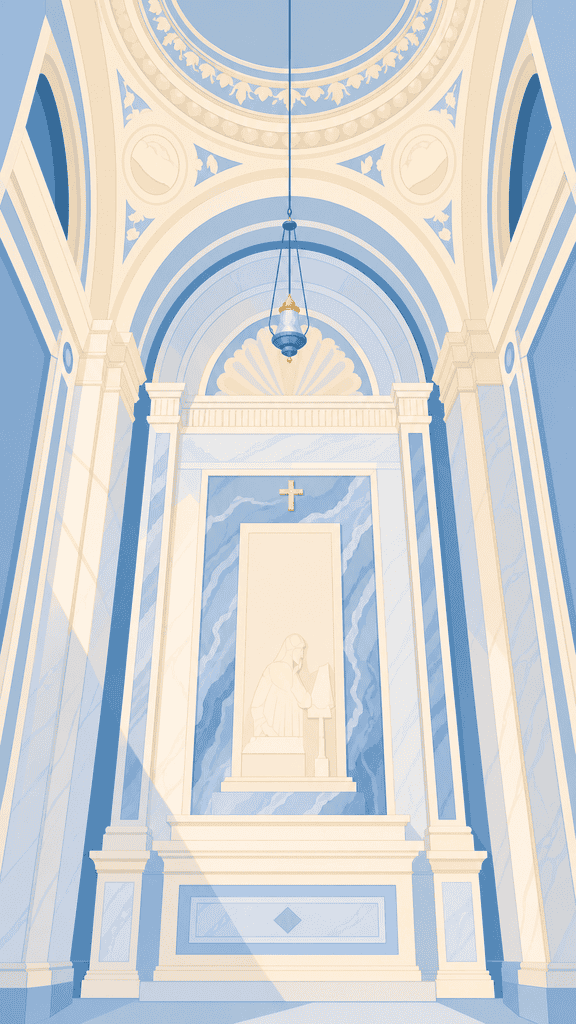
1. Tomb of Dante
Dante’s Tomb in Ravenna is a discreet, much-visited memorial site dedicated to the great Italian poet Dante Alighieri. Set within a small and peaceful enclosure, the monument attracts visitors for both its symbolic value and its contemplative atmosphere. Visitors will find a simple tomb, surrounded by a garden and historic buildings that reflect the site’s cultural importance in the city. It is a must-see stop for understanding the deep connection between Ravenna and Dante’s literary legacy.
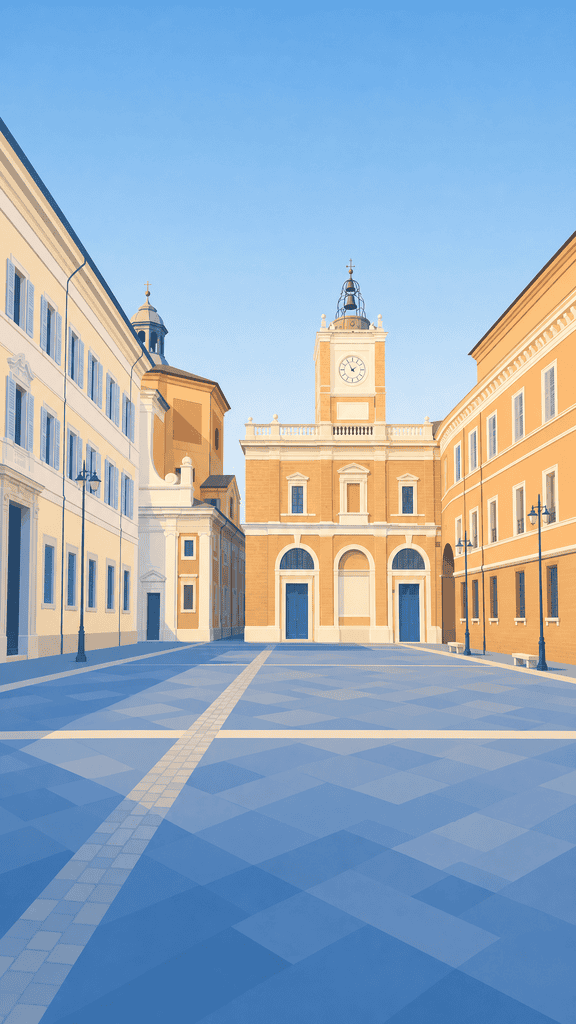
2. People’s Square
Piazza del Popolo, in the heart of Ravenna, offers a wonderful glimpse of the city’s atmosphere with its spacious pedestrian area and the elegant buildings that surround it. Visitors will find a lively square that is perfect for strolling, where cafés, shops, and busy walkways bring together locals and visitors alike. It is also a great starting point for exploring the historic center and reaching several notable sights on foot. With its urban architecture, local life, and relaxed Italian ambiance, the square is an enjoyable place to take a break and watch the city go by.
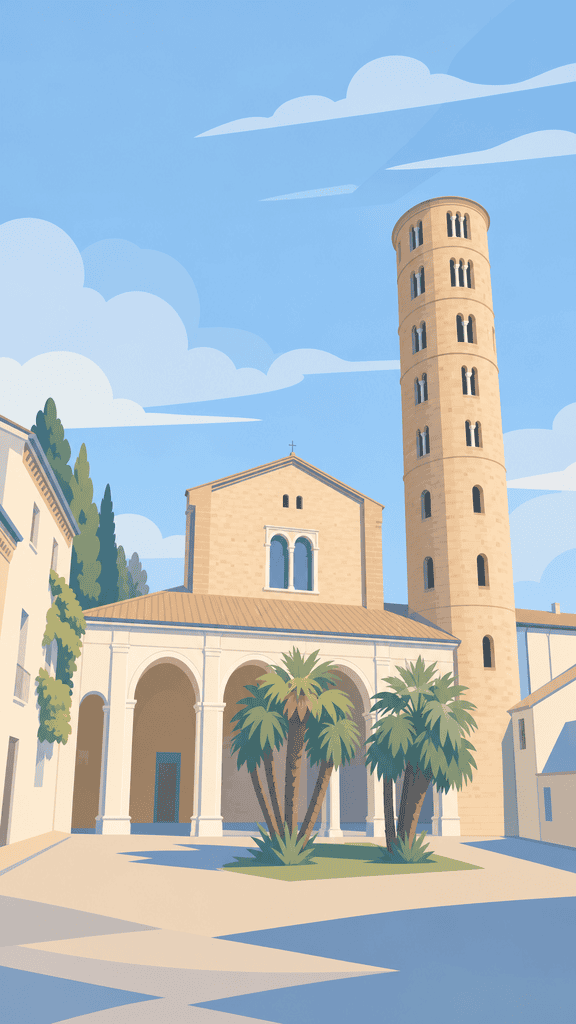
3. Basilica of Saint Apollinaris the New
In Ravenna, the Basilica of Sant’Apollinare Nuovo is a remarkable place to admire Byzantine art in all its richness. As you step inside, you discover a vast, bright nave, slender columns, and above all wall mosaics that cover a large part of the building. The sacred scenes, decorative patterns and play of colors create an atmosphere that is both solemn and refined. This basilica offers a beautiful immersion into the city’s religious and artistic heritage, renowned for its mosaic-covered monuments.
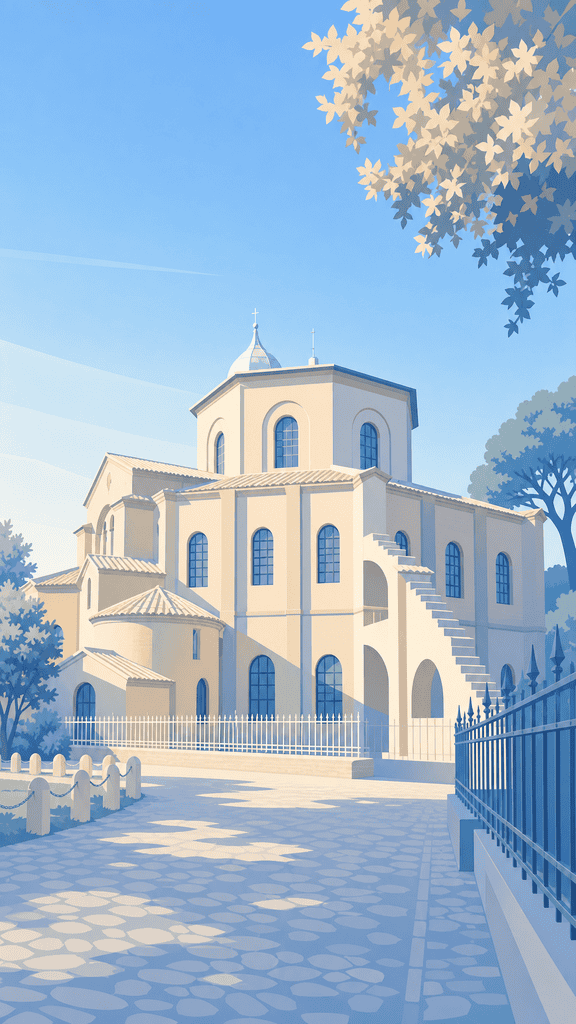
4. Basilica of San Vitale in Ravenna
The Basilica of San Vitale in Ravenna is one of the most remarkable landmarks to discover in Italy if you want to admire early Christian art. This site impresses with its original layout, harmonious interior space, and the richness of its mosaic decorations, among the most famous in Ravenna. Step inside and you will discover a solemn, light-filled atmosphere, where architecture and ornamentation blend together with elegance. A visit here lets you appreciate an exceptional artistic ensemble, a testament to the city’s historical and spiritual prestige.
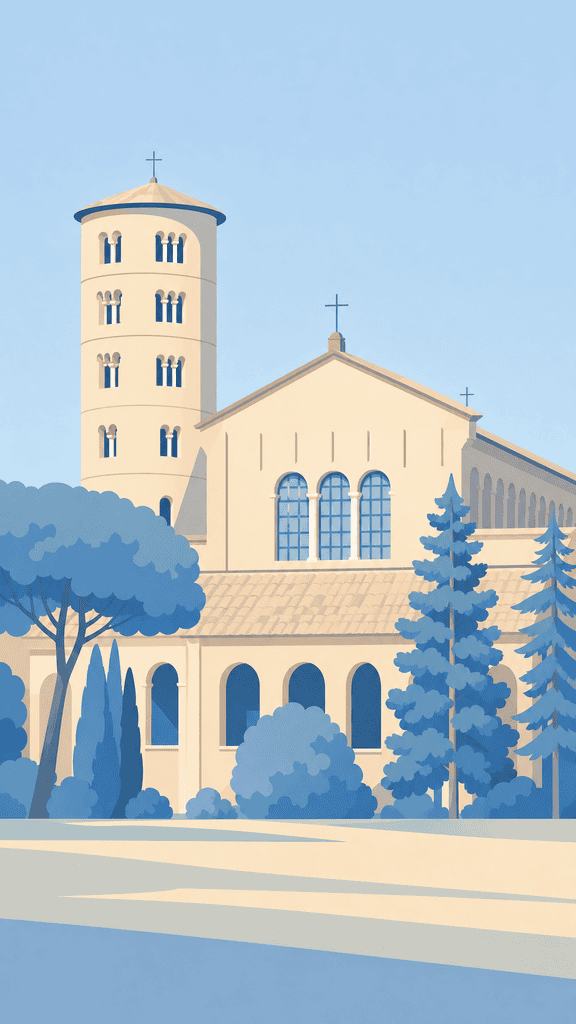
5. Basilica of Saint Apollinaris in Classe
The Basilica of Sant'Apollinare in Classe, in Ravenna, is a remarkable early Christian monument that captivates visitors with its peaceful atmosphere and restrained architecture. As you explore it, what stands out most is its vast interior space, elegant columns, and famous mosaic decorations, among the most beautiful in the city. The site offers a wonderful glimpse into Byzantine religious art in Italy, with soft light and a sense of quiet reverence. It is a must-see visit to appreciate Ravenna’s historical and artistic heritage.
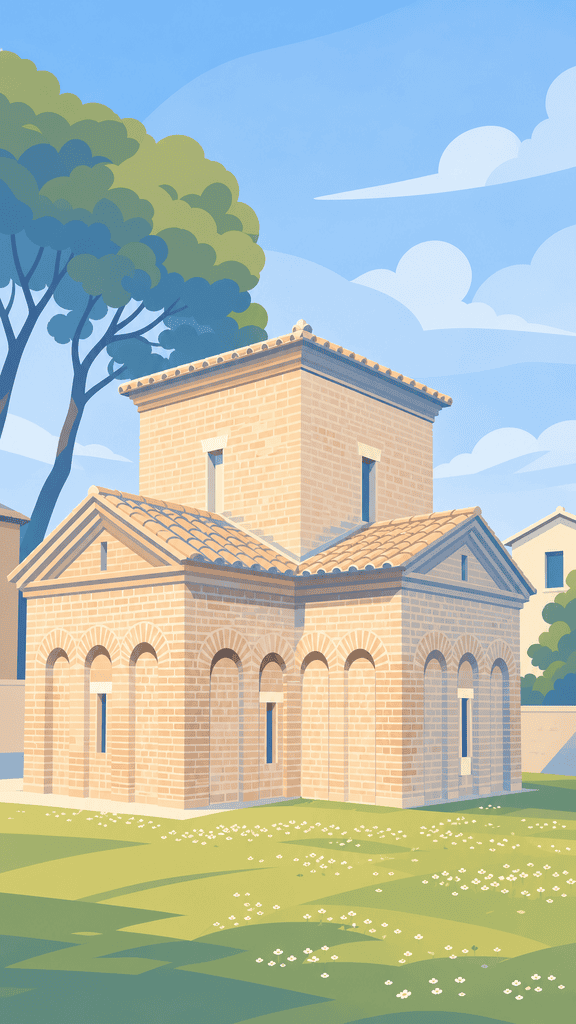
6. Mausoleum of Galla Placidia
The Mausoleum of Galla Placidia, in Ravenna, is a small monument famous for the richness of its interior decoration. From the moment you enter, you discover an intimate space with vaults entirely covered in mosaics in deep colors, where geometric patterns, Christian symbols and serene scenes blend together. The subdued light enhances the peaceful atmosphere of the place and highlights every detail. This mausoleum attracts visitors as much for its artistic beauty as for the emotion it evokes, offering one of the finest examples of Byzantine art in Italy.
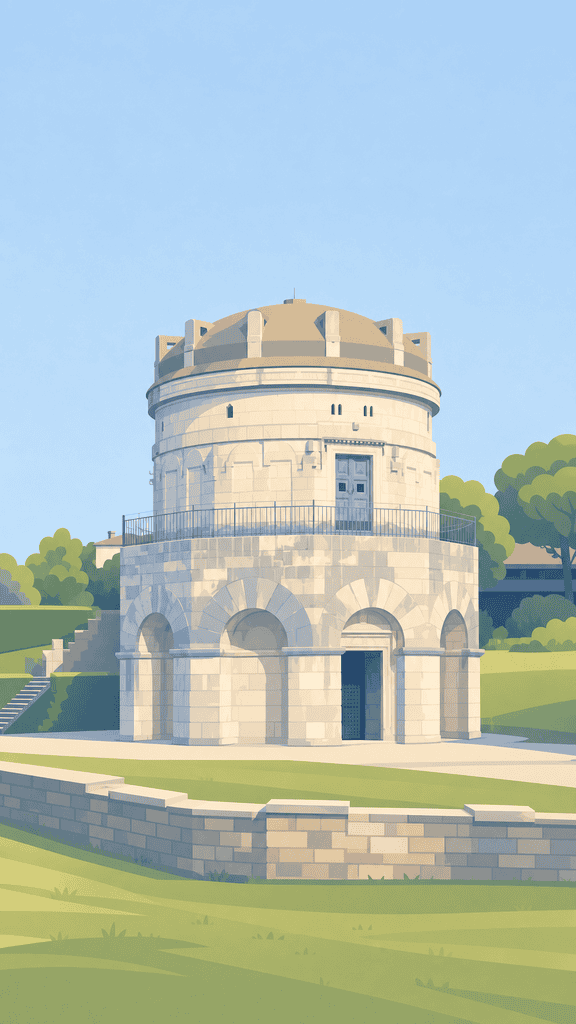
7. Mausoleum of Theodoric
The Mausoleum of Theodoric, in Ravenna, is a remarkable cultural monument distinguished by its massive architecture in pale stone and its unique silhouette. Set in a peaceful environment, it draws attention with its circular shape and upper level surrounded by a large monolithic structure. The site offers a chance to discover an emblematic example of the art and architecture of Late Antiquity, admired both for its solemn appearance and its distinctive character. A visit provides a valuable insight into Ravenna’s historical heritage.
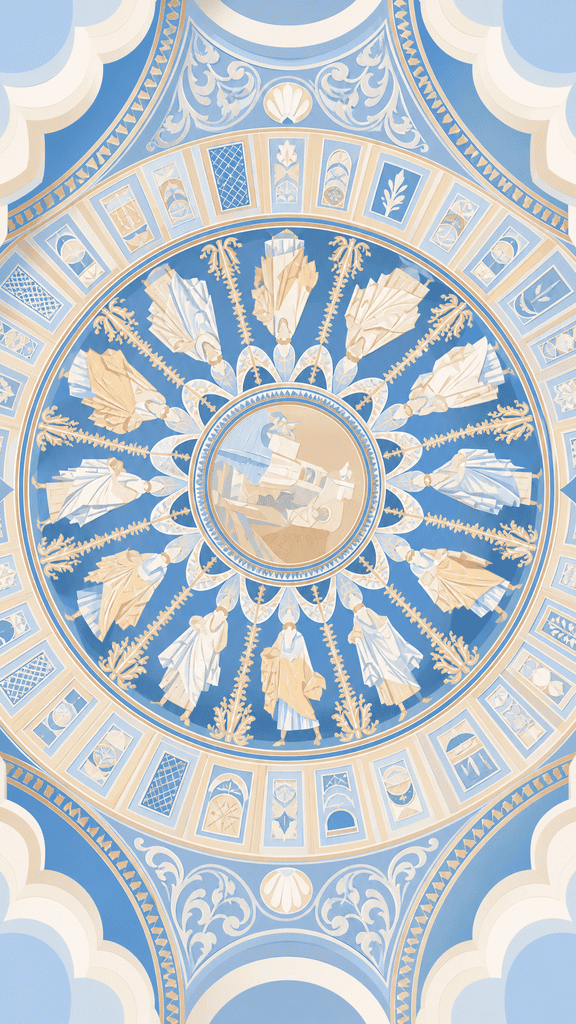
8. Orthodox Baptistery
The Orthodox Baptistery in Ravenna is one of the most remarkable monuments of the city’s early Christian heritage. Inside, visitors discover an octagonal space adorned with luminous mosaics that immediately catch the eye with their colors and details. The decoration highlights the dome and creates an intimate, solemn atmosphere typical of the first Christian places of worship. The visit also offers the chance to admire the elegance of the architecture and the refinement of the ornamentation in a building that bears witness to Ravenna’s major role in Byzantine and early Christian art.
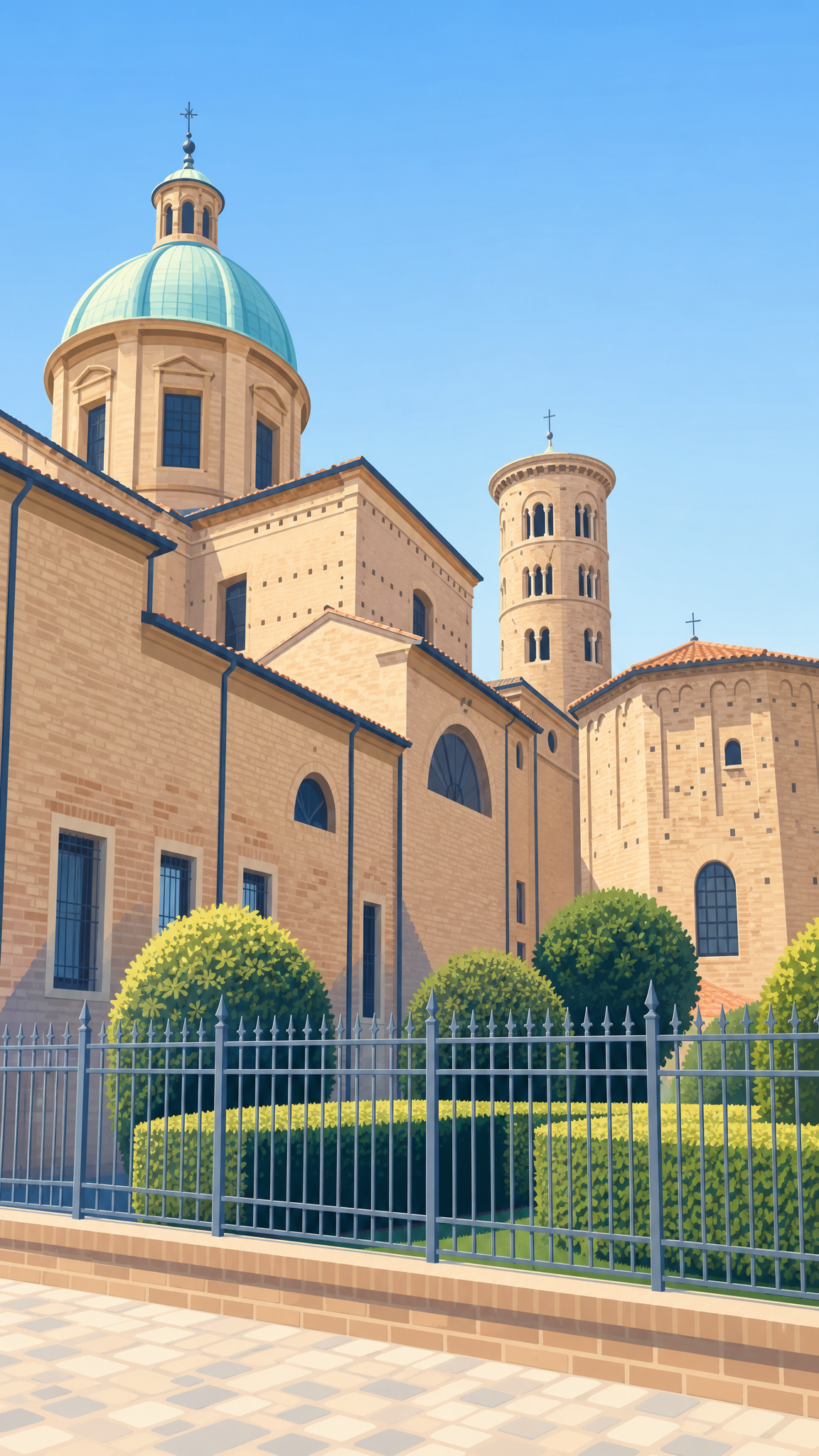
9. Archiepiscopal Museum of Ravenna
The Archiepiscopal Museum of Ravenna invites visitors to discover a collection of works and objects linked to the city’s religious history. Highlights include sculptures, architectural fragments, liturgical textiles, and sacred art pieces that reflect Ravenna’s Christian heritage. The museum is also known for its mosaic collection and for the so-called Throne of Archbishop Maximian, one of its most remarkable pieces. The visit offers a valuable insight into the art and spirituality of this historic Italian city.
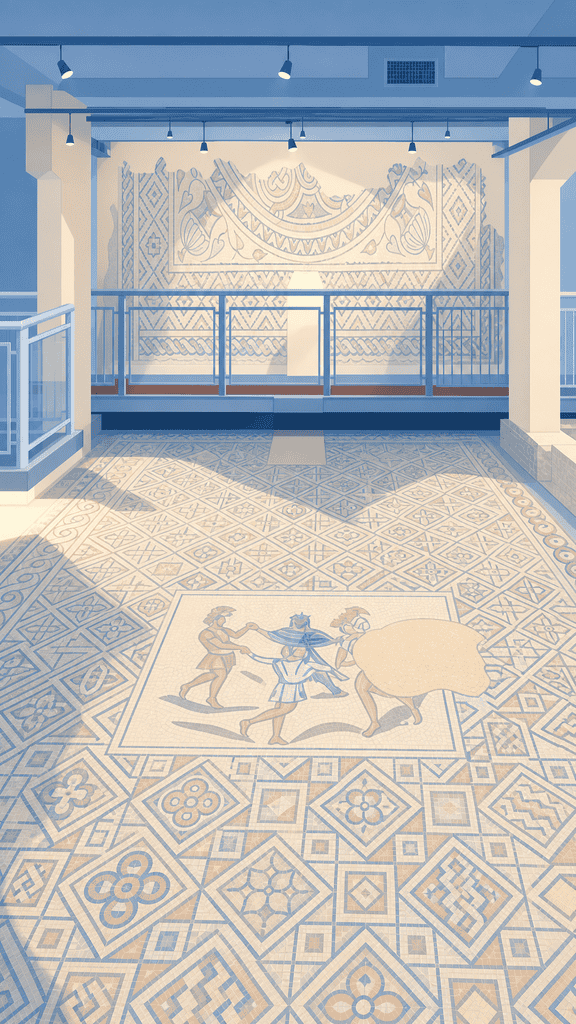
10. Domus of the Stone Carpets
In Ravenna, the Domus of the Stone Carpets lets visitors discover a remarkable underground archaeological site, where the remains of an ancient residence decorated with mosaics are revealed. The tour highlights several decorative floors with geometric and figurative motifs, preserved below the city’s current level. The visit offers a valuable glimpse into the art of stone flooring and the elegance of Ravenna’s ancient interiors. It is a must-see stop for understanding the richness of the city’s Byzantine and early Christian heritage.

Antony M
During my travels, I looked for guides who spoke my language. This search turned out to be long and tedious. That is why I created MYTOGU (My Tourist Guide): a matching site between tourists and professional tourist guides.
