Tiananmen : info and guided tour
Introduction to Tiananmen
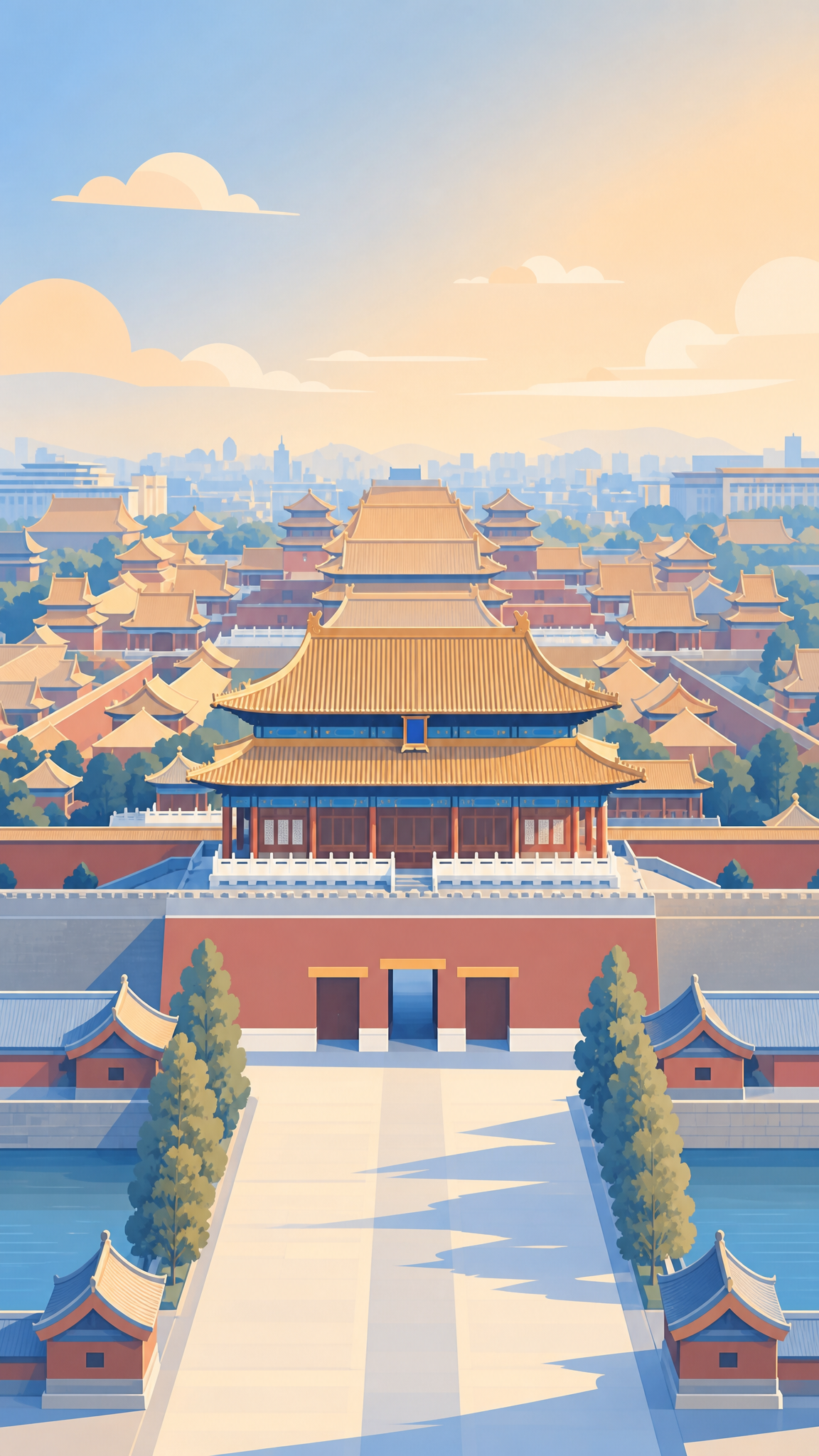
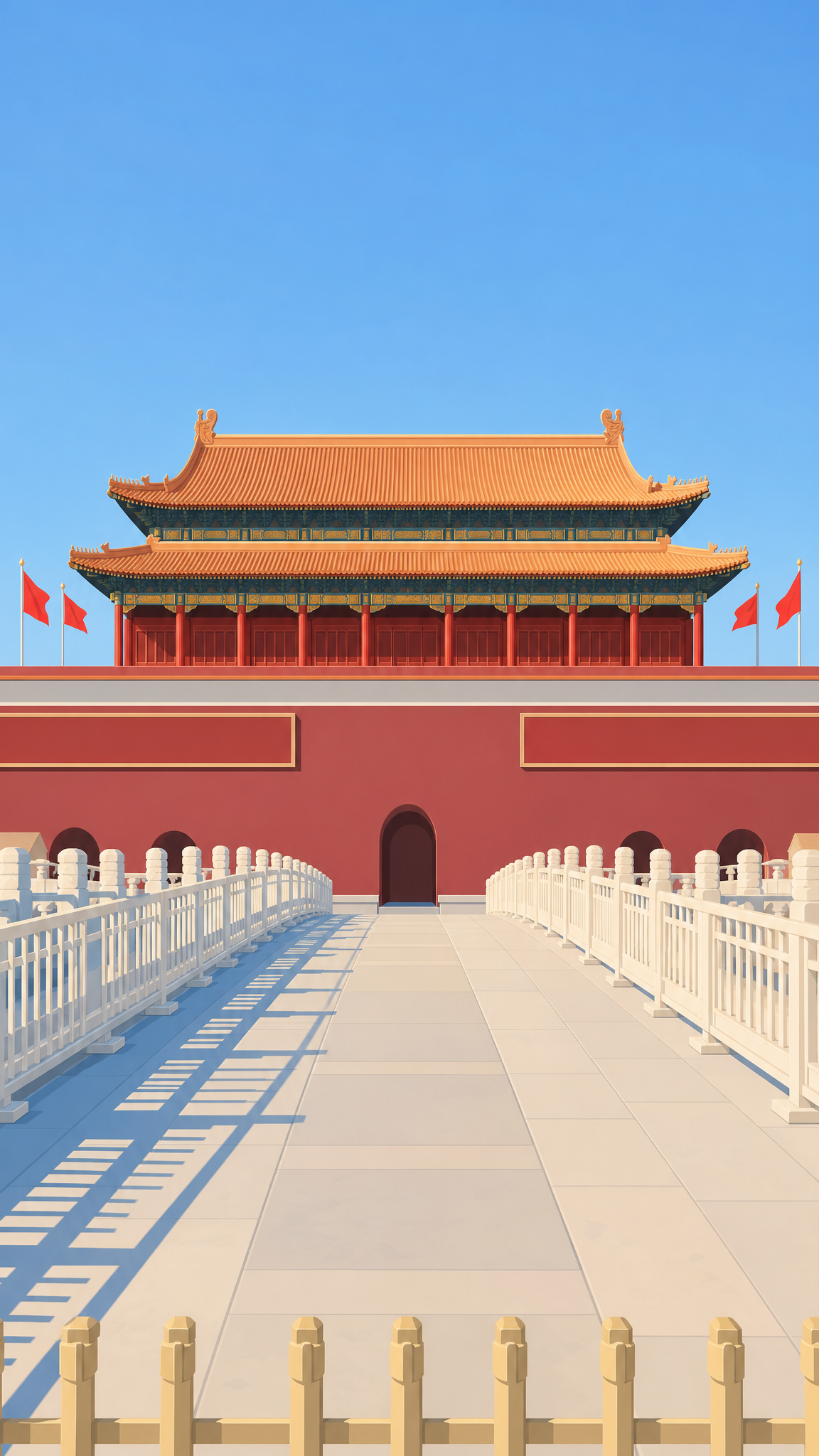
Tiananmen, the “Gate of Heavenly Peace,” is one of the most famous landmarks in Beijing. Located on the city’s historic north-south axis, it marks the entrance to the Forbidden City and overlooks the vast Tiananmen Square. An emblematic monument of the Chinese capital, it is both an architectural symbol and a major political landmark.
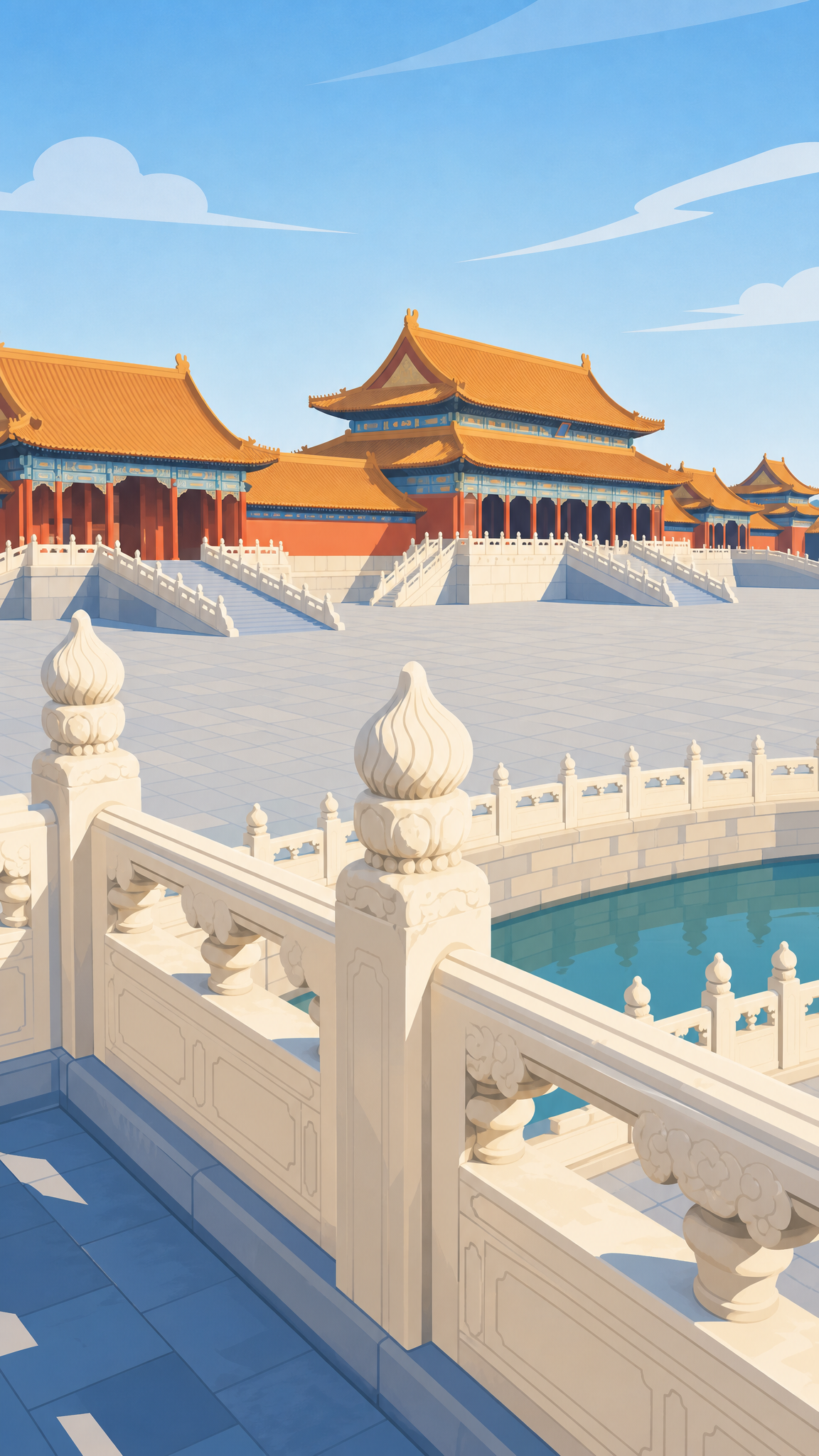
The current gate dates back to the Ming imperial era and was later rebuilt and modified over the centuries. Its classic pavilion layout rests on a massive stone base, topped with a traditional roof of glazed tiles. The whole structure, with its solemn proportions, reflects ceremonial Chinese architecture designed to impress and organize space.
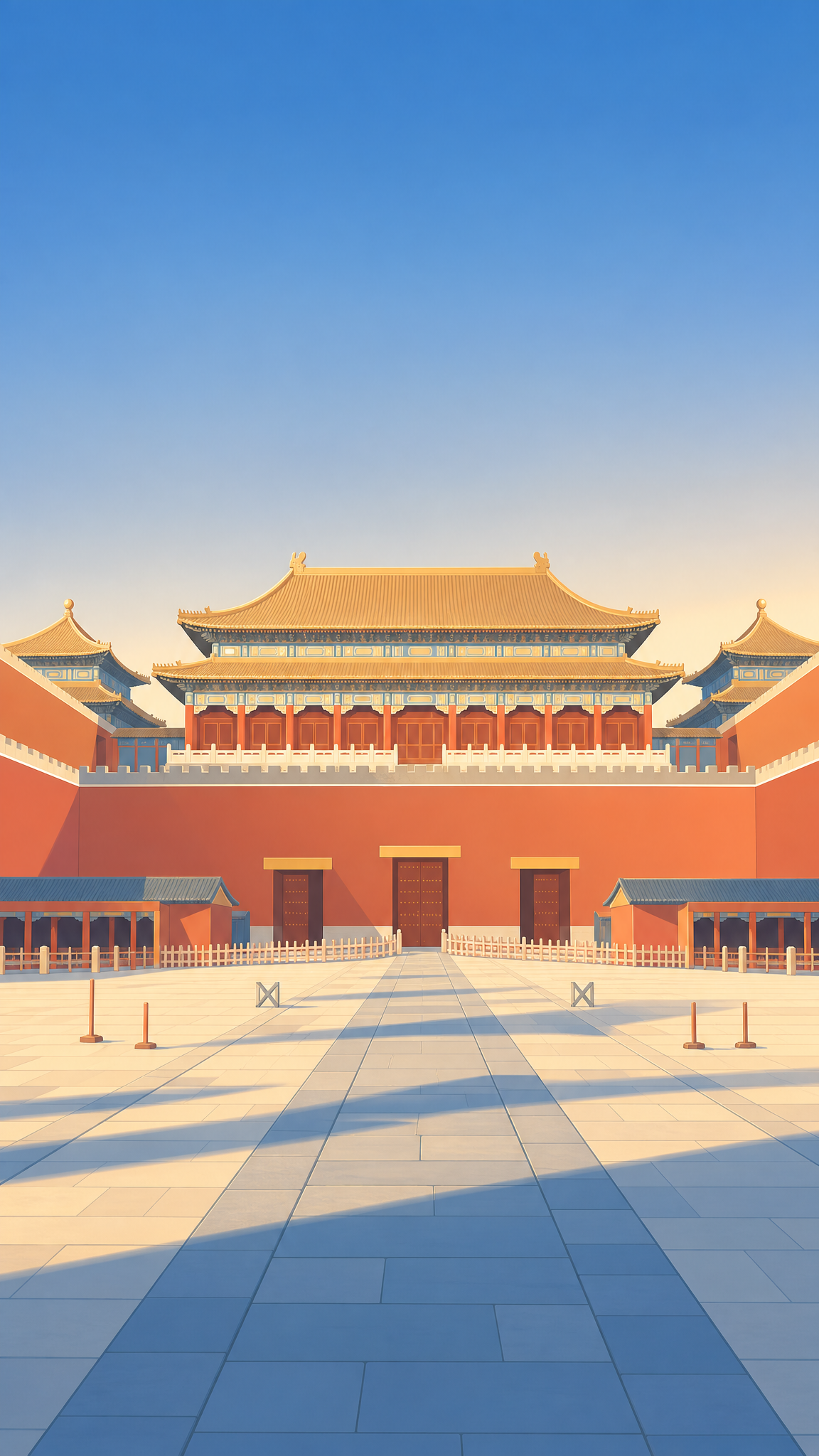
Recognizable by its red façade and five openings, Tiananmen belongs to the tradition of the great monumental gates of imperial China. At the top, the portrait of Mao Zedong and the national emblems immediately draw the eye, while the walls and colonnades reinforce the symmetry of the site. The whole ensemble is often photographed from the square.
The site is also known for its central role in Chinese public life, due to its proximity to Tiananmen Square and the Forbidden City. People come here as much to admire a historic monument as to understand Beijing’s ceremonial layout, where each architectural element highlights the symbolic importance of this imperial gateway.
Discover Beijing with a private guide
A private guide can help you read Tiananmen beyond its façade, explaining its role in Beijing’s layout, its imperial history, and its visible symbols. Their insight also provides useful context on the nearby square, the Forbidden City, and the architectural features that make this site an essential landmark of the city.