Forbidden City : info and guided tour
Introduction to the Forbidden City
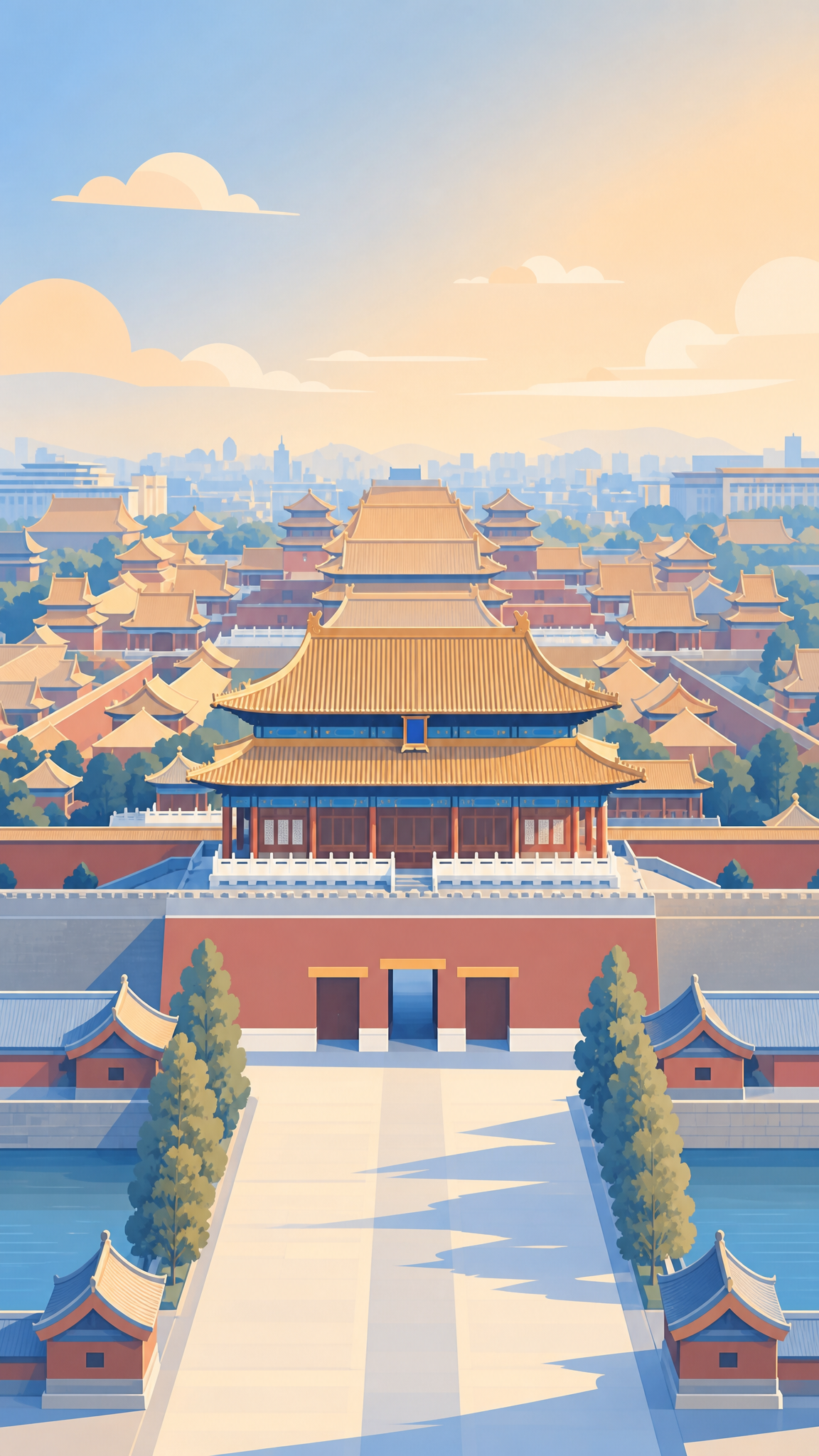
The Forbidden City in Beijing is the former imperial palace of the Ming and Qing dynasties, now transformed into a museum. Located in the heart of the Chinese capital, this vast enclosed complex long symbolized imperial power and the ritual organization of the court. Its name evokes the access once strictly reserved for the emperor and his entourage.
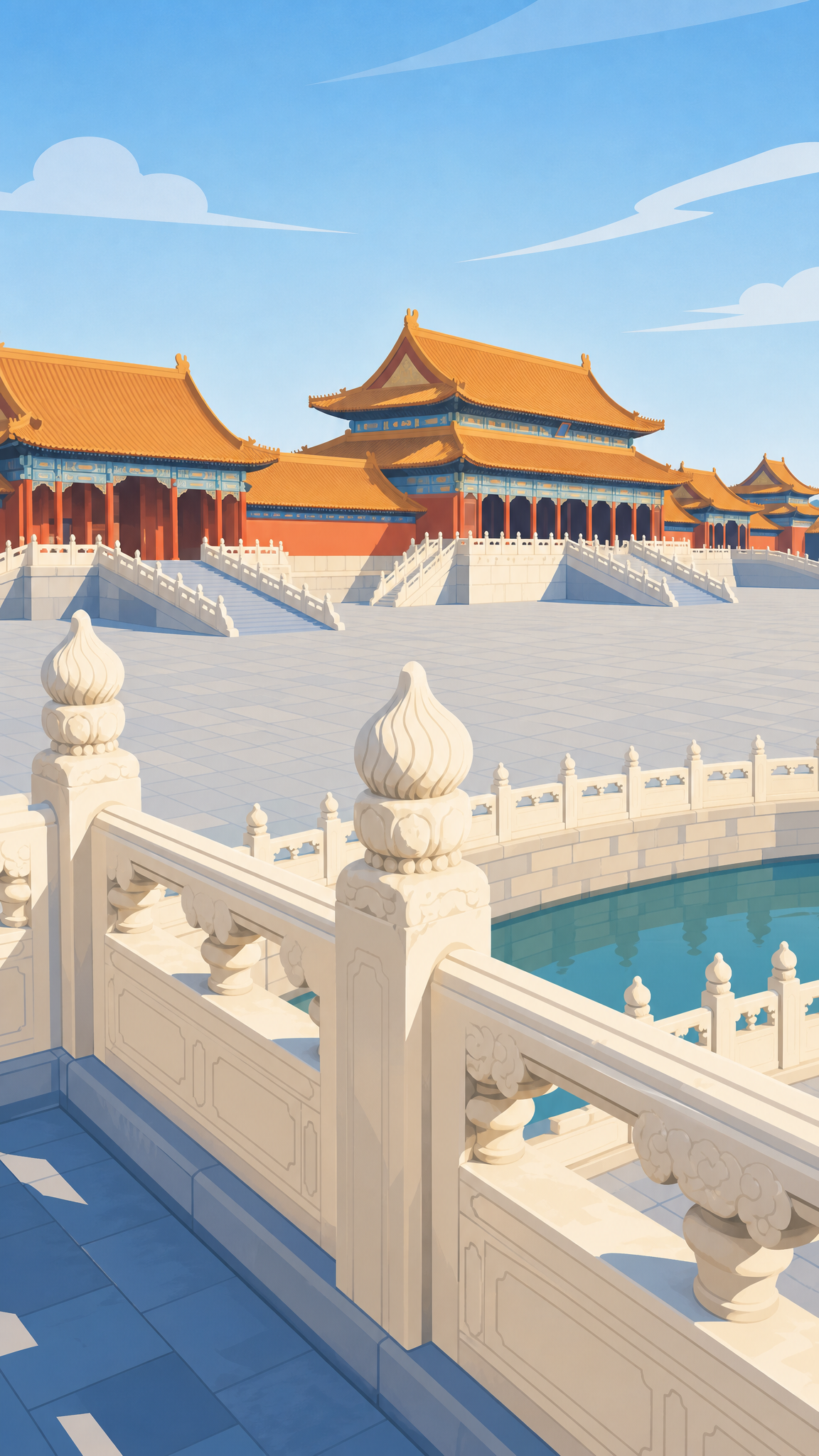
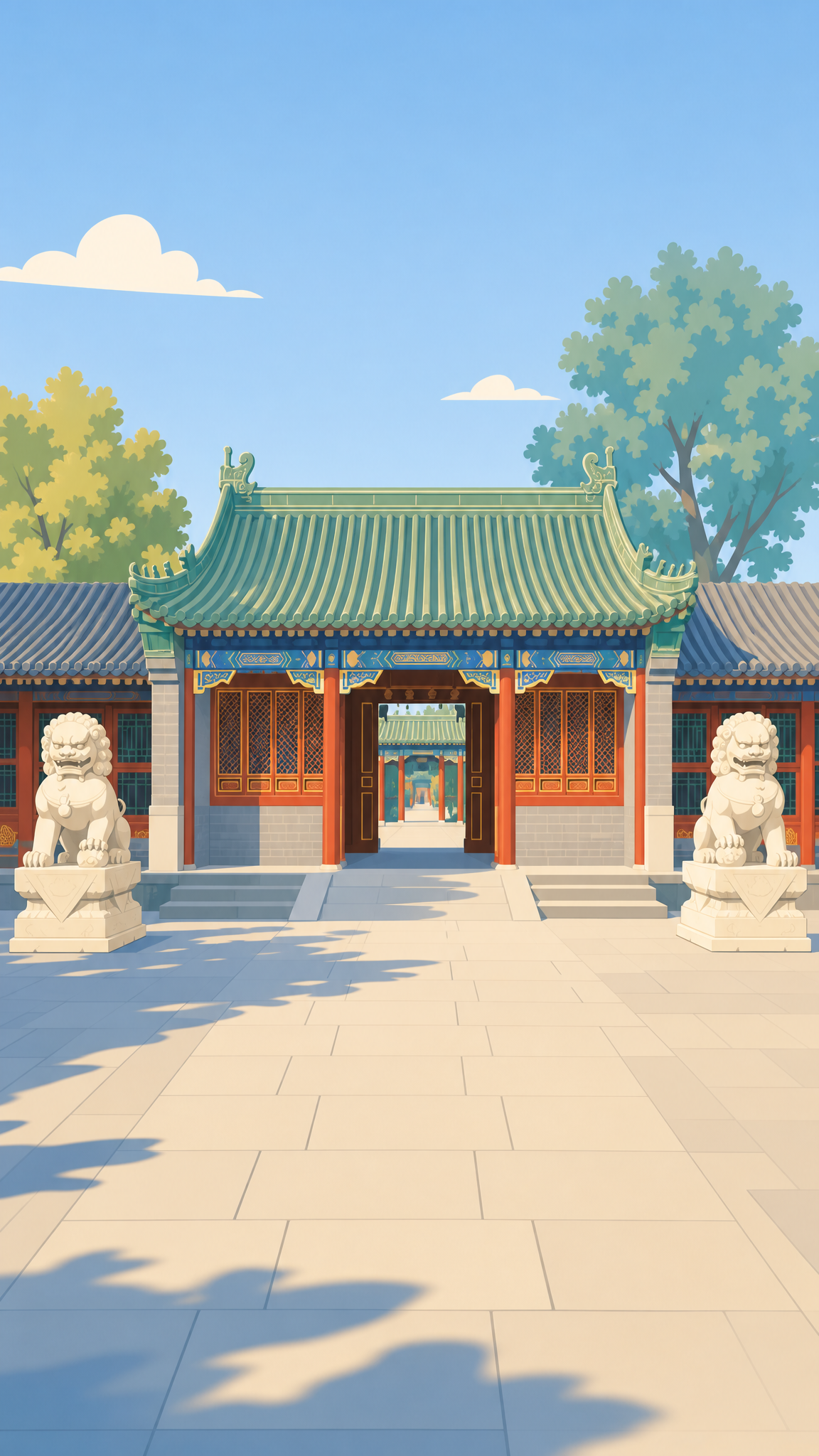
The site is distinguished by monumental wooden architecture, organized around large courtyards, ceremonial gates, and pavilions aligned along a central axis. The roofs with glazed tiles, painted decorations, and traditional colors, notably red and yellow, give the whole site an immediately recognizable visual identity in the history of Chinese art.
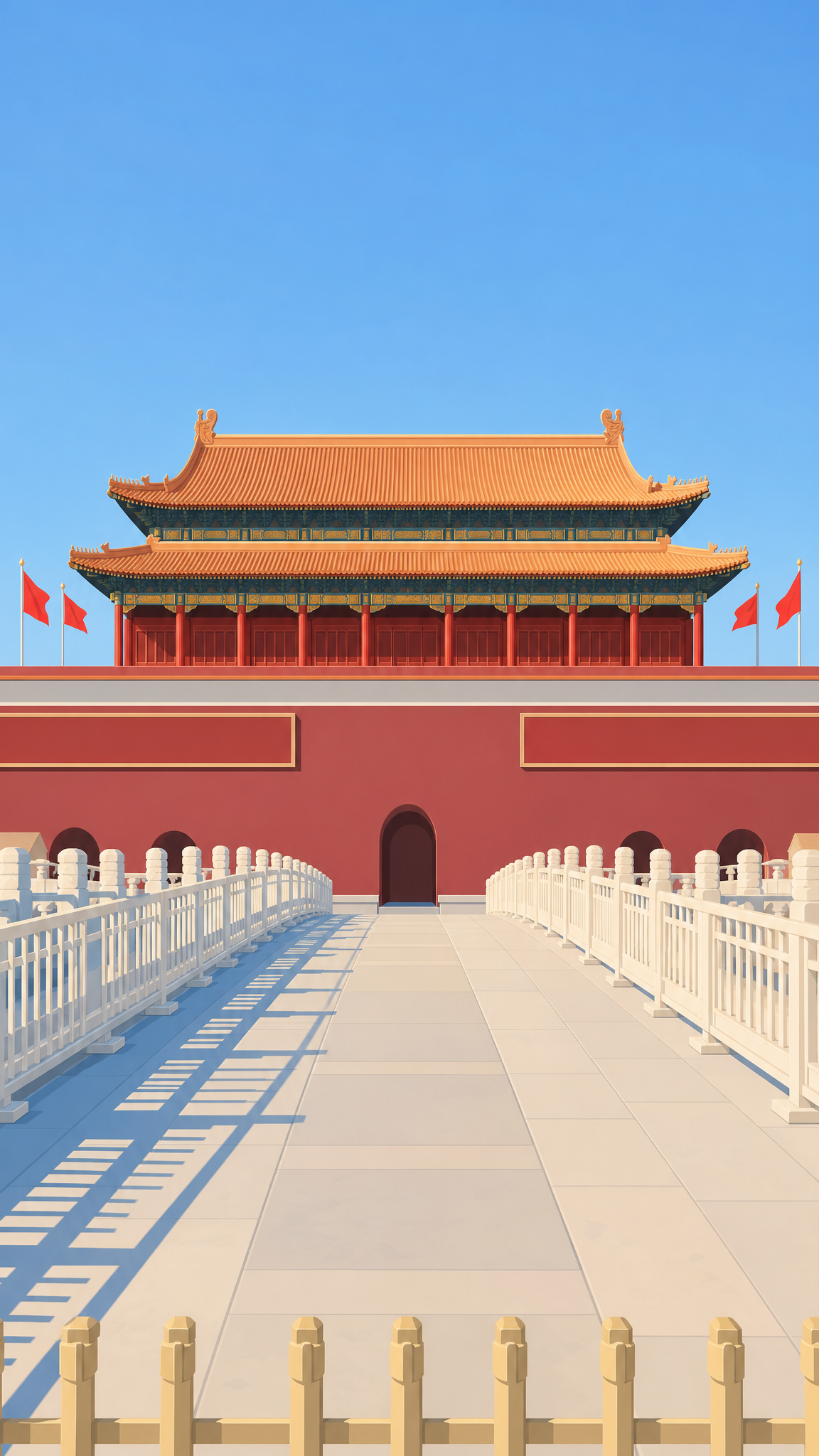
Listed among the country’s major historical museums, the Forbidden City preserves a remarkable heritage of furniture, artworks, paintings, and imperial treasures. Among the most famous areas are the Meridian Gate, the Gate of Supreme Harmony, and the vast reception halls, which help illustrate court etiquette and the staging of power.
This place is renowned as much for its scale as for its exceptional heritage value. Walking through its enclosures and inner gardens, visitors discover a coherent urban ensemble, carefully laid out, which remains one of the most important examples of traditional palace architecture in China.
Discover Beijing with a private guide
A private guide can help you understand the layout of the Forbidden City more clearly, place its halls in the context of Chinese imperial history, and point out architectural or artistic details that are easily missed on a self-guided visit. Their guidance also sheds light on the role of the palace in historic Beijing.