
10 Best Things to Do and See in Beijing
Exploring Beijing on foot is one of the best ways to feel the city’s atmosphere, connect its landmark places and discover its neighbourhoods at a more natural pace.
In this guide, you will find the attractions not to miss when planning a walking route in Beijing, with simple reference points.
To go further, you can also enjoy a private guided tour in Beijing. It is a smoother way to connect places, understand details you might miss on your own and enjoy a more human, personal discovery adapted to your trip.
1. Forbidden City
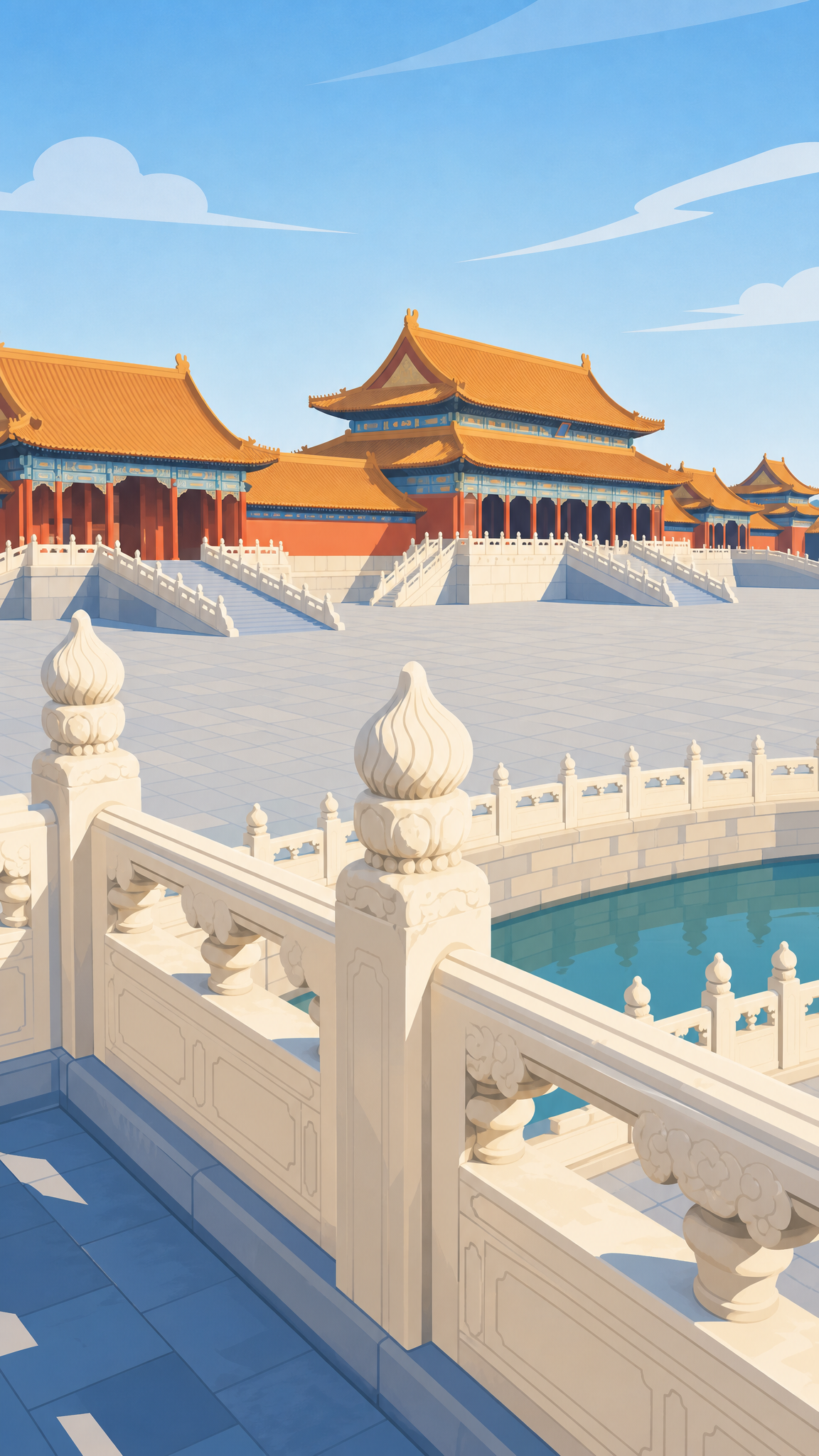
In the heart of Beijing, the Forbidden City reveals a vast complex of palaces, courtyards and pavilions that showcase the grandeur of imperial Chinese architecture. Today listed among the city’s major museums, this site lets visitors discover collections of artworks, furniture, ceramics, paintings and historical treasures linked to the imperial court. As you walk through its monumental spaces, you can also observe the strict layout of a former imperial residence, with its glazed roofs, solemn gates and refined decorative details.
2. Tiananmen Square
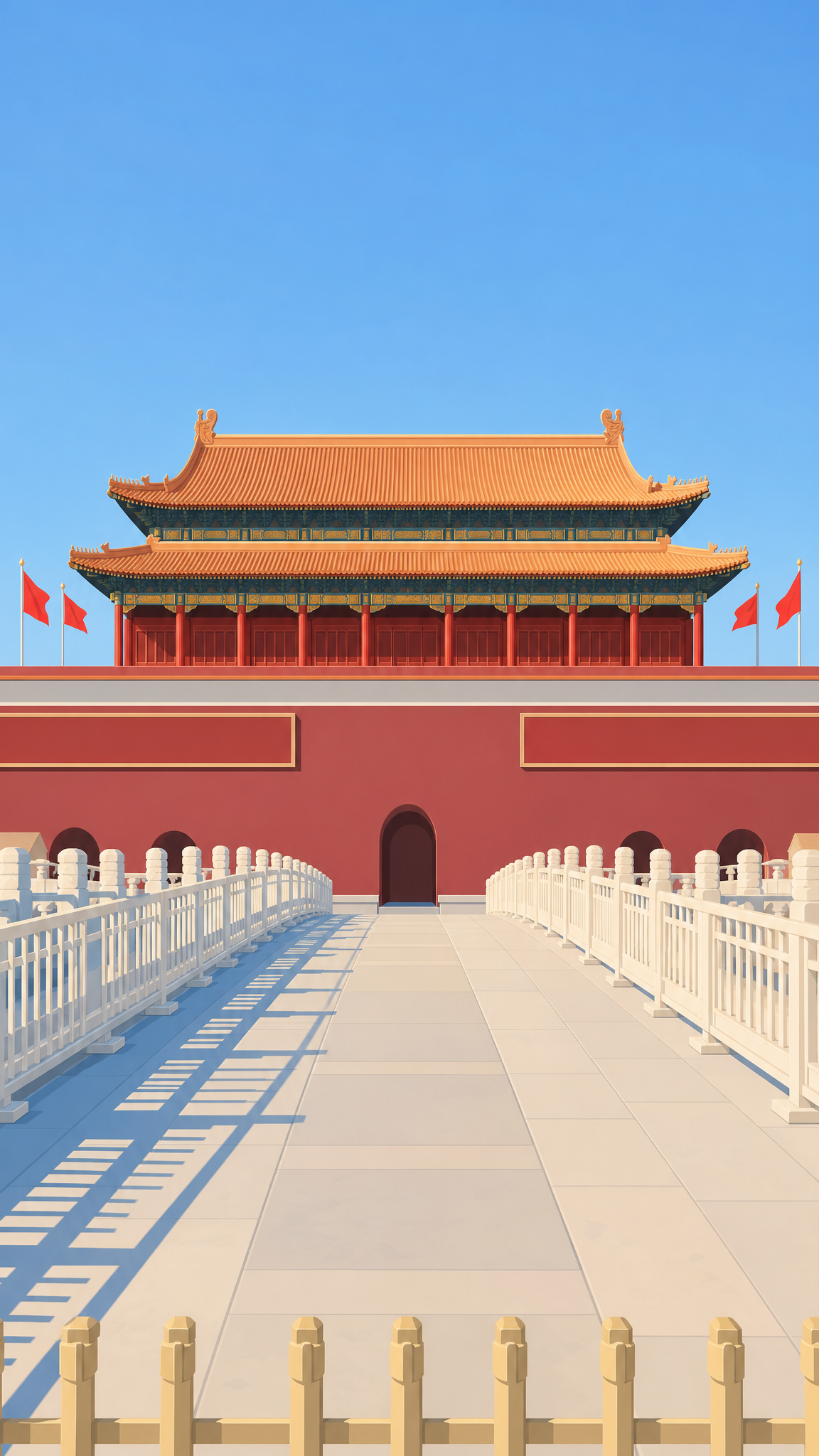
In the heart of Beijing, Tiananmen Square is a vast, iconic open space where monuments, government buildings and the capital’s main avenues come together. A walk through the square reveals, in particular, the entrance to the Forbidden City, Mao Zedong’s mausoleum, the Monument to the People's Heroes and, all around, monumental architecture that gives the whole area a strong historical and symbolic significance. Heavily visited by both travelers and locals, it offers an impressive experience, combining urban scale, political heritage and a must-see place to understand Beijing.
3. Temple of Heaven
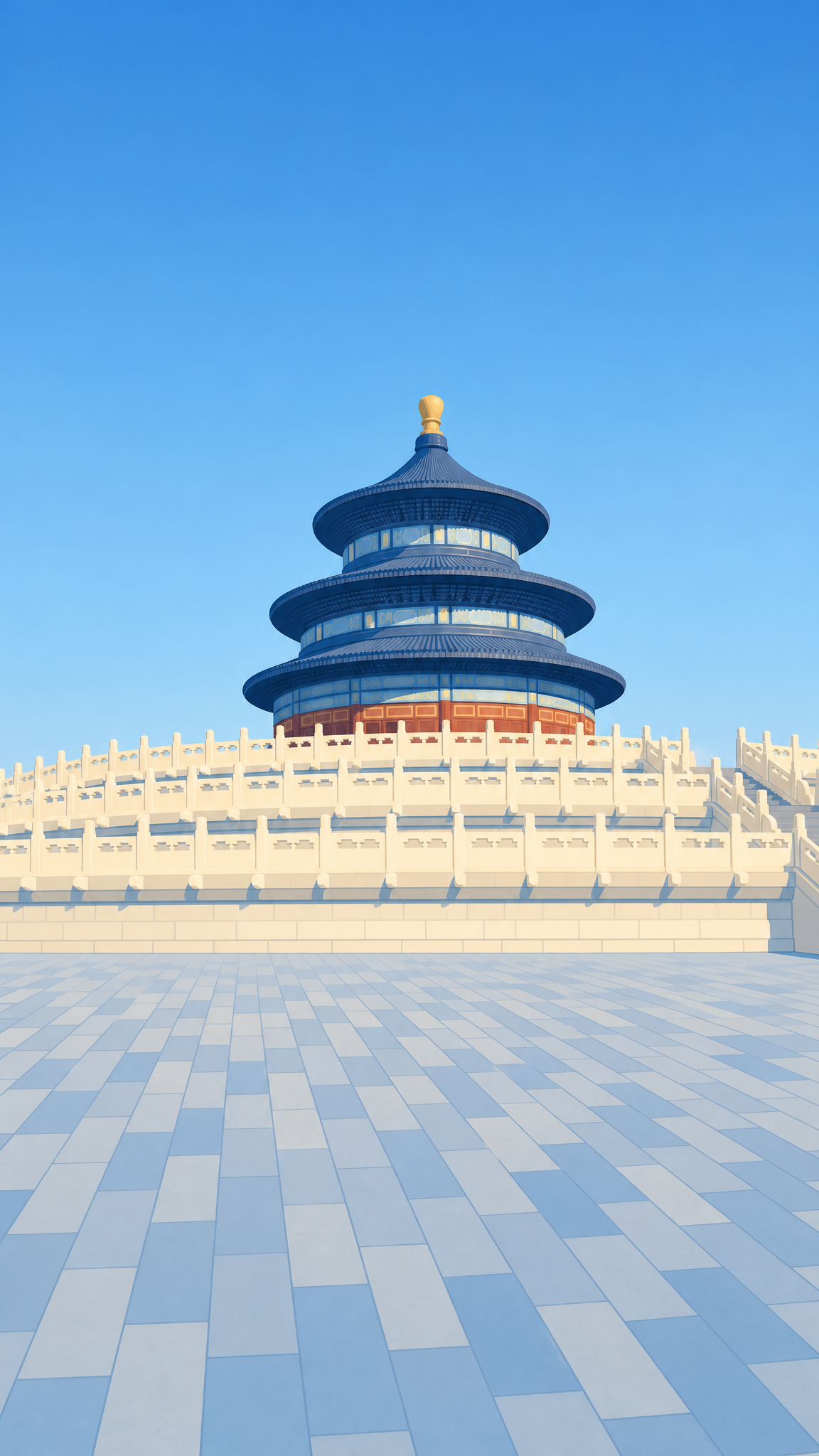
The Temple of Heaven in Beijing is one of the most iconic architectural complexes in the Chinese capital. This vast worship site, surrounded by peaceful gardens, appeals with its elegant pavilions, shaded pathways, and open spaces where locals come to walk, practice tai chi, or relax. Visitors can discover harmonious traditional Chinese architecture, designed to impress with its circular forms and vivid colors. The atmosphere is both solemn and calming, offering a wonderful immersion in the city’s history and culture.
4. Tiananmen
Tiananmen Square, in the heart of Beijing, is one of the most iconic landmarks in the Chinese capital. It is distinguished by its vast monumental open space, wide avenues, and the official buildings that surround it, creating a sense of grandeur and solemnity. It is also an ideal starting point for discovering several major nearby sights, including historic gates and important institutions. Very popular with visitors, it offers a chance to observe a symbolic urban landscape where architecture, history, and public life come together.
5. Beihai Park
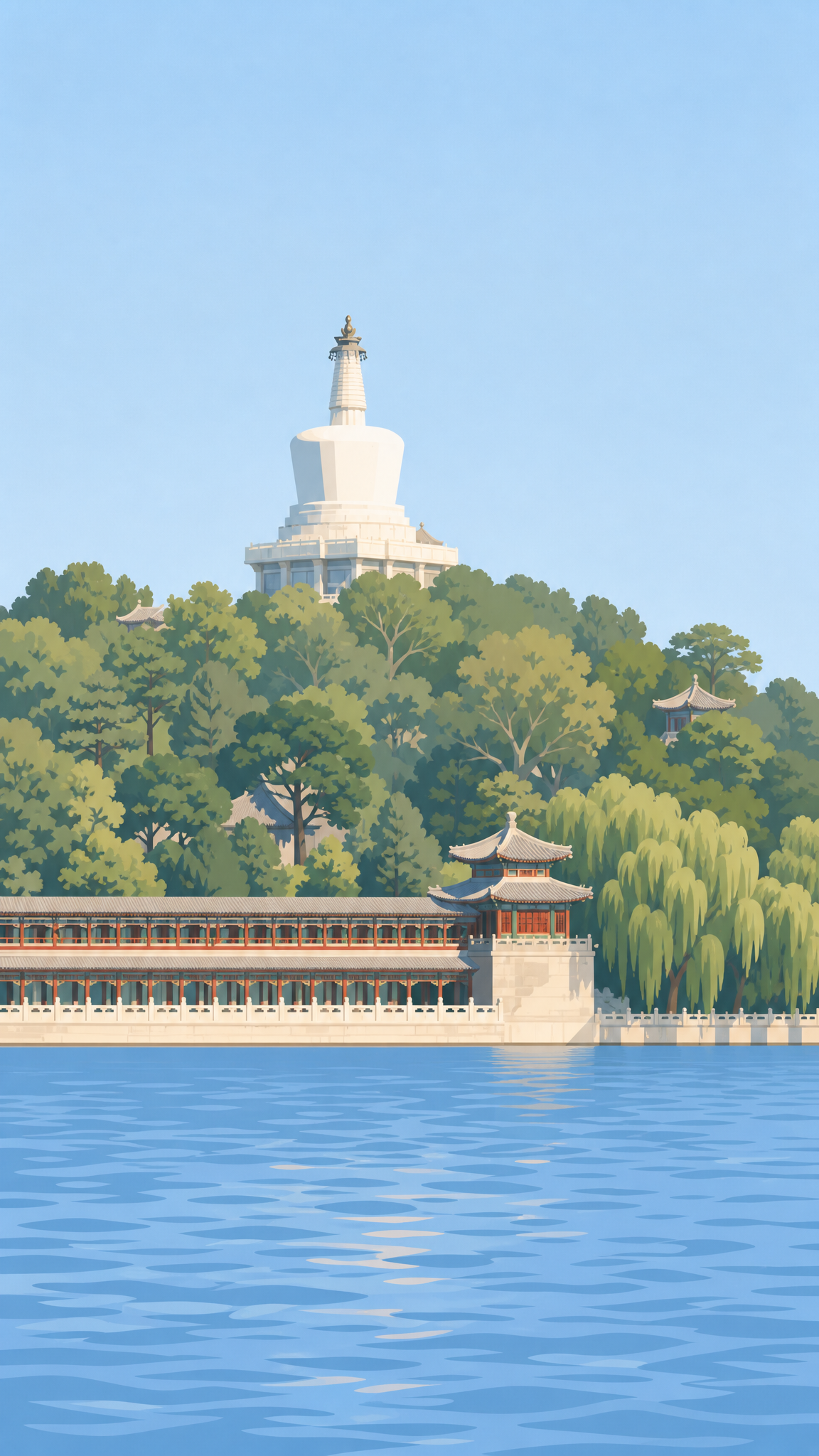
Beihai Park, located in the heart of Beijing, is one of the city’s oldest and most famous green spaces. It features a large, peaceful lake, islands, elegant bridges, traditional pavilions, and shaded paths that invite visitors to stroll. Popular with both locals and travelers, this site offers a beautiful glimpse of Chinese garden design, with harmonious scenery and a relaxing atmosphere. It is a pleasant stop to observe local life, unwind, and admire an iconic setting in China’s capital.
6. Jingshan Park
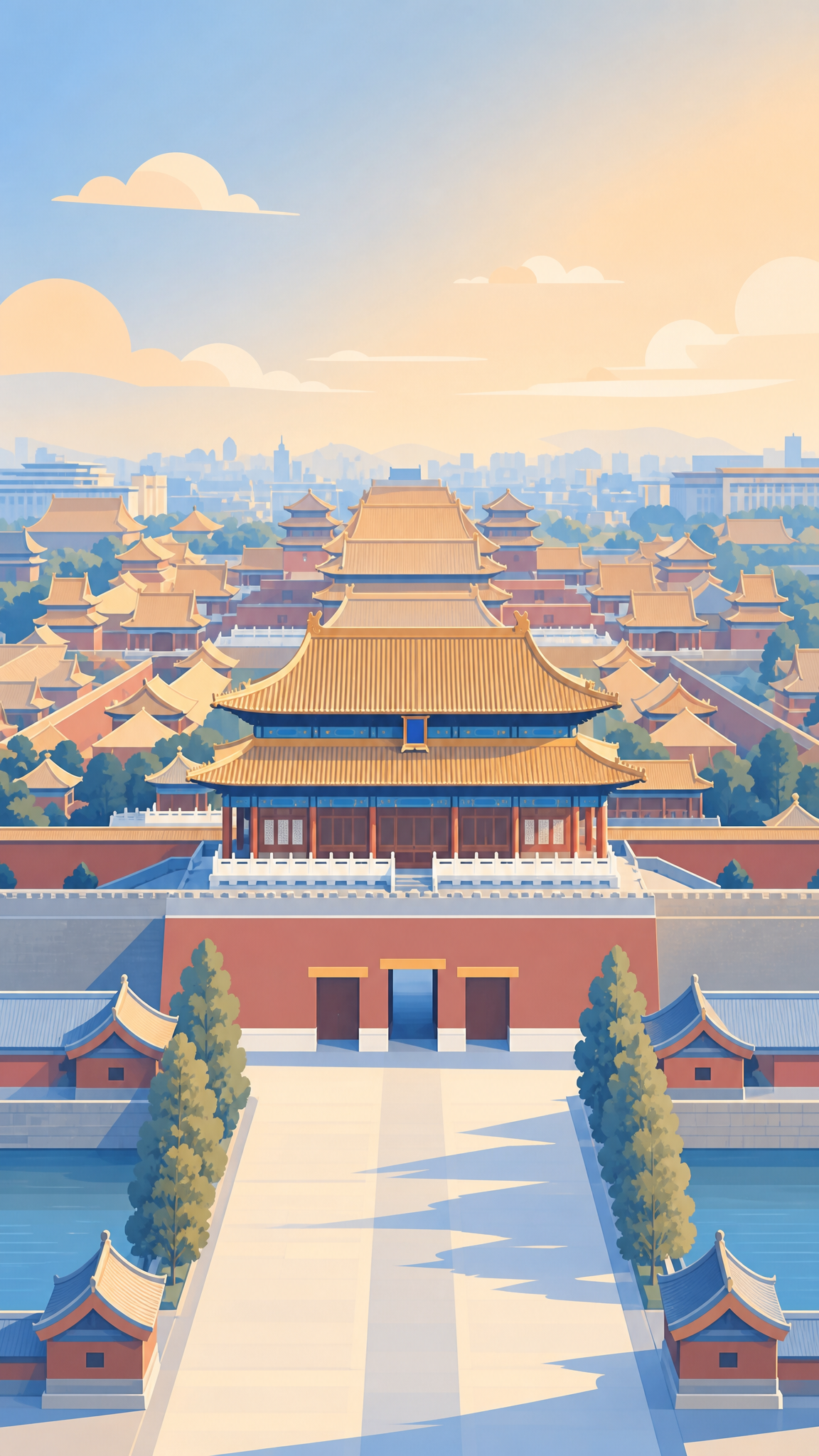
Jingshan Park, in the heart of Beijing, offers a peaceful break just steps from the Forbidden City. This vast landscaped garden lets visitors discover tree-lined paths, elevated viewpoints, and traditional pavilions in a very pleasant atmosphere. From its central hill, you can enjoy remarkable panoramic views over the rooftops of the old city and the surrounding landmarks. A favorite spot for strolling, relaxing, and admiring the scenery, it combines nature, Chinese architecture, and spectacular views in the center of the capital.
7. Prince Gong Mansion
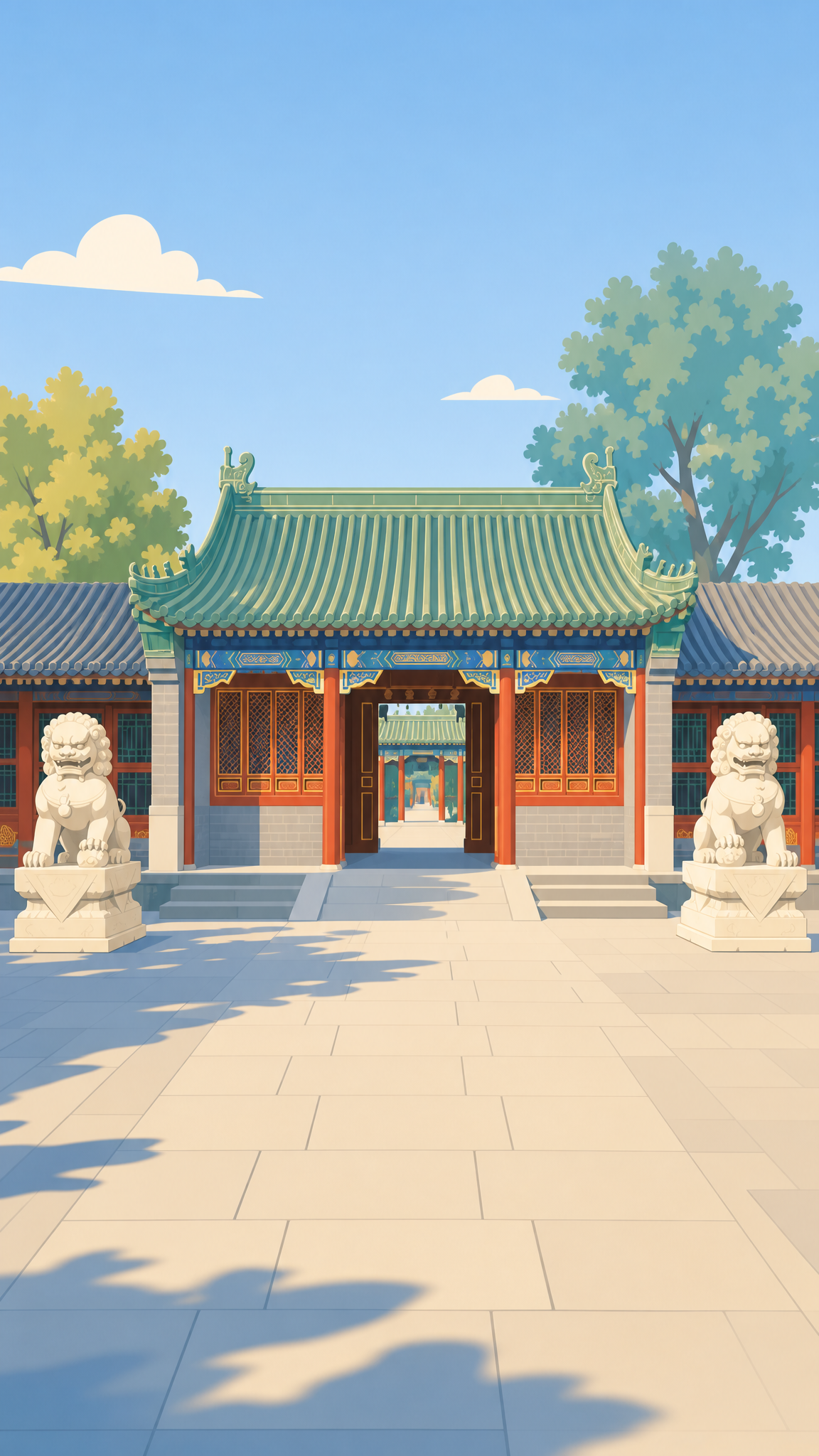
The Prince Gong Mansion in Beijing is a vast historic complex that offers a glimpse into a traditional Chinese aristocratic residence in the heart of the city. As you walk through its courtyards, pavilions and gardens, you can admire elegant architecture, refined decor and an atmosphere that evokes the life of the grand imperial mansions. The site also includes museum spaces presenting the history of the place and the local heritage. It is an ideal visit to admire the art of the Chinese garden and better understand Beijing's past.
8. National Centre for the Performing Arts
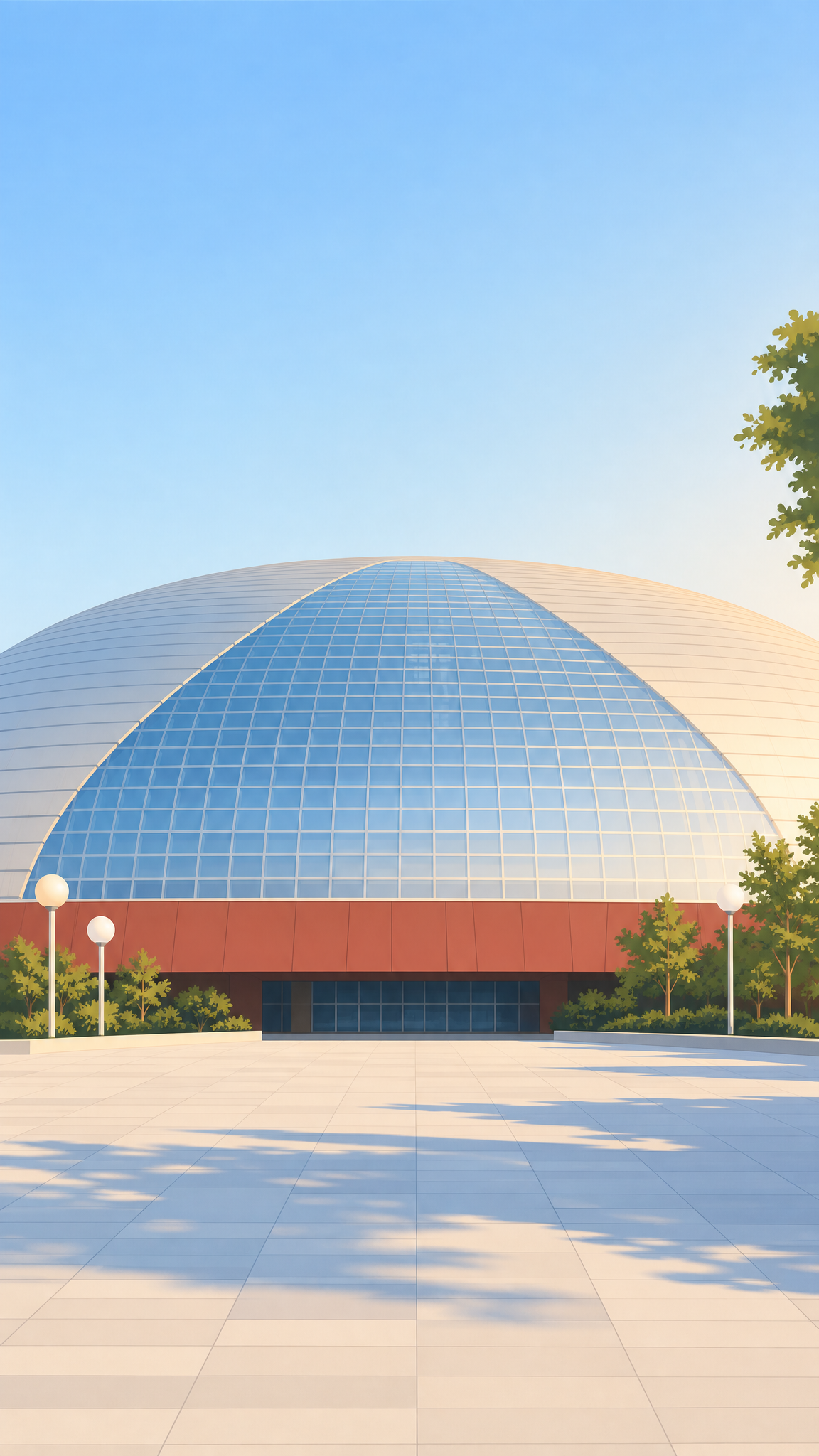
The National Centre for the Performing Arts, in Beijing, is one of the capital’s major cultural landmarks. Its contemporary architecture, instantly recognizable for its spectacular shape, houses several spaces dedicated to opera, theatre, music, and dance. Visitors can discover modern performance halls, exhibitions related to the performing arts, and an elegant atmosphere focused on artistic creation. Located near the historic heart of the city, the centre attracts both performing arts enthusiasts and architecture lovers.

9. Mao Zedong Mausoleum
At the heart of Tiananmen Square, the Mausoleum of Mao Zedong is a much-visited place of reflection in Beijing. Visitors discover a solemn space dedicated to the memory of the former Chinese leader, with a hall where his embalmed body lies, presented in a strict ceremonial setting. The experience is marked by silence, waiting, and respect for the visiting rules. This monument attracts visitors both for its historical and political significance and for its symbolic role in the Chinese capital.
10. Meridian Gate
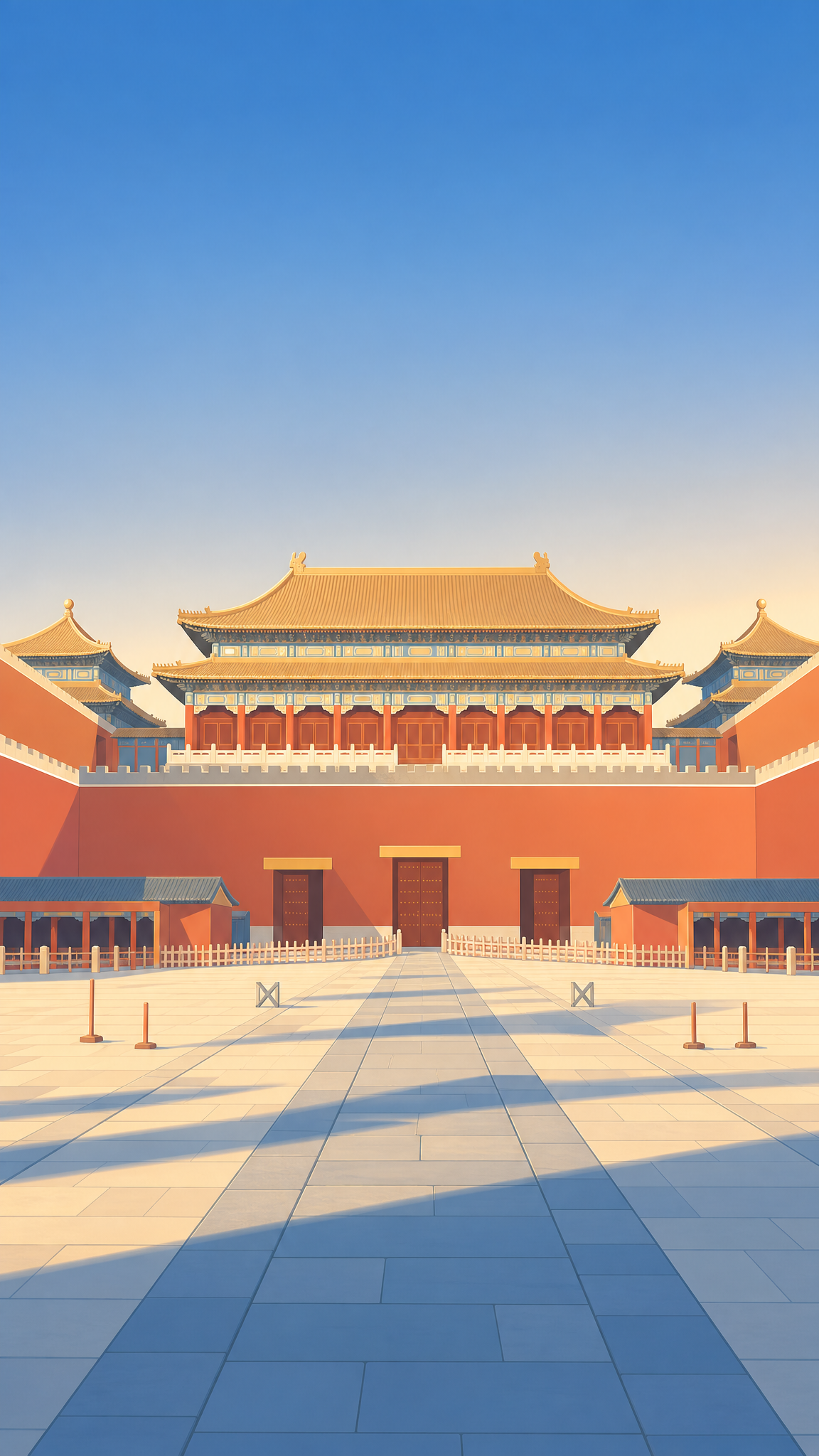
The Meridian Gate, or Gate of Noon, is the grand southern entrance to the Forbidden City in Beijing, one of China’s most iconic historic sites. A walk here reveals a vast imperial gate with traditional roofs, imposing walls, and courtyards opening onto the solemn architecture of the palace. The site offers a first glimpse of the grandeur of the former imperial residence, with its symmetrical layout, bold colors, and atmosphere steeped in history. It is also an ideal starting point for exploring the entire complex.

Antony M
During my travels, I looked for guides who spoke my language. This search turned out to be long and tedious. That is why I created MYTOGU (My Tourist Guide): a matching site between tourists and professional tourist guides.
