Karnak : info and guided tour
Introduction to Karnak
Karnak refers to the immense religious complex of ancient Thebes, today in Luxor, on the east bank of the Nile. It is a collection of temples, pylons, hypostyle halls, and sanctuaries devoted mainly to the god Amun, to which other cults were added over the centuries. The site is among the largest religious complexes of ancient Egypt.
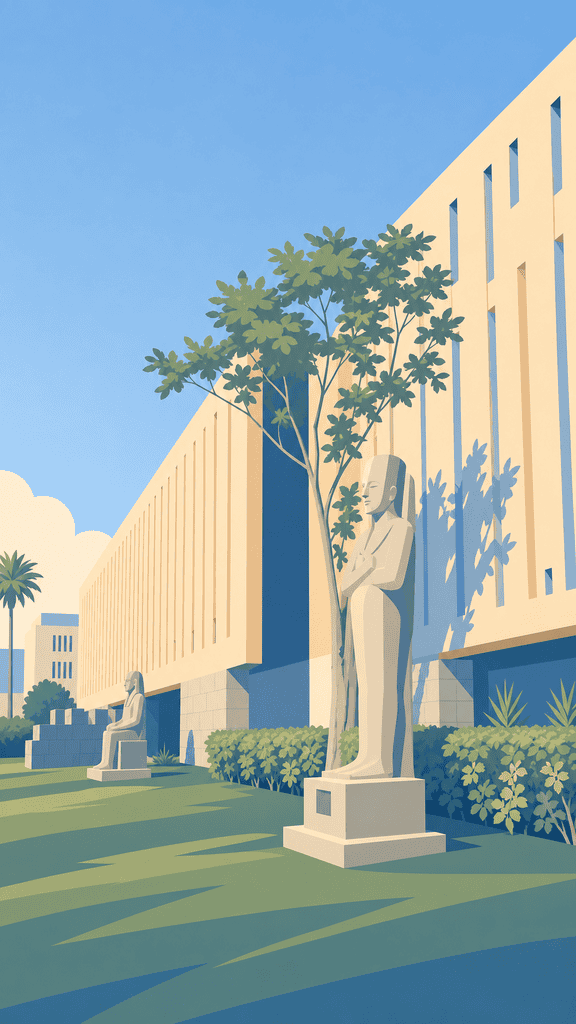
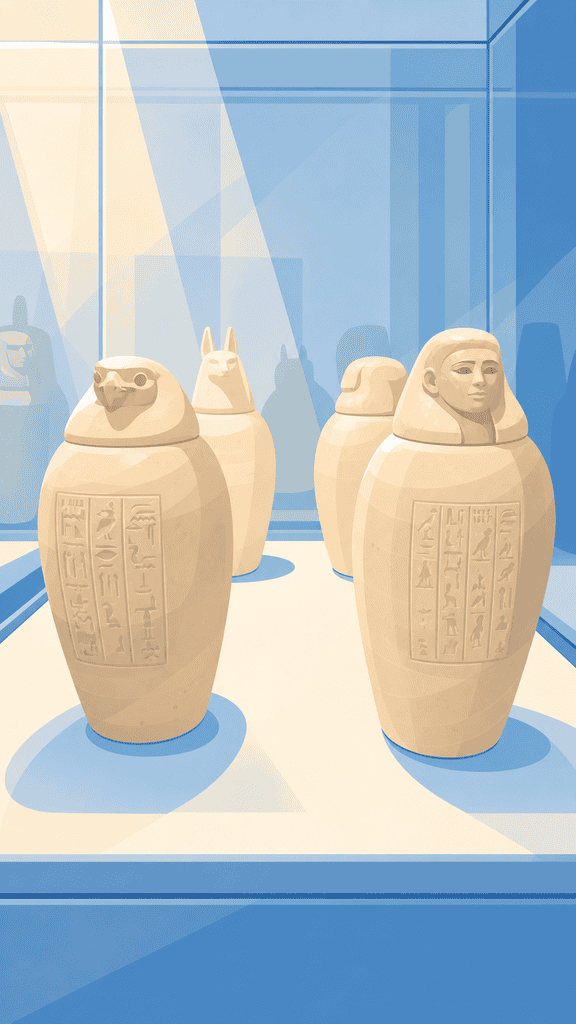
Its architecture is impressive for its monumental alignments, colossal columns, and successive courtyards that structure the visit. The great hypostyle hall, with its forest of columns carved with reliefs, is one of the site’s most famous spaces. There you can also see obelisks, statues, bas-reliefs, and inscriptions that bear witness to the power of the pharaohs.
Karnak is particularly renowned because it was expanded and transformed over many centuries by several rulers of ancient Egypt. This long history can be seen in the diversity of styles and materials used. The complex now forms a major archaeological ensemble, essential for understanding the religion, power, and monumental art of pharaonic Egypt.
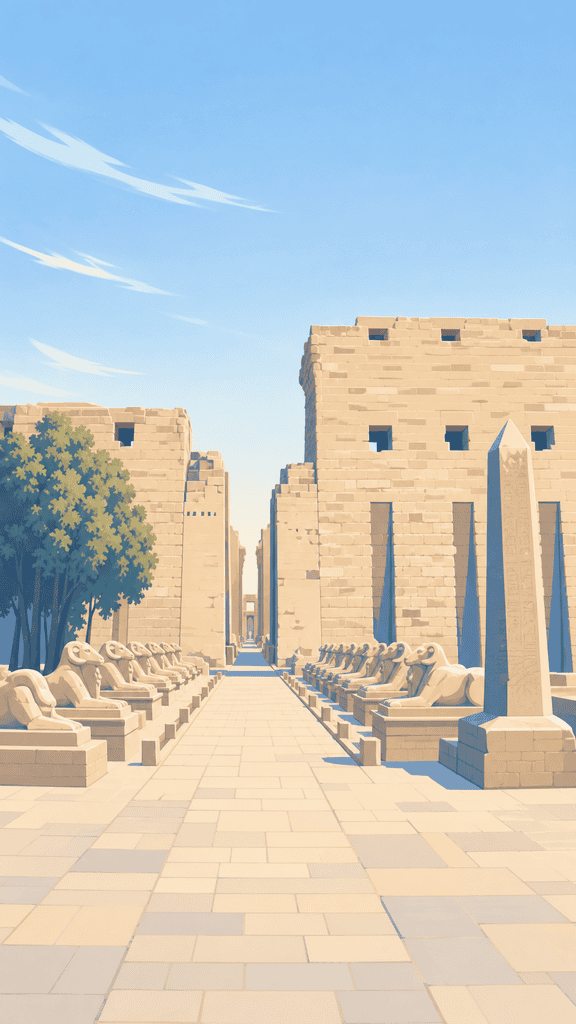
Among the emblematic features to see are the enclosure of Amun-Ra, the great avenues lined with sphinxes, and the successive pylons that mark the entrance to the different parts of the sanctuary. The whole site, located in Karnak, in Luxor, offers a rare insight into the evolution of a sacred place throughout Egyptian history.
Discover Luxor with a private guide
A private guide can help you understand the function of each area, the interpretation of the reliefs, and the religious organization of the complex. At Karnak, where additions followed one another for centuries, discreet guidance also helps place the monuments in their historical context and in the history of Luxor.