
12 Best Things to Do and See in Luxor
Exploring Luxor on foot is one of the best ways to feel the city’s atmosphere, connect its landmark places and discover its neighbourhoods at a more natural pace.
In this guide, you will find the attractions not to miss when planning a walking route in Luxor, with simple reference points.
To go further, you can also enjoy a private guided tour in Luxor. It is a smoother way to connect places, understand details you might miss on your own and enjoy a more human, personal discovery adapted to your trip.
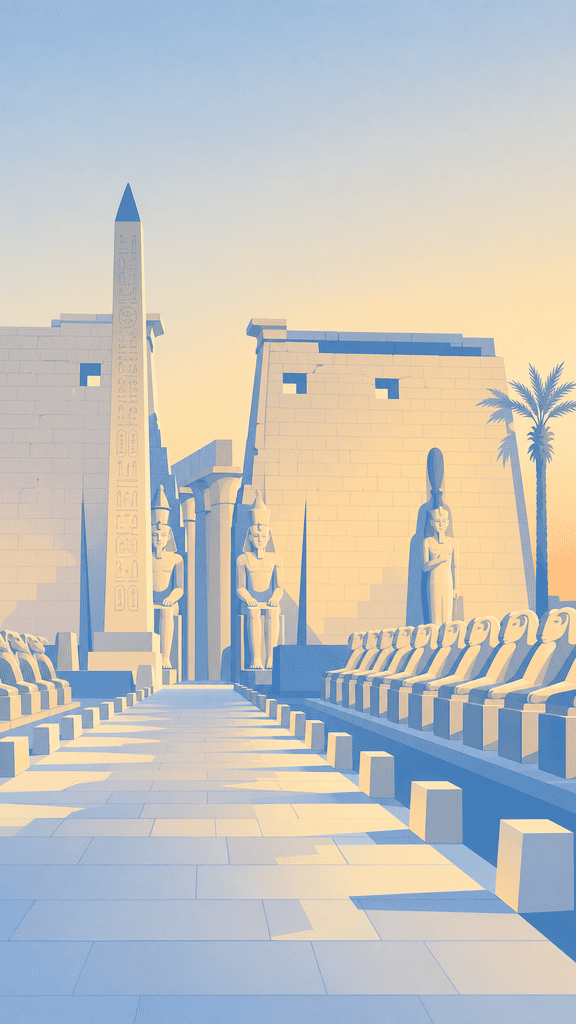
1. Temple of Amon
The Temple of Amun in Luxor is a major archaeological site that offers a chance to discover the religious architecture of ancient Egypt in a spectacular setting. As you explore its remains, you will see towering columns, monumental courtyards, walls covered with reliefs, and traces of former sanctuaries dedicated to the cult of Amun. The site creates a striking atmosphere, with carved stone and impressive perspectives, ideal for understanding the importance of religion and power in Egyptian civilization. It is a must-see visit for history and heritage enthusiasts.
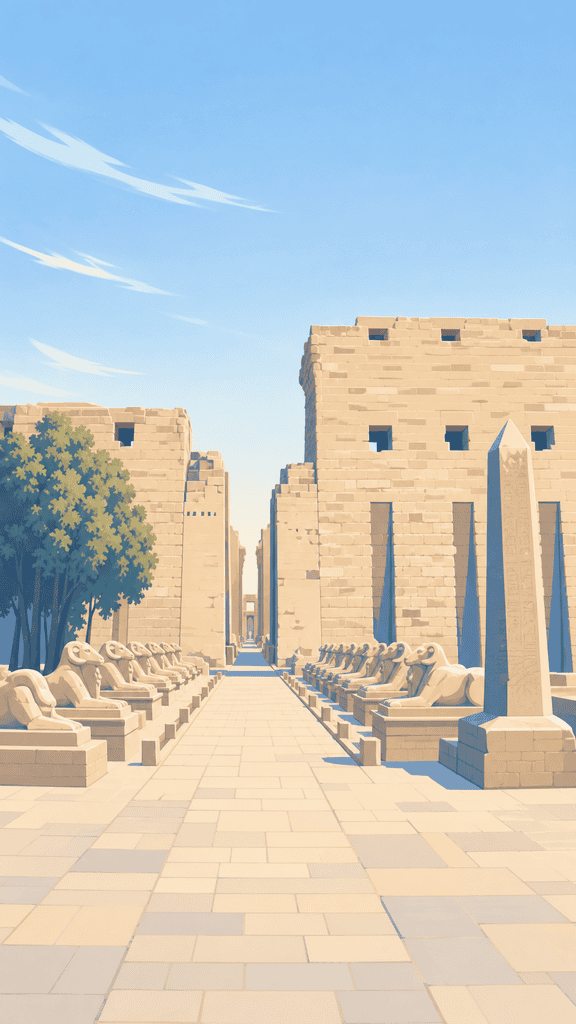
2. Karnak
Karnak, in Luxor, is one of the largest religious complexes of ancient Egypt and a must-see visit to understand the grandeur of Thebes. The site lets you discover impressive temples, monumental pylons, colonnades, statues, and sacred courtyards, at the heart of a vast archaeological complex. As you walk through its pathways, you can admire ancient Egyptian architecture in all its power, with reliefs, inscriptions, and remains that bear witness to a long religious and royal past. It is a major historic site, both fascinating in scale and rich in detail.
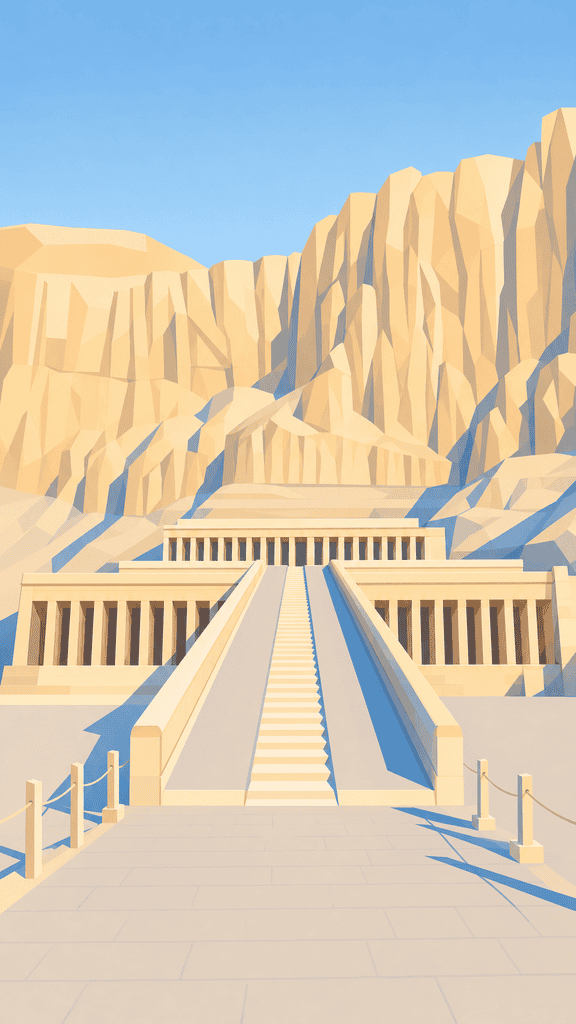
3. Hatshepsut’s Mortuary Temple
The Mortuary Temple of Hatshepsut in Luxor is one of the most impressive sites on the west bank of the Nile. Set against the cliffs of Deir el-Bahari, this terraced monument stands out for its monumental architecture and long colonnades. As you explore it, you will discover open courtyards, ramps, sanctuaries, and reliefs that bear witness to ancient Egyptian art. The site also offers superb views over the surrounding desert landscape, making it a must-visit for understanding the grandeur of Thebes’ historic sites.

4. Valley of the Kings
Located near Luxor, the Valley of the Kings is one of Egypt’s most famous archaeological sites. Nestled in a desert landscape, it is home to the rock-cut tombs of many pharaohs and high officials of ancient Egypt. Visiting this site reveals funerary corridors, chambers decorated with reliefs and ancient paintings, as well as a fascinating glimpse into the beliefs surrounding the afterlife. The site is impressive both for its setting and for the richness of its historical heritage.
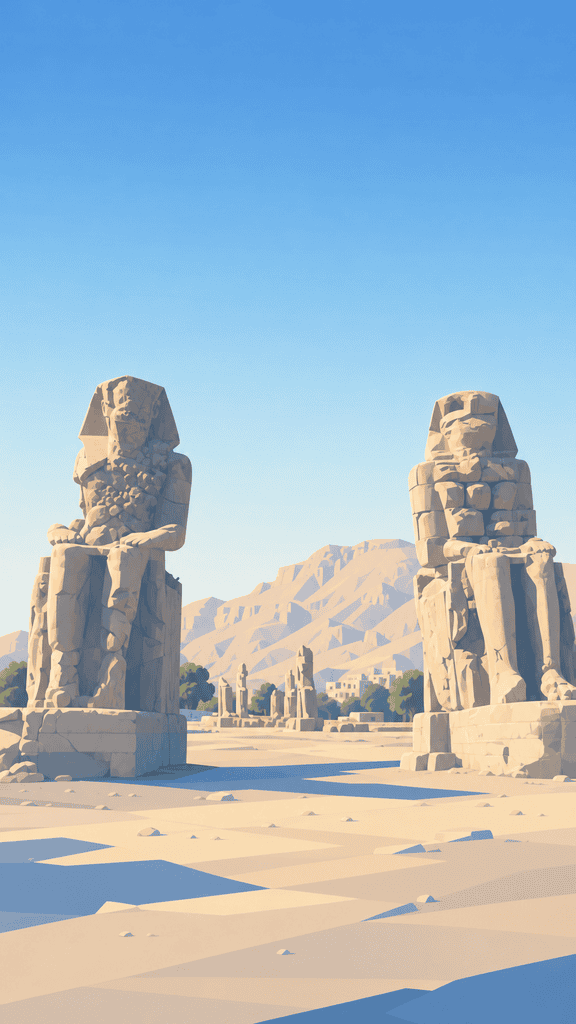
5. Colossi of Memnon
The Colossi of Memnon, in Luxor, are impressive with their two monumental stone statues that guard the entrance to the archaeological site on the west bank of the Nile. These seated figures, heavily worn by time, still attract visitors with their size, their solemn presence, and the panorama of the surrounding ruins. Here, you can discover a major testament to ancient Egypt, in an open setting where you can closely observe the scale of Theban heritage and the unique atmosphere of the monuments in the Luxor necropolis.
6. Luxor Museum
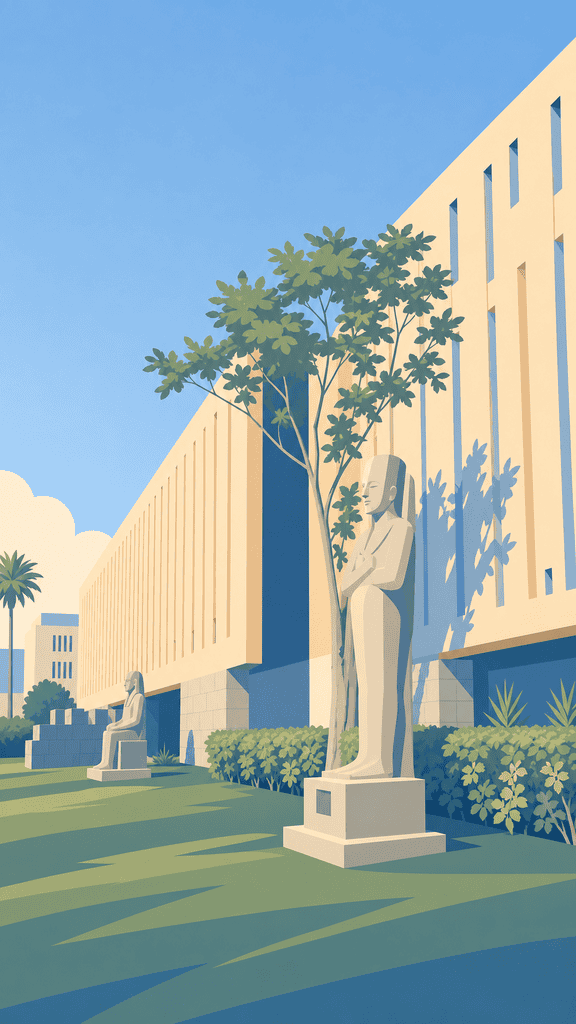
The Luxor Museum is one of the city’s must-visit cultural sites for discovering the richness of ancient Egypt in a bright and pleasant setting. Located on the banks of the Nile, it features a fine collection of archaeological artifacts from the Theban region, including statues, reliefs, stelae, jewelry, and funerary objects. The museum layout highlights the refinement of the works and helps visitors better understand the religious, artistic, and everyday life of ancient Egypt. It is an ideal visit to complement a tour of Luxor’s temples and necropolises.
7. Luxor Airport
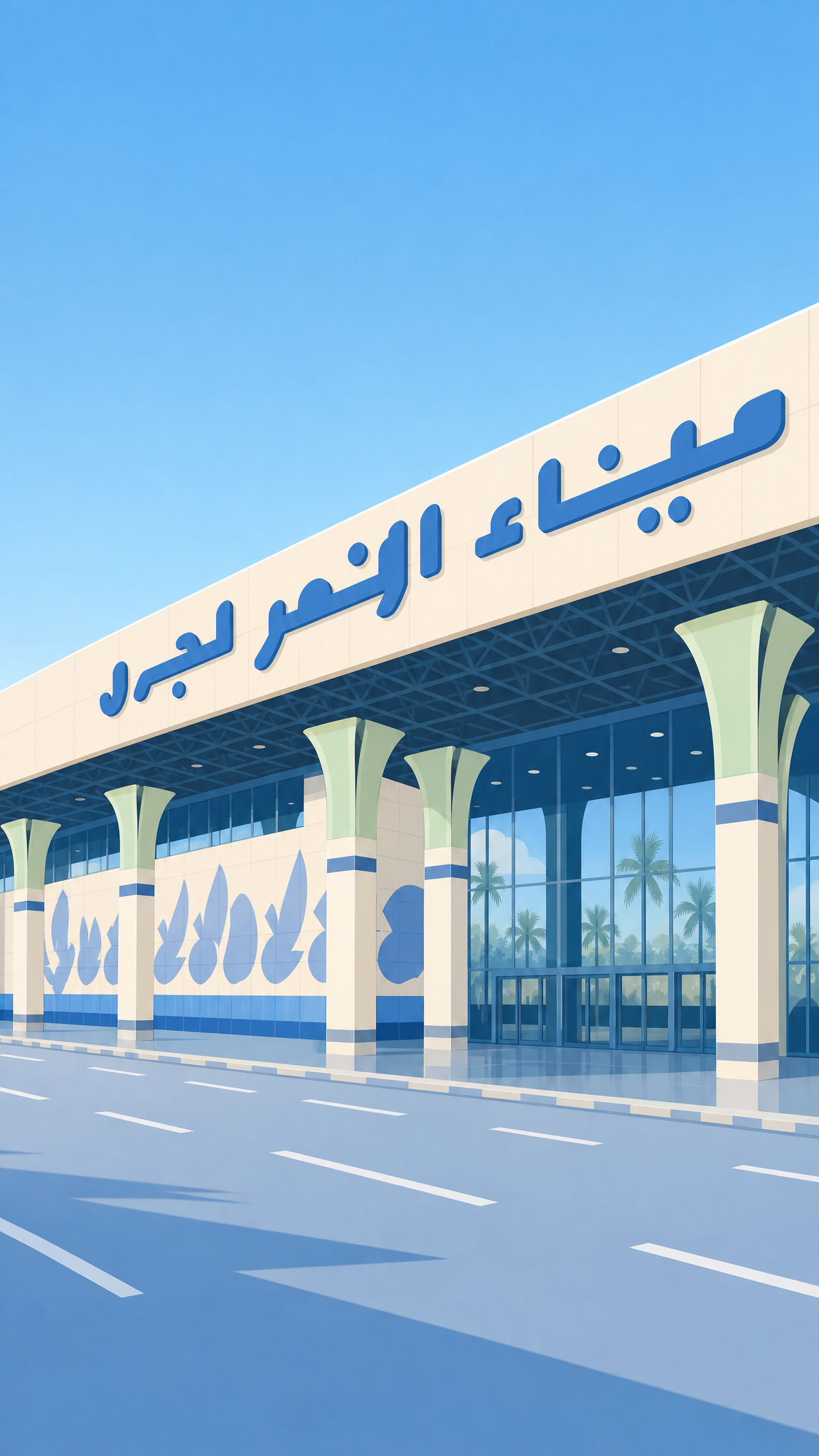
Luxor Airport is the city’s main air gateway, ideally located for quick access to the Nile and the region’s major archaeological sites. This international airport welcomes travelers from Egypt and abroad, with practical facilities for arrivals, departures, and connections. It is a modern, functional stop that makes it easy to reach Luxor, famous for its ancient heritage. For many visitors, this is where a trip among temples, tombs, and the landscapes of southern Egypt begins.

8. Valley of the Queens
Located on the west bank of Luxor, the Valley of the Queens is a major archaeological site of ancient Egypt, famous for its rock-cut tombs. As you explore this peaceful place in the Theban Desert, you will discover burial chambers decorated with paintings and reliefs, showcasing the skill of the craftsmen and the funerary beliefs of the time. Less visited than the Valley of the Kings, it offers a quieter but just as fascinating visit, set in the heart of an impressive, history-rich desert landscape.
9. Museum of Mummification
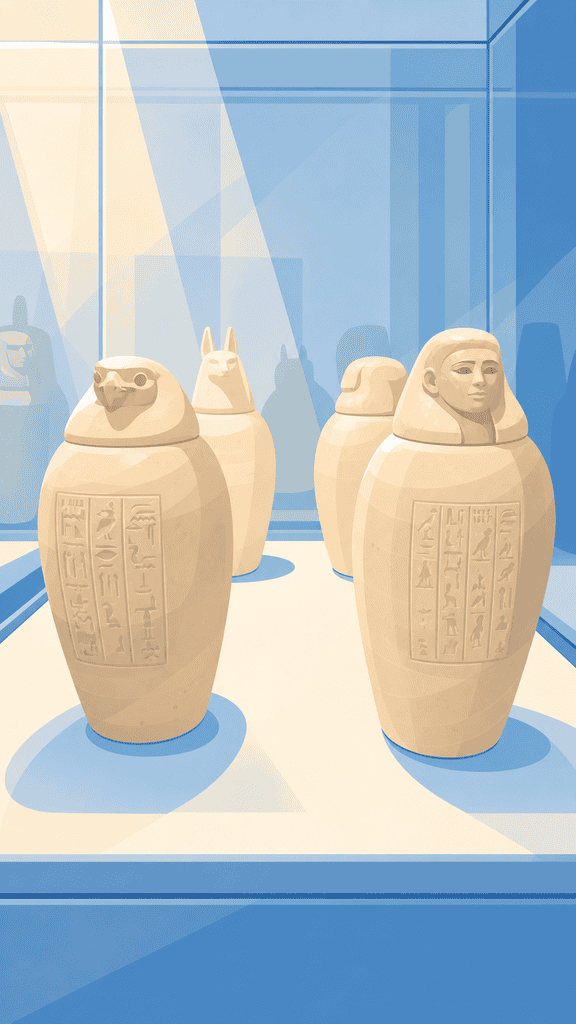
The Mummification Museum in Luxor offers a clear, educational introduction to the funerary art of Ancient Egypt. Visitors can discover human and animal mummies, as well as objects related to the body-preservation rituals, such as tools, containers, amulets, and elements used to present the deceased. The explanations help visitors better understand the techniques used, the role of religious beliefs, and the importance of the afterlife in Pharaonic civilization. It is an original visit that perfectly complements a tour of Luxor’s major sites.
10. Luxor Fruit and Vegetable Market
Luxor Fruit and Vegetable Market is a lively produce market where you can experience everyday life in Luxor through its colorful stalls. Fresh fruit and vegetables, aromatic herbs, and sometimes spices and other daily goods are sold in a local, bustling atmosphere. It is a great place to watch residents interact, enjoy the scent of fresh produce, and discover an authentic side of the city away from the major ancient sites. Ideal for a simple, off-the-beaten-path stop in the heart of Luxor.
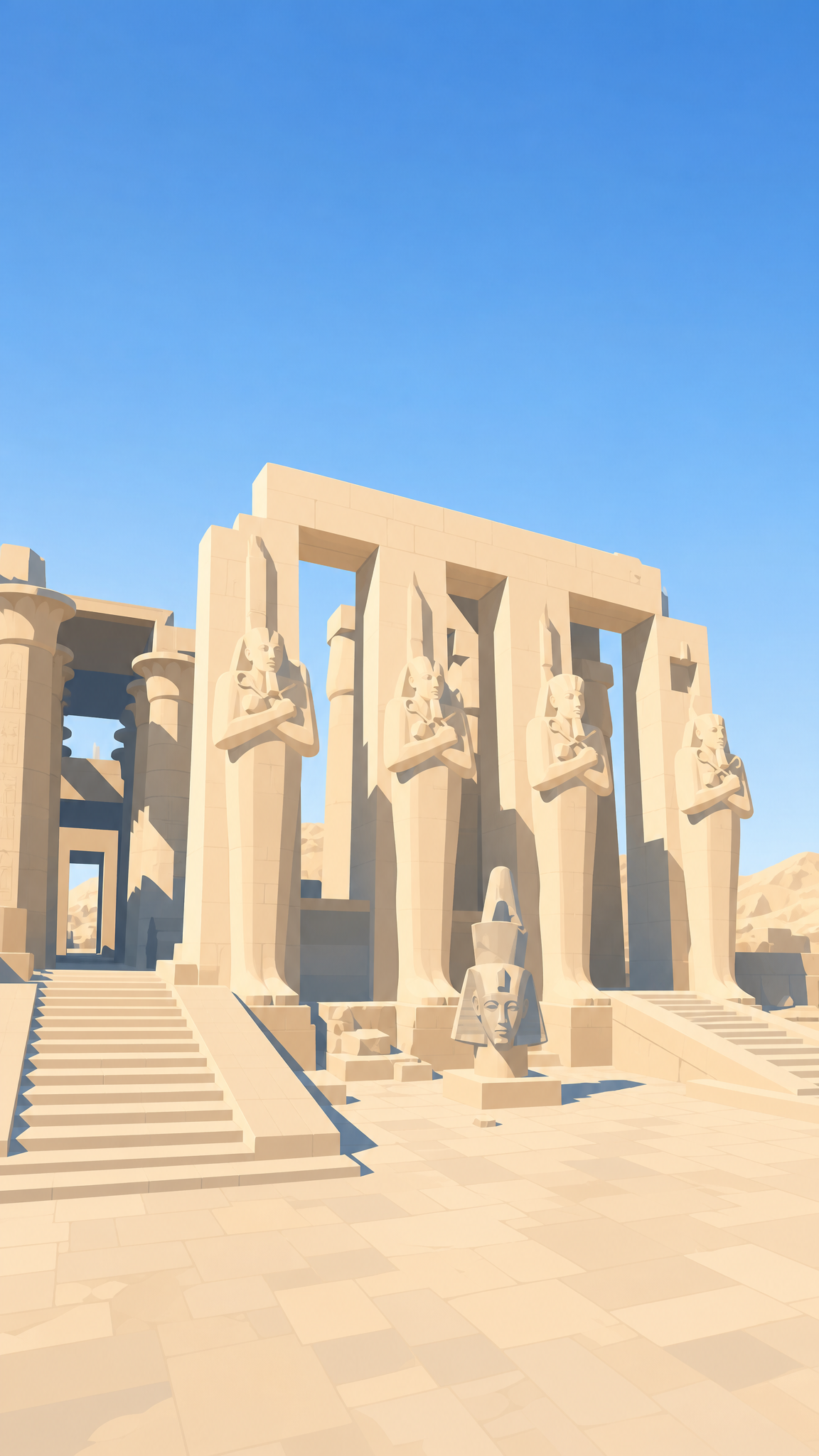
11. Ramesseum
The Ramesseum is one of the major monuments on Luxor’s west bank, known as the mortuary temple of Ramesses II. In this vast ruined complex, visitors can still trace the layout of a royal sanctuary with courtyards, colonnades, sculpted walls, and monumental remains. The site offers a vivid look at the religious and commemorative role of pharaonic architecture, while also revealing the power of the Theban temples. Its location in the necropolis adds to its archaeological and historical importance.
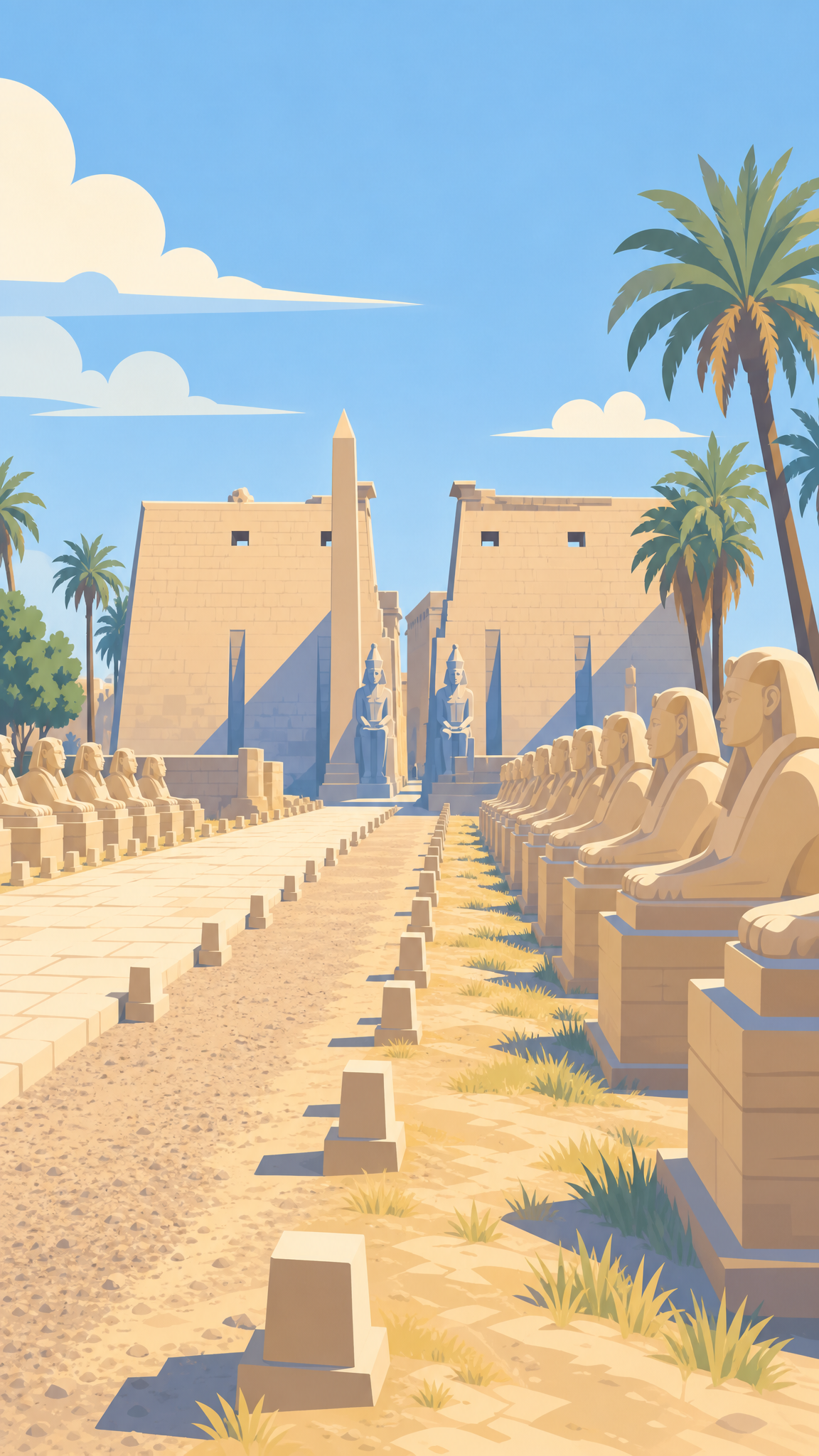
12. Avenue of the Sphinxes
The Avenue of the Sphinxes offers a remarkable view of the sacred axis that once linked the Temple of Karnak and the Temple of Luxor. Walking along this route, visitors discover a series of aligned statues that once framed religious processions. The site reveals the monumental layout of ancient Thebes and the central role of the great sanctuaries in Luxor’s ritual life. Its position between two major landmarks gives this unique archaeological landscape its full impact.

Antony M
During my travels, I looked for guides who spoke my language. This search turned out to be long and tedious. That is why I created MYTOGU (My Tourist Guide): a matching site between tourists and professional tourist guides.
